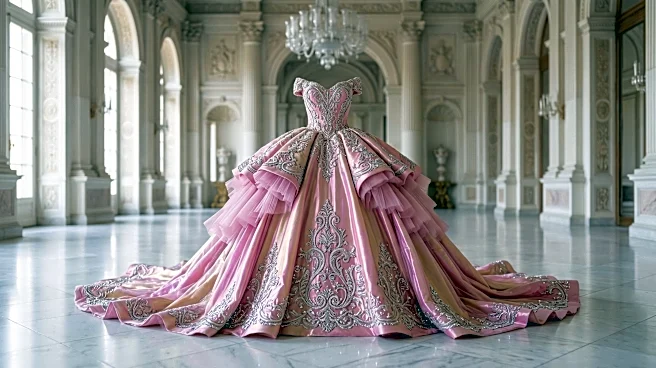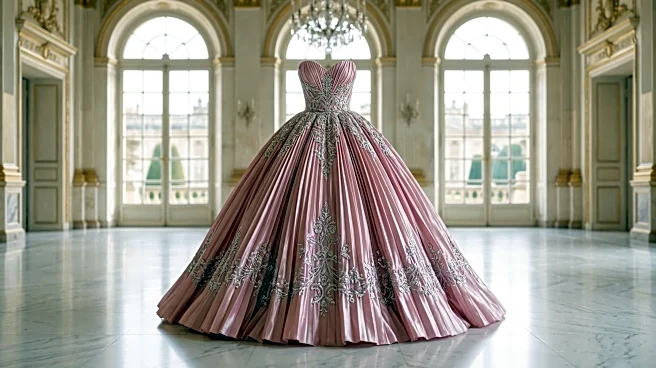




In the world of Oz, no one is more beloved than Glinda the Good. But beneath the bubblegum-pink exterior and dazzling smile lies a complex figure whose obsession with public image makes her one of 'Wicked’s' most fascinating and modern characters.
The Currency of 'Popular'
From
her first entrance at Shiz University, it's clear that Galinda (her name before a rebrand) values one thing above all else: popularity. To her, being liked isn't just a preference; it's a worldview and a survival strategy. In a memorable line, she argues that celebrated leaders weren't necessarily smart, but they were popular. This belief is the engine of her ambition. Initially, this manifests as a shallow, self-absorbed desire to be the center of attention. She is the queen bee, dismissive of her green-skinned roommate, Elphaba, precisely because Elphaba is an outcast. But this obsession with perception is also what makes her uniquely equipped for the political landscape of Oz. She instinctively understands that power doesn't just come from magical ability or intellect, but from commanding public affection and controlling the narrative.
The Spin Doctor of Oz
Glinda’s true transformation begins when she aligns herself with the Wizard of Oz. Faced with a choice between joining Elphaba’s rebellion against a corrupt regime and securing a position of influence, Glinda chooses influence. She becomes the public face of the Wizard's administration—essentially, his chief communications officer. Her job is to sell the government’s story to the people of Oz, and a key part of that story involves demonizing her former friend. The regime systematically spreads propaganda to scapegoat minority groups like the Animals and unite the public against a common enemy: the 'Wicked Witch of the West'. Glinda, with her unimpeachable public trust and charismatic appeal, is the perfect person to deliver this message. She may feel conflicted, but she leverages her 'goodness' as a brand to legitimize a lie, proving that a charming smile can be a more effective political tool than any law or army.
The Ambiguity of 'Goodness'
What makes Glinda so compelling is that she isn't purely a villain. She is capable of empathy and growth, largely spurred by her genuine, if complicated, friendship with Elphaba. Her decision to change her name to 'Glinda' is an early act of solidarity, even if it's somewhat performative. She is constantly caught between her conscience and her ambition. In the song 'Thank Goodness', she reflects on the emptiness of getting everything you ever wanted, realizing that her public success has come at a great personal cost. This internal conflict is the heart of her character. She ultimately does use her power for good by ousting the Wizard, but only after a long journey of compromise and complicity. Her story challenges the audience to question what it truly means to be 'good'. Is it about intention, or impact? Is it better to be a flawed person working within a corrupt system, or a righteous outcast with no power to enact change?
A Mirror to Modern Influence
Glinda's story feels more relevant today than ever. In an age of social media, personal branding, and political spin, her journey is a powerful allegory for the pressures of maintaining a public persona. She is the original influencer, carefully curating her image to maintain her status and sway public opinion. Her struggle reflects a very modern anxiety: the gap between our authentic selves and the polished versions we present to the world. The narrative of 'Wicked' serves as a commentary on how easily truth can be distorted and how public figures can manipulate narratives to maintain authority. Glinda’s character holds a mirror to our own society, where appearances are often valued more than substance and where the line between hero and villain is often just a matter of good public relations.