





The September Bottleneck
Every fall, the entertainment world collectively decides to release everything, all at once. This isn't a coincidence; it's a pile-up caused by several industry forces colliding. The month marks the unofficial end of the summer movie season, pushing audiences
back indoors and toward their television screens. It's also the very beginning of the eligibility window for next year's Emmy Awards, prompting studios to launch their prestige hopefuls early to build buzz. For streamers, it's a critical moment to capture subscriber attention before the holiday season. The result is a flood of new content, with major services like Netflix, Apple TV+, and HBO all dropping high-profile series within weeks of each other. This September is no exception, with premieres like Apple TV+'s "Brothers" and season six of "Slow Horses," and Netflix's "Monster: The Lizzie Borden Story" all vying for eyeballs.
The Old Guard Strikes Back
Streaming services aren't just fighting each other; they're fighting a decades-old tradition: the broadcast television fall season. While streaming is a year-round business, legacy networks like CBS, NBC, ABC, and Fox still concentrate their firepower in the fall. Starting in late September, these networks unleash a slate of returning heavyweights and new series. This year, NBC is launching season 30 of "The Voice" on September 21, and CBS is rolling out its premiere week in early October with franchise tentpoles like "NCIS" and its new spinoff, "NCIS: New York." These shows, often dismissed by coastal critics, still command massive, loyal audiences in much of the country, pulling millions of viewers away from the streaming ecosystem with reliable, weekly appointment viewing.
The Unmovable Object: Live Sports
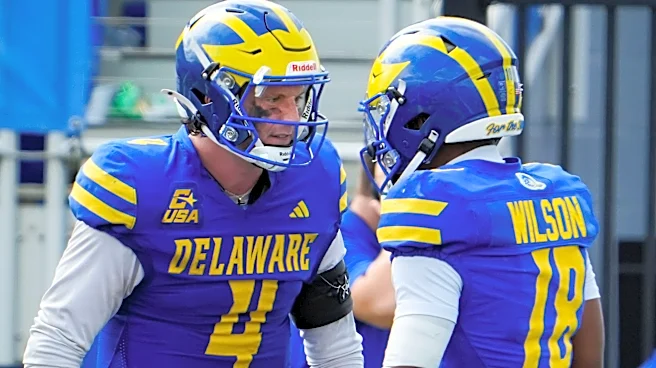
There is no greater force in American television from September to February than the National Football League. The 2026 NFL season kicked off on September 9, immediately reclaiming a massive share of the viewing audience. Pro football dominates Thursdays, Sundays, and Mondays, creating black holes for any scripted series daring to compete directly. It's not just the game time itself; it's the entire culture of sports talk, fantasy leagues, and highlight shows that consumes attention. A show that premieres on a Sunday night in September isn't just competing with other series; it's competing with a marquee NFL matchup, a cultural event that millions prioritize above all else. That’s a battle very few shows, no matter how good, can expect to win.
The Viewer Fatigue Factor
Ultimately, the biggest competition problem is the audience's finite attention span. With so many services, each demanding a subscription fee and dropping multiple shows, viewers are becoming more strategic and, frankly, exhausted. Studies show that while households subscribe to multiple services, they tend to have a single "default" service they turn to first. Becoming that default is the new holy grail for streamers. But when every platform launches its best new thing in the same 30-day window, it creates a paradox of choice. Instead of sampling everything, viewers are more likely to stick with what they know or choose one or two buzzy shows, letting the rest pass by. This market saturation means that a great, compelling series can premiere in September and simply vanish, a victim not of its own quality, but of a calendar that has become too crowded for its own good.