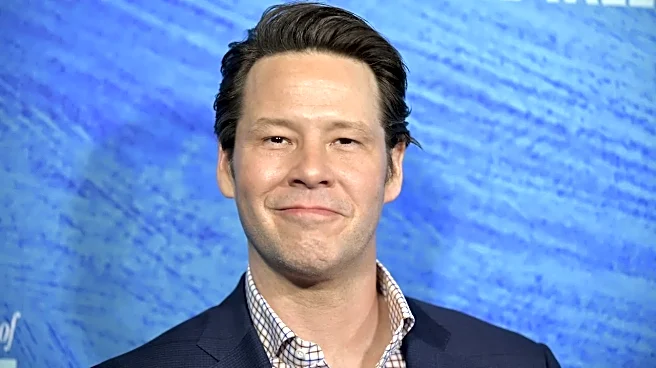




The dread of the Thanksgiving political argument is a modern American tradition. But one film, Ike Barinholtz’s 2018 dark comedy 'The Oath,' took that anxiety and turned it into a full-blown hostage crisis, creating a perfect metaphor for our times.
A Holiday and a Litmus Test
The
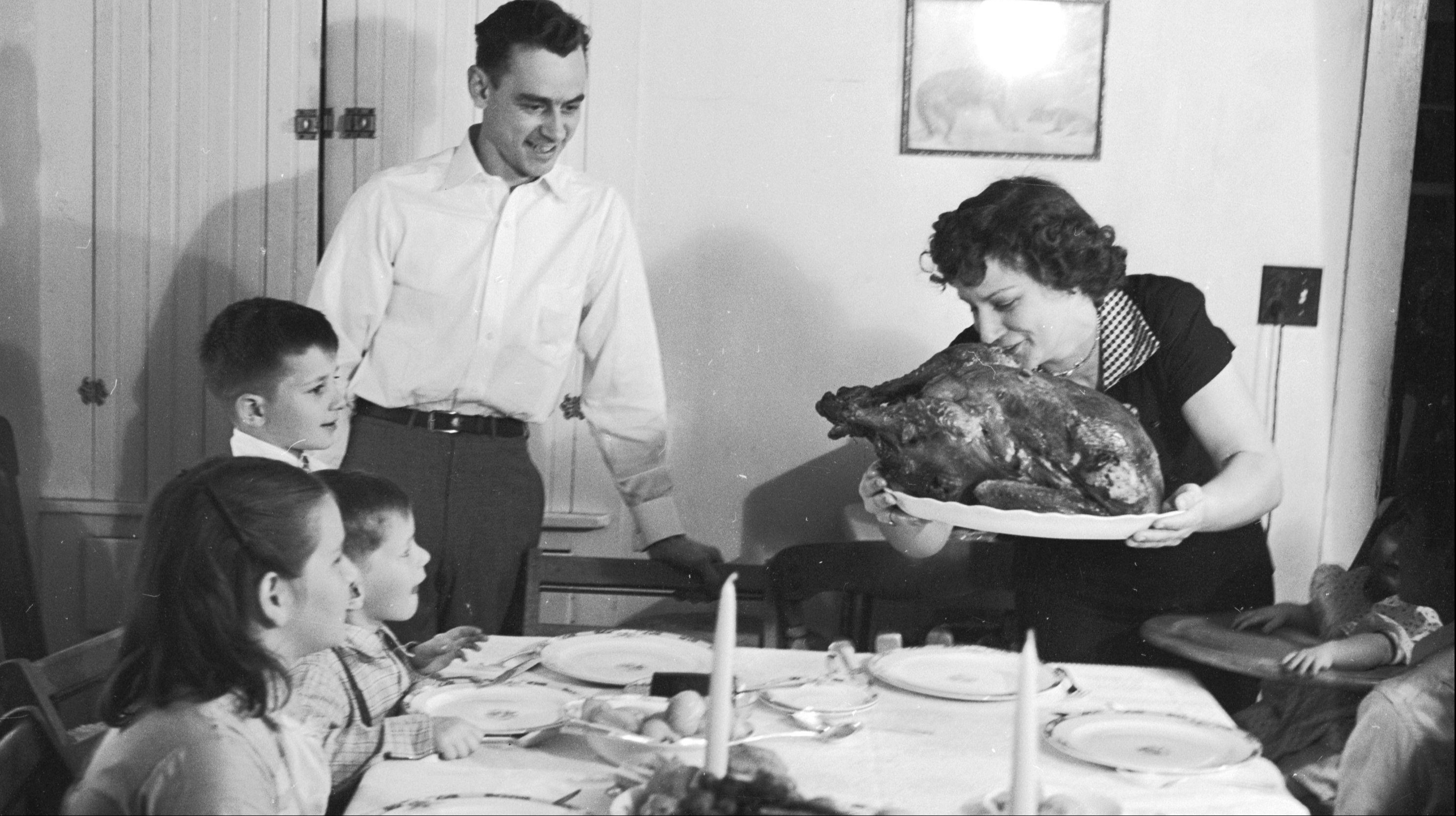
premise of 'The Oath' is simple and terrifyingly plausible. In a near-future America, the government asks its citizens to sign a 'Patriot's Oath' pledging loyalty to the President by Black Friday. Signing is optional, but strongly encouraged with tax breaks and social approval. The story centers on Chris (Ike Barinholtz), a progressive news junkie horrified by the oath, and his wife Kai (Tiffany Haddish), who just wants to survive the holiday. Their home becomes the setting for a tense Thanksgiving dinner with family members who have already signed, including Chris's conservative-leaning brother (played by real-life brother Jon Barinholtz) and his girlfriend. The film masterfully uses the holiday, a time meant for unity, as the deadline for a national loyalty test, turning turkey and stuffing into a political minefield.
The Pressure Cooker of Family
What makes 'The Oath' so potent is its understanding that family gatherings are the ultimate pressure cooker. Barinholtz, who wrote and directed the film, was inspired by a real-life argument he had with his own family after the 2016 election, even though they had all voted for the same candidate. The film captures the unique pain of political disagreement with people you love. Chris’s refusal to sign the oath isn't just a political stance; it’s seen as an indictment of his family members who did. His relatives, in turn, view his outrage as sanctimonious and disruptive. Every conversation is layered with years of unspoken history and grievances, making the political personal. The 'trap' of the title isn't just the oath itself, but the impossible choice between maintaining family peace and standing by one's principles in a room full of people you’re supposed to love unconditionally.
When Satire Becomes Reality
The film’s first half is an uncomfortably familiar cringe comedy of passive-aggressive comments and failed attempts to 'not talk about politics'. But it pivots into a dark thriller when two government agents from the 'Citizens Protection Unit' arrive to question Chris. This is where the movie’s allegorical power sharpens. The vague, menacing authority of the agents reflects the real-world fear of how political divisions can invite state overreach into our private lives. The arguments are no longer theoretical; they have manifested as a physical threat in the living room. The home, once a sanctuary, becomes a claustrophobic cage where the family is trapped with their political demons and two armed men. It’s an exaggeration, but one that speaks to a genuine anxiety in a country where political animosity feels increasingly hostile.
The Real Domestic Trap
Years after its release, 'The Oath' feels less like a wild satire and more like a documentary of our collective feelings. Research has shown that political polarization has tangibly impacted family gatherings, with one study finding that cross-partisan Thanksgiving dinners shortened by an average of 30 to 50 minutes after the 2016 election. The film resonates because it understands the emotional core of this divide. The true 'domestic trap' isn't that we disagree on politics. It's the expectation that these deep, identity-level disagreements can be solved, or should even be engaged, over a single holiday meal. The film’s protagonist, Chris, is just as much a part of the problem, addicted to his own outrage and unable to let go. He falls into the trap of believing the dinner table is a battlefield he must win, rather than a space to navigate with caution and, perhaps, a bit of grace.