





More Than Just a Filter
Forget what you do on Instagram. Professional color grading isn’t about slapping on a pre-set filter; it's a meticulous post-production process helmed by a specialist called a colorist. Working closely with the director and cinematographer, the colorist’s
job is twofold. First comes color correction: ensuring consistency across shots filmed at different times or with different cameras, fixing exposure, and balancing white levels so nothing looks out of place. Then comes the creative part: the grade. This is where the colorist paints with light and shadow to establish the show's signature look, turning raw footage into a specific mood. It’s the difference between a video and a cinematic experience.
Building Worlds with a Palette
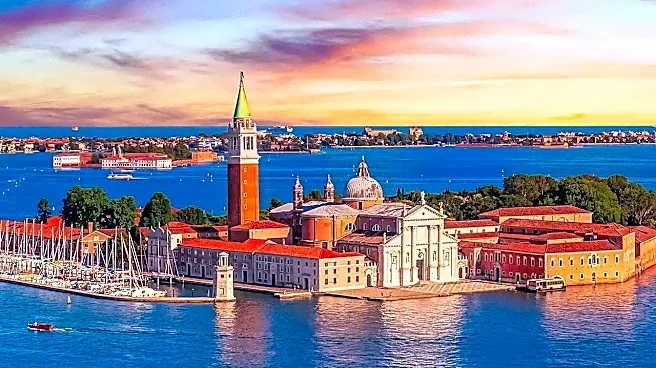
The most memorable shows have a distinct visual identity, and that identity is often born in the color grading suite. Think about the bleak, desaturated world of a dystopian thriller versus the warm, golden-hour glow of a nostalgic family drama. Those choices are deliberate. This year's Emmy contenders offer a masterclass in world-building through color. Consider the look of a show like “Fallout,” which has to balance the crisp, retro-futuristic sheen of the vaults with the harsh, sun-bleached yellows of the post-apocalyptic wasteland. Or take a period epic like “Shōgun,” which uses a restrained, painterly palette to evoke the texture of historical Japanese artwork, avoiding a sharp, modern digital feel. This visual language tells you where you are before a single line of dialogue is spoken.
The Subtle Psychology of Hue
Colorists are, in a way, emotional manipulators. They use the psychological power of color to guide the audience’s feelings, often on a subconscious level. Cool blue and green tones can create a sense of unease, isolation, or sterility, perfect for a sci-fi series or a tense crime drama. Conversely, warm reds, oranges, and yellows can amplify feelings of passion, comfort, or even danger, depending on their intensity and context. A character’s descent into despair might be mirrored by a gradual draining of color from their scenes, while a sudden flashback could be drenched in a hazy, saturated glow to signify a fond memory. It’s a powerful tool that deepens the narrative and reinforces character arcs without ever drawing too much attention to itself.
The Unsung Artists of Television
While actors, writers, and directors get most of the spotlight during awards season, the Creative Arts Emmys celebrate the immense technical and artistic talent working behind the scenes. Categories like Outstanding Cinematography, Production Design, and, implicitly, the work of colorists who finalize the image, are where television’s visual excellence is truly honored. These artists don't just capture images; they shape them, ensuring that every frame serves the story. Their work is a blend of high-level technical skill and pure artistic sensibility, transforming a collection of shots into a cohesive, immersive, and emotionally resonant world.