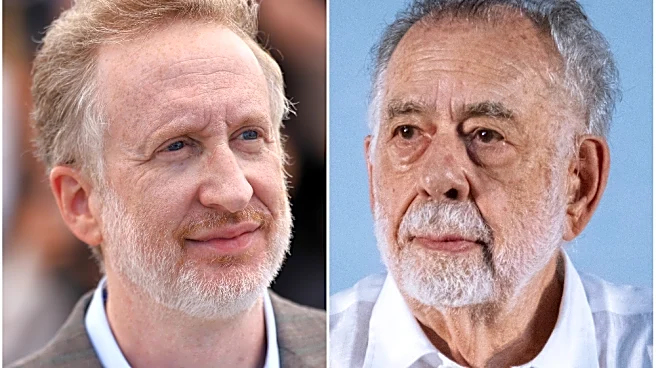






Francis Ford Coppola's 'The Godfather' is more than a film; it's a cultural touchstone that revolutionized the gangster genre. Its themes of family, power, and the dark side of the American dream continue to influence filmmakers today. If you can't get
enough of its world, here are four directors whose work carries its iconic legacy forward.
Martin Scorsese
Let's start with the most essential name on the list. If Coppola painted the portrait of the mafia as a tragic, operatic dynasty, Martin Scorsese captured the exhilarating and terrifying life of the gangsters on the street. His films are often character studies of men drawn to lives of crime, exploring themes of guilt, betrayal, and the elusive nature of redemption. While 'The Godfather' is about the burden of power, Scorsese's films like 'Goodfellas' and 'Casino' focus on the seduction of it—the thrilling rise and the violent, inevitable fall. His protagonists aren't reluctant heirs like Michael Corleone; they are men who actively choose the life and revel in it, at least for a while. With a kinetic, immersive style, Scorsese plunges you into the mindset of his characters, making him the perfect next step for any 'Godfather' fan.
Michael Mann
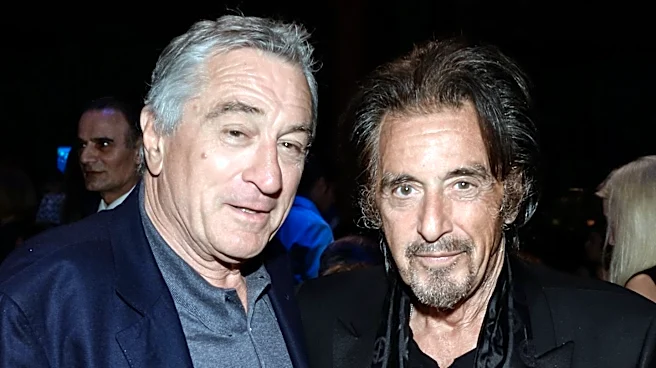
Where Coppola and Scorsese are often focused on the passionate, familial, and ethnic roots of their criminal enterprises, Michael Mann is obsessed with something else: professionalism. His characters, whether they are cops or criminals, are defined by their meticulous dedication to their craft. Films like 'Heat' and 'Thief' are less about family loyalty and more about the lonely, existential code of men who are the best at what they do. 'Heat' is famous for putting Al Pacino and Robert De Niro on opposite sides of the law, portraying them as two sides of the same coin—consummate professionals whose obsessions cost them their personal lives. Mann's sleek, atmospheric style and focus on the psychological duel between hunter and hunted offers a cooler, more methodical exploration of crime that complements 'The Godfather's' heated family drama.
James Gray
If any contemporary American director feels like a direct descendant of 1970s cinema, it's James Gray. His films, particularly 'The Yards' and 'We Own the Night,' are deeply indebted to the world Coppola created. Gray specializes in family dramas disguised as crime thrillers, set in the outer boroughs of New York. His stories are saturated with a sense of inescapable destiny, focusing on characters caught between loyalty to their family and the corrosive influence of their environment. Like 'The Godfather,' his work explores how family bonds can be both a source of strength and a fatal trap. In 'We Own the Night,' two brothers on opposite sides of the law find their lives colliding, forcing one to choose between his freewheeling lifestyle and the family he tried to leave behind, echoing Michael Corleone's tragic journey back into the fold.
Jacques Audiard
For a powerful international take on similar themes, turn to French director Jacques Audiard. His masterpiece, 'A Prophet,' is a gritty and stunningly realistic look at the rise of a young, powerless man within a brutal prison hierarchy. Like a modern-day Corleone saga set behind bars, the film follows Malik, an illiterate French-Arab teen who is forced to navigate the complex power dynamics between Corsican and Muslim gangs. He starts as a nobody, a pawn forced to commit a murder to survive, but he slowly and intelligently learns the rules of the game, absorbs knowledge, and builds his own empire. It's a gripping story about survival, education, and the transformation from victim to kingpin. Audiard's film proves that the core themes of 'The Godfather'—power, ambition, and the creation of a leader from an outsider—are truly universal.