



The Old Guard’s Throne
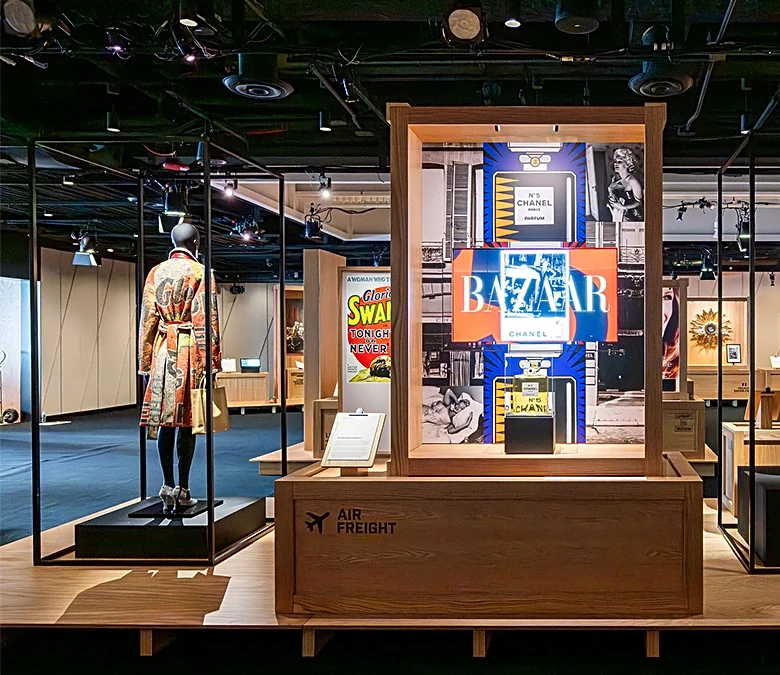
For decades, the front row was the fashion world’s ultimate power map. The seats were not for sale; they were earned, bestowed upon a select few whose influence was institutional. Think Anna Wintour, whose stoic presence could make or break a collection;
top-tier editors from Vogue and Harper’s Bazaar, whose reviews would set the industry narrative; and powerful buyers from Neiman Marcus or Saks Fifth Avenue, whose orders determined a brand’s commercial survival. A front-row seat was a confirmation of one’s place at the pinnacle of the industry. Its value was in prestige, in being part of a tiny, elite group of gatekeepers who dictated taste to the masses from on high.
The Rise of the Broadcasters
Then came the digital tsunami. Miami Swim Week, with its vibrant, visual, and inherently aspirational product, became the perfect petri dish for a new kind of front-row guest: the influencer. These were not industry insiders in the traditional sense. They weren’t editors writing for a glossy magazine that would publish weeks later. They were direct-to-consumer broadcasters with millions of followers hanging on their every post. Their currency wasn’t a storied masthead; it was a loyal, engaged audience. Brands quickly realized that while a mention in a magazine provided prestige, an influencer’s Instagram Story could trigger immediate website traffic and sales.
The New Front Row Currency: Reach
This is where the “economy” of the front row was completely rewritten. A seat is no longer just a status symbol; it's a line item in a marketing budget. The transaction is explicit. A brand might fly an influencer to Miami, put them up in a luxury hotel, and pay a hefty appearance fee. In return, the contract stipulates a precise set of “deliverables”: five Instagram Stories tagging the brand, one in-feed post featuring a runway look, and three TikToks from the event. The value is no longer abstract prestige but quantifiable metrics. PR firms now calculate the Earned Media Value (EMV) of an influencer’s post—a figure that represents what the brand would have paid for equivalent advertising space. A single influencer can generate tens of thousands of dollars in EMV from one show, a return on investment that is immediate, trackable, and undeniable.
A Content Studio, Not Just a Show
The very purpose of attending the show has changed. For many influencers, the runway is secondary; it’s a dynamic backdrop for their primary job: content creation. The front row has transformed into a high-stakes, open-air production studio. While the models walk, influencers are busy filming their reactions, taking selfies with the collection in the background, and creating “Get Ready With Me” videos before the show even starts. They aren’t there to critique the collection in a notebook. They are there to perform their aspirational lifestyle for their audience, with the brand’s swimwear as a key prop. This creates a blizzard of real-time buzz that traditional media, with its longer lead times, simply cannot match.
An Uneasy But Necessary Truce
This shift hasn’t been without friction. Seasoned editors and buyers often find themselves relegated to the second or third row, displaced by 22-year-old TikTok stars. There’s a palpable tension between the old guard, who value craftsmanship and industry context, and the new guard, who value virality and engagement. Yet, most brands have concluded they need both. They still covet a positive review on Vogue.com for institutional validation, but they need the influencer army for commercial velocity. The modern front row is a delicate, and often awkward, balancing act—a strategic mix of prestige press and high-reach creators, each serving a different but equally vital function in the modern fashion ecosystem.