


Nike: The Culture Shifter
You can't talk about athletic fashion without starting with Nike. More than just a sportswear giant, Nike is a cultural architect. The brand didn't just put air in its soles; it injected sports into the heart of streetwear. It all started with running
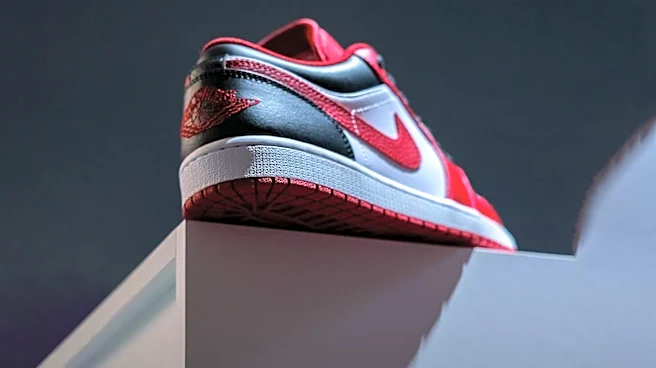
shoes like the Cortez and Waffle Racer, but the signing of Michael Jordan in 1984 changed everything. The Air Jordan line wasn't just a basketball shoe; it was a status symbol that birthed modern sneaker culture. Models like the Air Force 1, originally for basketball, became the unofficial uniform of hip-hop artists and city dwellers. Then came the Air Max, which made its cushioning technology a visible design element, blurring the lines between performance and aesthetics. Through savvy marketing and era-defining collaborations, Nike cemented its place not just in sports, but as a central pillar of global fashion.
Champion: The Understated Icon
Before it was a streetwear staple, Champion was a workhorse. Founded in 1919, the brand focused on durable athletic apparel for colleges and the military. Its most significant contribution is the Reverse Weave sweatshirt, a game-changing invention from the 1930s. By cutting the fabric horizontally, Champion created a sweatshirt that resisted vertical shrinkage, ensuring a consistent fit. They also added side gussets for better movement and patented the design. This humble, functional piece, along with the hoodie (which Champion also pioneered), was adopted by subcultures from 90s hip-hop to West Coast skaters, who valued its authenticity and durability. Its placement in the Museum of Modern Art's permanent collection confirms its status as a true design icon that went from the locker room to the runway.
Ralph Lauren: The Aspirational Standard
Ralph Lauren’s genius was in taking the rugged, functional DNA of sportswear and elevating it into an aspirational American dream. When he introduced the Polo shirt in 1972, he wasn't just selling a shirt; he was selling a lifestyle. While the collared shirt originated with sports like tennis and polo, Lauren’s version, available in a rainbow of colors and featuring the iconic Pony logo, turned it into a cornerstone of preppy style. He took the athletic and made it elegant, bridging the gap between the field and the country club. The brand later doubled down on its athletic roots with lines like Polo Sport in the 90s, which were embraced by street culture for their bold graphics and colors, proving Lauren's vision could resonate far beyond its Ivy League origins.
Tommy Hilfiger: The 90s Color-Block King
No brand captured the vibrant, logo-heavy aesthetic of the 1990s quite like Tommy Hilfiger. While rooted in classic American prep, Hilfiger remixed it with oversized fits and a bold red, white, and blue color palette that caught the eye of a new generation. The brand's explosion into the mainstream was fueled by its organic adoption within hip-hop culture. When Snoop Dogg wore a Tommy rugby shirt on Saturday Night Live in 1994, the item famously sold out the next day. Hilfiger leaned into this cultural moment, featuring artists like Aaliyah in campaigns and having rappers walk his runways. This fusion of preppy and street created a defining look for the decade, proving that sportswear could be the foundation for a full-blown cultural movement.
New Balance: The Un-Cool Cool
For decades, New Balance was the brand of dads and runners who prized comfort and quality over trends. Founded in 1906 as an arch support company, it built a reputation for well-made sneakers, often in multiple widths. Its most iconic models, like the 990 series, were understated, frequently gray, and proudly billed as a status symbol for those in the know. But in a remarkable turn, the brand’s refusal to chase hype became its greatest asset. As fashion swung toward normcore and retro aesthetics, the “dad shoe” suddenly became cool. Smart collaborations with tastemakers like Aimé Leon Dore and Joe Freshgoods amplified its appeal, but the brand never abandoned its core identity. It proved that authenticity and a commitment to quality could be the most powerful marketing of all.
Converse: The Timeless Rebel
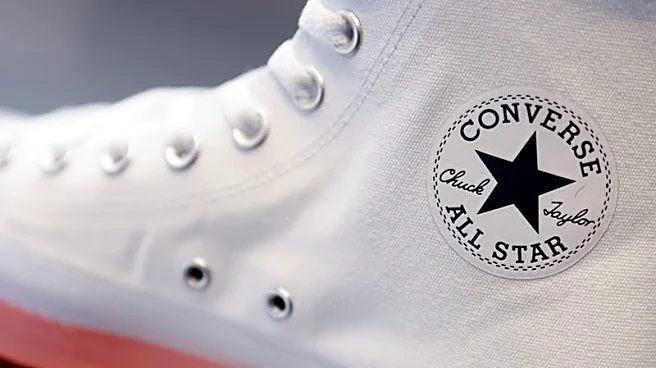
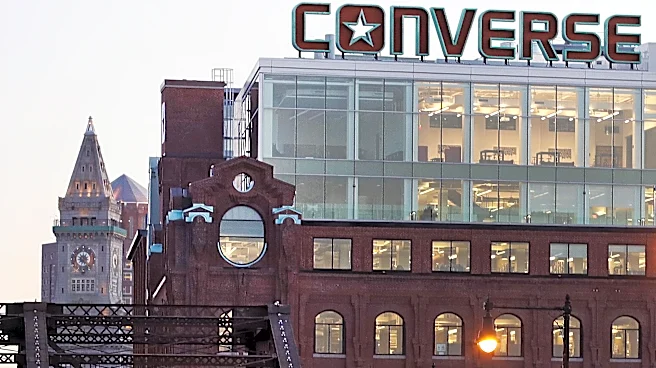
Before any of the others, there was Converse. The Chuck Taylor All Star, introduced in 1917 as a basketball shoe, is arguably the most timeless and versatile sneaker ever made. After dominating the courts for decades, by the 1970s and 80s it found a second life off the court. Its simple canvas design and affordable price made it a blank slate for self-expression. It became the unofficial footwear of rebels, artists, musicians, and misfits. From the punk rockers of the 70s to the grunge bands of the 90s, the Chuck Taylor was adopted by nearly every significant youth subculture without any prompting from the brand itself. Its journey from the hardwood to the mosh pit is the ultimate story of American sportswear becoming a symbol of authenticity.