







The Weight of a Superstar
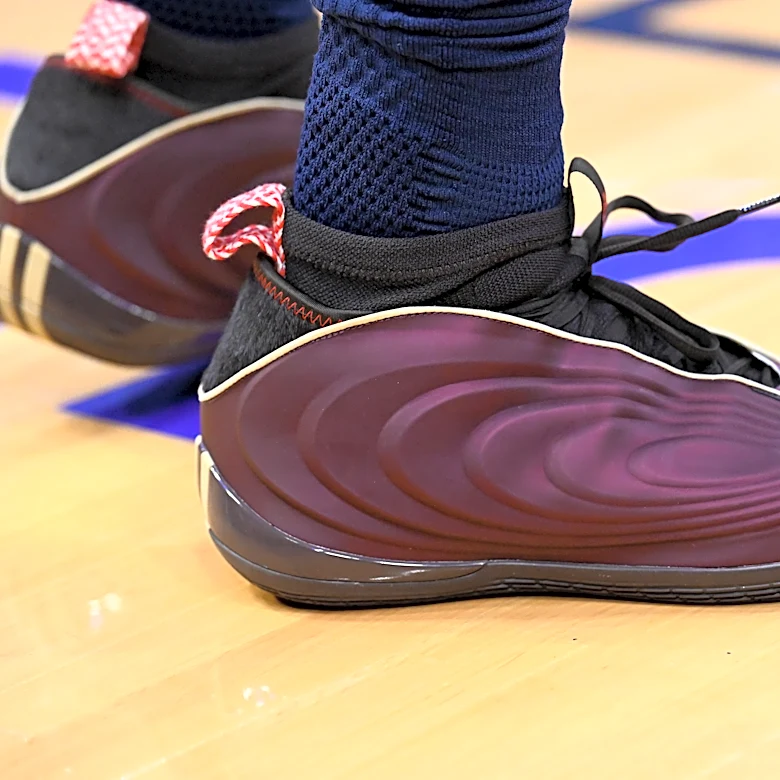
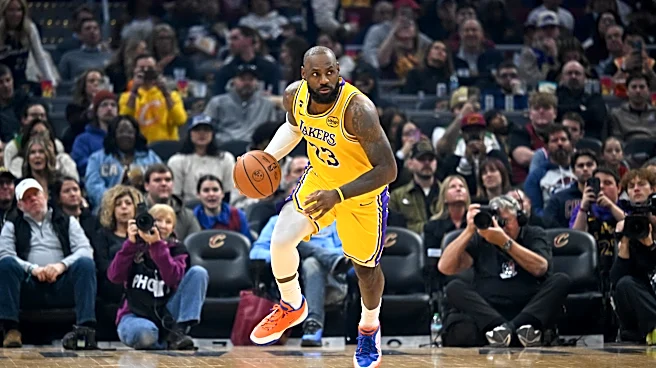
In the NBA, a single player can be the entire system. Think of LeBron James in the 2018 playoffs, Michael Jordan in any given Finals, or Nikola Jokić running the whole Nuggets offense. Because there are only five players on the court, one transcendent
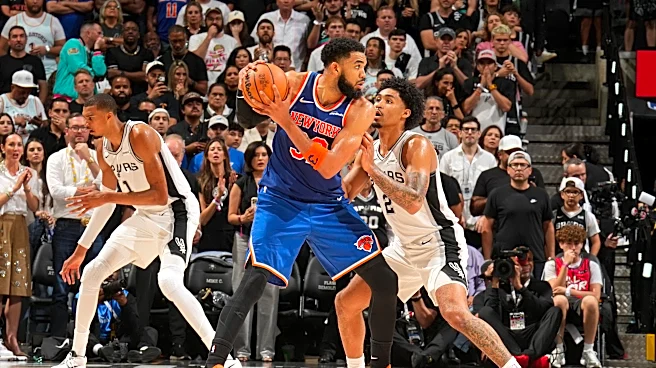
talent can control the ball, dictate the pace, and single-handedly account for 40-50% of their team's offensive output. A dominant NBA player can take over a game in a way that’s almost impossible in soccer. In soccer, even Lionel Messi or Cristiano Ronaldo, two of the greatest to ever play, are cogs in a much larger machine. With 11 players spread across a massive field, one person can’t dominate the ball for long stretches. A forward relies on service from midfielders, who rely on defenders to win the ball back. A brilliant solo run can change a game, but it’s a moment of magic within a broader tactical system. The best player on a soccer pitch might touch the ball a fraction of the time a point guard does. The sport’s structure inherently dilutes individual impact in favor of collective cohesion.
The Art of the Substitution
Here lies perhaps the biggest strategic chasm. An NBA coach has a revolving door of talent. Players can be subbed in and out at will for specific matchups, to get a breather, or to stop a run. A player can have a terrible first quarter, sit for a bit to reset, and come back to be the hero in the fourth. Substitutions are a constant, fluid tool used to manage energy and exploit momentary weaknesses. Soccer substitutions are permanent and precious. For most of the sport's history, teams were allowed only three changes per game (a rule recently relaxed to five in most leagues, but the principle holds). Once a player leaves the pitch, they cannot return. Every substitution is a high-stakes gamble. Is a player tired, or can they push through? Do you bring on an attacker to chase a goal and risk defensive stability? A manager has to make a handful of permanent decisions that will shape the final 30 minutes of a match, with no take-backs. It’s chess, not checkers.
Specialists vs. Swiss Army Knives
The era of “positionless basketball” highlights a key difference. While NBA players have primary roles (guard, forward, center), the modern game demands versatility. Big men need to be able to shoot, and guards need to be able to defend bigger players on switches. The five players on the floor are often interchangeable parts designed to create mismatches. Soccer’s Starting XI is a team of specialists. You have your center-backs, whose sole job is to prevent goals. You have your wingers, built for speed and crossing. You have your central midfielders, who act as the team’s engine and playmaker. And you have your striker, the designated goal-scorer. While versatility is valued, each position has a highly specific set of responsibilities. A team’s formation—like a 4-4-2 or 4-3-3—is a direct reflection of how these specialized roles will interact. The XI isn’t just a group of the best players; it's a carefully assembled puzzle of complementary skills.
Space, Pace, and System
A basketball court is 94 feet long. A soccer pitch can be up to 130 yards long. The sheer difference in scale changes everything. In basketball, the compressed space means help defense is always a step away, and offensive schemes are designed to create inches of separation. Every player is directly involved in almost every possession on both ends of the court. In soccer, space is the ultimate weapon. Players make long, lung-bursting runs into empty channels that might not even result in them touching the ball, purely to pull defenders out of position and create room for a teammate. A right-back might spend the entire game in a tactical battle with a left-winger on one side of the field, almost entirely disconnected from action happening on the opposite flank. The Starting XI has to operate as a cohesive unit across a vast area, maintaining its shape and discipline even when the ball is 70 yards away. This reliance on system over individual improvisation is a direct result of having 11 players to organize.