





First, What Exactly Is Selvedge?
At its simplest, “selvedge” is a corruption of the term “self-edge.” It refers to the tightly woven, self-finished edge of a piece of fabric that prevents it from unraveling. Unlike modern, mass-produced fabrics that are cut from wide bolts and have raw
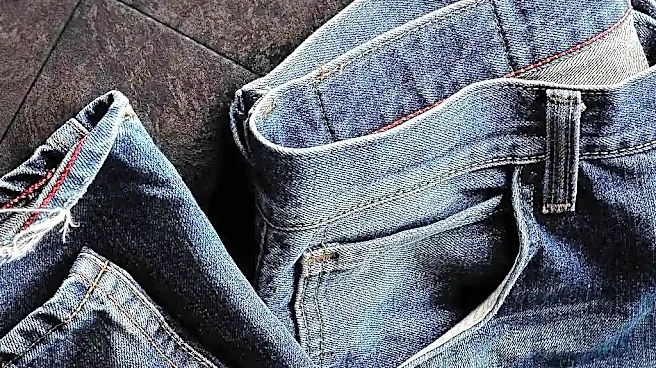
edges that fray, selvedge fabric is woven to a specific width with its edges already sealed. This clean edge is created directly on the loom as part of the weaving process itself. Think of it as the fabric having a built-in hem. This detail is most famously associated with high-quality denim, where the selvedge line is a badge of honor for enthusiasts. That little strip of red, white, or even rainbow-colored thread isn’t just for show; it’s a guarantee that the fabric was woven using a traditional, more deliberate method.
The Shuttle Loom's Enduring Legacy
To understand why selvedge matters, you have to go back in time to the looms. Selvedge fabric is made on old-fashioned shuttle looms. In this process, a single weft thread is passed back and forth across the warp threads via a boat-like device called a shuttle. At the end of each pass, the shuttle turns the thread around and sends it back the other way, creating a continuous, locked edge on both sides of the fabric. This method is slow and produces a much narrower bolt of cloth, typically around 30-36 inches wide. In the mid-20th century, the demand for denim skyrocketed, and manufacturers switched to faster, more efficient projectile looms. These modern looms shoot individual threads across the fabric at high speed, which are then cut at the edges, leaving them raw and prone to fraying. While projectile looms can produce wider fabric much faster, the slower, rhythmic process of a shuttle loom creates a denser, more character-rich weave that simply can’t be replicated.
Why You Pay a Premium for That Edge
The higher price tag on selvedge goods comes down to three factors: time, technology, and materials. Operating vintage shuttle looms is a slower, more meticulous process that yields less fabric per day. These machines are often decades old and require skilled artisans to operate and maintain. Furthermore, because the fabric is narrower, it takes more material to cut a pattern for something like a pair of jeans, resulting in more waste. The result, however, is a product of superior quality. The tight, dense weave makes selvedge denim incredibly durable. It also tends to be stiffer at first but breaks in over time, molding to the wearer’s body to create unique fade patterns and creases—a quality highly prized by denim aficionados. You're not just buying a piece of clothing; you're investing in a garment that will age beautifully and tell its own story.
Beyond the Blue Jean Cuff
While denim is selvedge's most famous application, the technique is a hallmark of quality across many types of textiles. Historically, it was used for everything from wool broadcloth for military uniforms to silk shawls. Today, you can find this mark of craftsmanship in a variety of modern goods. High-end chinos and trousers often feature a selvedge outseam, just like jeans. Heavy-duty canvas bags, aprons, and workwear jackets use selvedge fabric for its durability and clean finish. Even some premium shirting fabrics are woven on shuttle looms to create a selvedge edge. In any context, the presence of that self-finished edge tells you the same thing: the maker prioritized quality and durability over speed and volume. It’s a quiet nod to an older, more intentional way of making things.