



The Unbreakable Rules of Ascot
Before we can understand the McQueen magic, we must first understand the sartorial straitjacket of Royal Ascot’s Royal Enclosure. For ladies, this isn't just about looking nice; it's about compliance. Dresses and skirts must be of “modest length,” defined
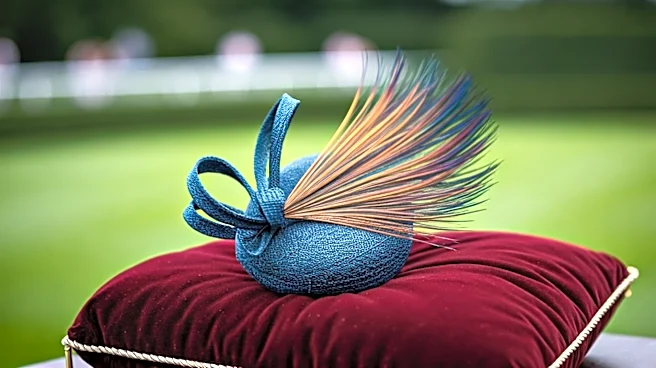
as falling just above the knee or longer. Straps on dresses and tops must be at least one inch wide. Strapless, off-the-shoulder, and halter styles are strictly forbidden. And, of course, a hat or a substantial headpiece is mandatory. These rules aren't suggestions; they are the rigid framework that has defined the event's formal aesthetic for centuries. For any designer, dressing a client for the Royal Enclosure is less a creative free-for-all and more a high-fashion puzzle box. The goal is to create something stunning that won't get your client turned away at the gates.
The Legacy of a Savile Row Rebel
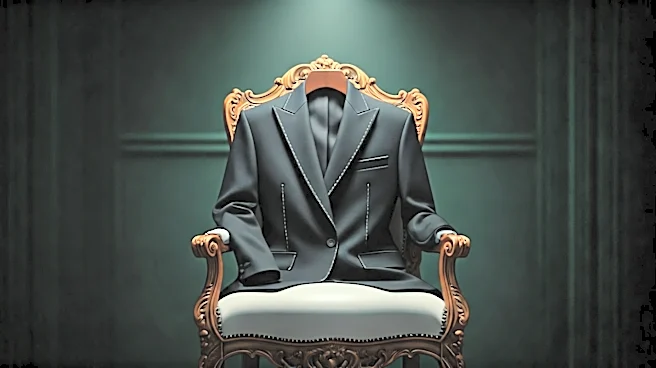
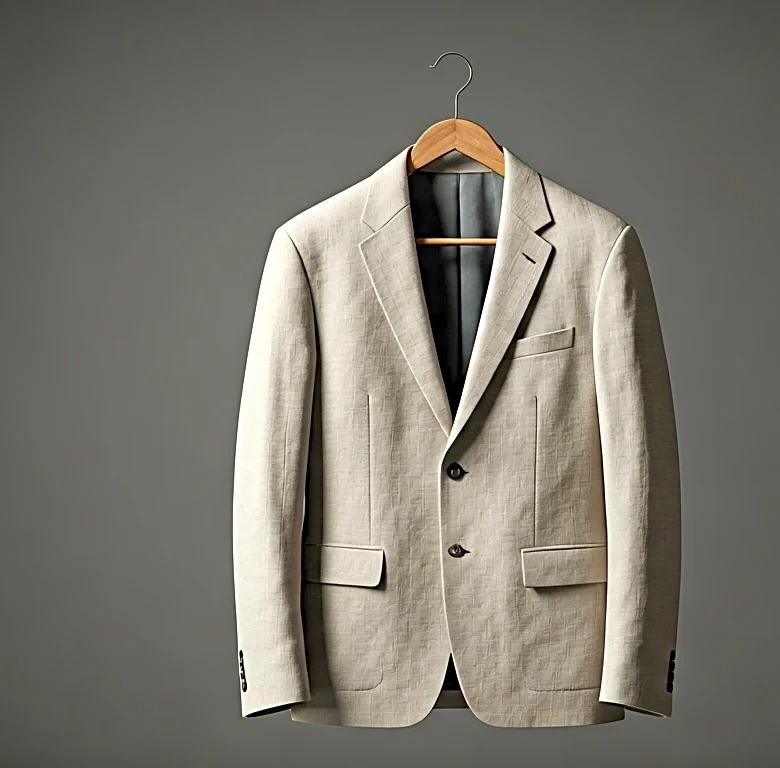
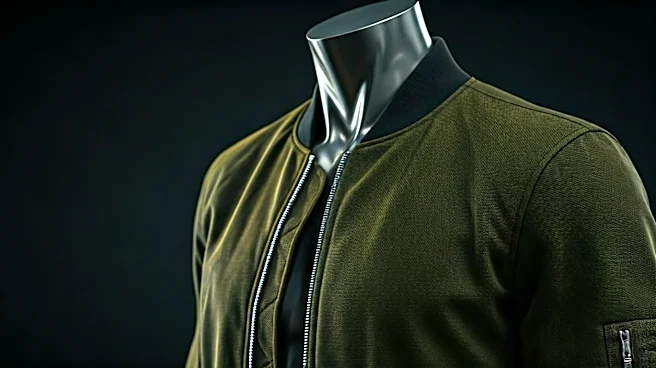
At first glance, Alexander McQueen seems like the antithesis of Ascot. Lee McQueen was a provocateur, a punk spirit with an encyclopedic knowledge of fashion history. His shows were dramatic, theatrical, and often confrontational. But beneath the spectacle was a foundation of unimpeachable skill. McQueen’s apprenticeship on London’s legendary Savile Row gave him a mastery of tailoring that became the brand’s enduring DNA. He understood how to cut a garment to empower the wearer, creating razor-sharp silhouettes, powerful shoulders, and impeccably nipped waists. This wasn’t just about making clothes; it was about armor. This combination of dark romance and structural perfection is what makes a McQueen piece instantly recognizable, whether it’s a runway masterpiece or a ready-to-wear coat.
Sarah Burton: Bridging Two Worlds
The brand’s successful transition from avant-garde outlier to royal favorite can be credited almost entirely to Sarah Burton, who took over as creative director after Lee McQueen's death in 2010. Burton understood the house's codes intimately, but she softened the edges, infusing the powerful tailoring with a lighter, more feminine, and often pastoral romance. Her genius was in translating the McQueen DNA for a new context without diluting its power. The watershed moment was, of course, Kate Middleton’s wedding dress in 2011. Burton created a gown that was both deeply traditional and unmistakably modern, a perfect symbol for the future of the monarchy. By proving she could master the ultimate establishment commission, Burton positioned McQueen as a house that could deliver impeccable propriety without sacrificing its soul.
The Perfect Ascot Uniform
This brings us back to Ascot. The McQueen coatdress has become something of a secret weapon for attendees like the Princess of Wales. It’s the perfect solution to the dress code puzzle. The silhouette is inherently structured and powerful. The sleeves and neckline easily meet the modesty requirements. The length is always appropriate. But it’s never boring. A McQueen coatdress at Ascot might feature intricate embroidery, a slightly exaggerated shoulder, a peplum waist, or a soft, romantic color palette—all details that nod to the brand's heritage while remaining perfectly suitable for the occasion. When the Princess of Wales wore a striking red McQueen ensemble with a matching floral fascinator to Ascot in 2023, it was a masterclass in this synergy. It was formal, respectful of the rules, and yet exuded a modern confidence that was pure McQueen. The house provides a way to look powerful and polished, ticking every box on the Ascot checklist while still making a subtle statement of sophisticated, contemporary style.