







The Fourth of July Cacophony
Imagine the media landscape around July 4th, 2026. It will be a sensory overload. Every brand, news outlet, and politician will be draped in red, white, and blue. National programming will feature enormous, star-studded events, like the planned concert
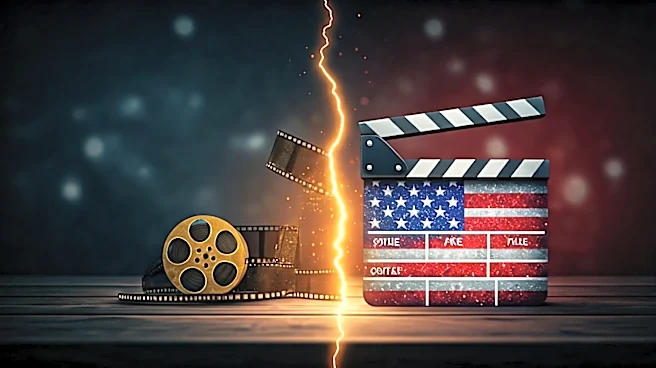
at the Los Angeles Memorial Coliseum and celebrations in every state. It’s a marketing traffic jam of epic proportions. For a film or series to cut through that noise, it needs to be the equivalent of the loudest firework in a sky already full of them. This environment favors spectacle over substance. It’s the perfect time to release a loud, crowd-pleasing action blockbuster, but it’s a difficult moment for a nuanced drama or a challenging documentary about the American experience to find a discerning audience.
The Strategic Quiet of Late Summer
Now, picture late August. The holiday crowds have thinned, the media frenzy has subsided, and audiences are often looking for something more substantial than summer popcorn fare. This is the “sweet spot” that Hollywood strategists love. It’s a tactic known as counterprogramming, where a release is timed to appeal to audiences not served by the main event. While July is packed with tentpoles, late summer is where sleeper hits are born. A film that might have been drowned out by the Fourth of July hype can instead dominate the cultural conversation in a less-crowded field. It gets the space to build word-of-mouth, generate thoughtful reviews, and become an event in its own right, rather than just another float in the parade.
Freedom for More Complex Stories
The America 250 commemoration is about celebrating the signing of the Declaration of Independence, but it's also a moment to reflect on the nation's 250-year journey toward a "more perfect Union." That journey is complex, filled with triumph, tragedy, and contradiction. Stories that explore these deeper, sometimes uncomfortable, truths might feel out of place amidst the purely celebratory tone of Independence Day. A late-summer release allows for a more reflective, even critical, look at American history and identity. It gives creators the freedom to move beyond simple patriotism and engage with the richer, more complicated narratives that define the country. This is the window where you’ll find the challenging films and series that start conversations, not just sell tickets.
The Long Game: Awards Season
For prestige projects, there's another crucial factor: awards season. The fall film festivals in Venice, Telluride, and Toronto are the traditional launchpads for Oscar contenders. A release in late August or early September positions a film perfectly to build momentum through the fall and into winter. It stays fresh in the minds of critics and Academy voters. Releasing a serious, awards-caliber film about American history on July 4th is a risky strategy. It peaks too early. By the time voting begins, it’s old news. A smart studio with a genuinely great film about the American saga will likely hold it for that late-summer/early-fall corridor, signaling its artistic ambitions and playing the long game toward industry recognition.