





The Cult of the Hooded Rain Shell
The first thing visitors notice is the rain, but the second is the conspicuous lack of umbrellas. In cities like Seattle and Portland, a trusty umbrella is a tourist marker. The reason is twofold: the rain here is often a persistent, misty drizzle rather
than a downpour, and the wind can turn an umbrella into a liability. Locals long ago adapted by investing in high-quality, hooded rain jackets. This isn't just about staying dry; it's a philosophy. A good shell is your shield, leaving your hands free for coffee or scrolling. It signals you understand the climate isn’t an emergency, just a constant state. Choosing a jacket with a well-designed hood is more important than almost any other feature. It’s the first and most critical piece of the PNW puzzle.
Function First, Fashion Second (But Not Last)
Pacific Northwest style is the birthplace of "gorpcore," the trend of wearing functional, outdoor-oriented gear as everyday fashion. Think fleece jackets, hiking-style shoes, and pants made from technical fabrics. This aesthetic wasn't born from a desire for irony; it came from a genuine need for clothes that work. The region's culture is deeply connected to the outdoors, and that ethos carries into the city. People value clothing that can handle a spontaneous hike, a sudden shower, or just a long walk across town. This leads to an appreciation for brands known for durability and performance, like Patagonia, The North Face, and Columbia. The mistake isn't wearing functional clothing; it's wearing clothing that has no function at all. Your flimsy fashion coat may look great, but if it soaks through in five minutes, you've missed the point entirely.
The Unspoken Art of Layering
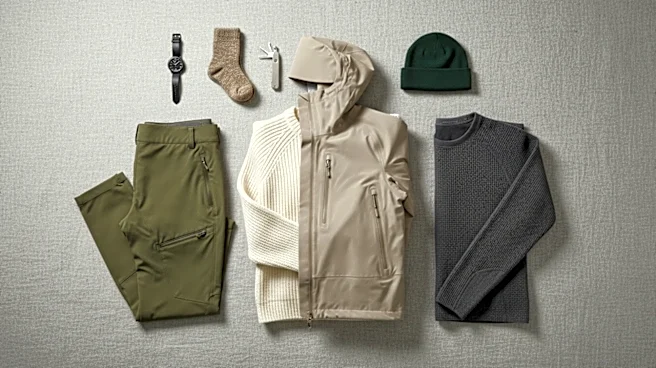
If there is one cardinal rule of PNW dressing, it is to master the art of layering. The weather can famously shift from sunny to chilly and damp multiple times in one day. Relying on a single heavy coat is a rookie mistake. The local system is typically a three-part formula: a moisture-wicking base layer (never cotton, which holds dampness), an insulating mid-layer like a fleece or hoodie, and a waterproof or water-resistant outer shell. Each piece should be able to stand on its own. This allows you to adapt to anything, whether you're moving from a warm coffee shop to a brisk, windy waterfront. It’s a practical approach that has become its own distinct style.
Why 'Dressing Up' Feels Different Here
In many parts of the country, an invitation to a nice restaurant or the theater implies a certain level of formalwear. In the PNW, the dress code is perpetually more relaxed. It's not uncommon to see people at upscale restaurants or even the opera in clean jeans and a high-quality fleece or jacket. This casualness can trip up newcomers who feel pressure to dress formally. The local version of "dressing up" often means swapping your trail runners for a pair of stylish, waterproof boots and wearing your most presentable (and least-worn-on-a-hike) fleece or flannel shirt. The emphasis is on quality and comfort, not formality. Trying too hard to look glamorous can ironically make you stand out more than blending in with the relaxed, functional aesthetic.
The Brand and Color Palette Tells a Story
While the style is understated, the details matter. Brands are a quiet signal of belonging. An allegiance to outdoor companies with strong environmental ethics or local roots is common. The color palette often mirrors the natural landscape, with a focus on earthy tones like forest green, navy, gray, and rust. This doesn't mean everything is drab; bold, retro-inspired colors, especially in fleece and jackets, are also a staple, nodding to vintage '80s and '90s outdoor gear. Wearing flashy, logo-heavy designer brands that feel disconnected from the region's nature-centric, anti-fuss culture is one of the fastest ways to look like an outsider. The style is about appreciating things that are well-made and fit for purpose, not just for show.