




The Blueprint as a Vibe
Camp Flog Gnaw, which has grown from a parking lot party to a massive two-day event at Dodger Stadium, is an extension of Tyler, the Creator's vision. That vision isn't just about curating an eclectic music lineup; it's about building a world. The physical
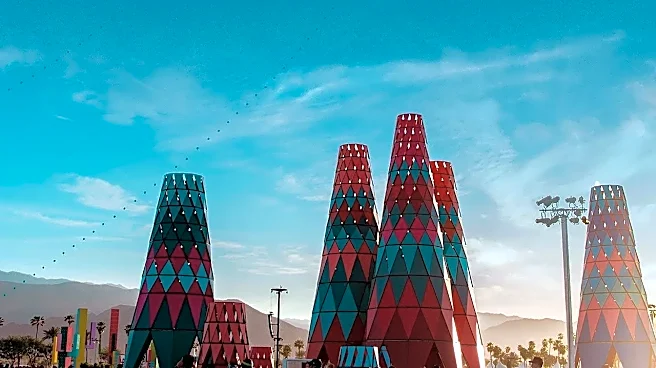
layout is the foundation of that world. The placement of carnival rides, art installations, and stages isn't random; it's designed to encourage discovery and create a specific energy. Unlike festivals that simply try to manage crowds, Camp Flog Gnaw’s layout is a narrative tool. By forcing attendees to move through different zones, the festival pushes them out of their comfort zones, mirroring the genre-spanning lineup itself. A fan coming for headliner Future might stumble upon an indie band or a classic soul group, simply by navigating the space. This curated chaos is intentional, turning the festival grounds into a physical manifestation of a meticulously crafted playlist.
Stage Placement and the Soundscape
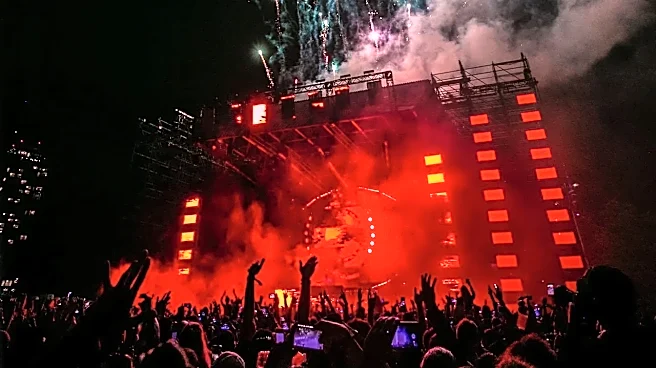
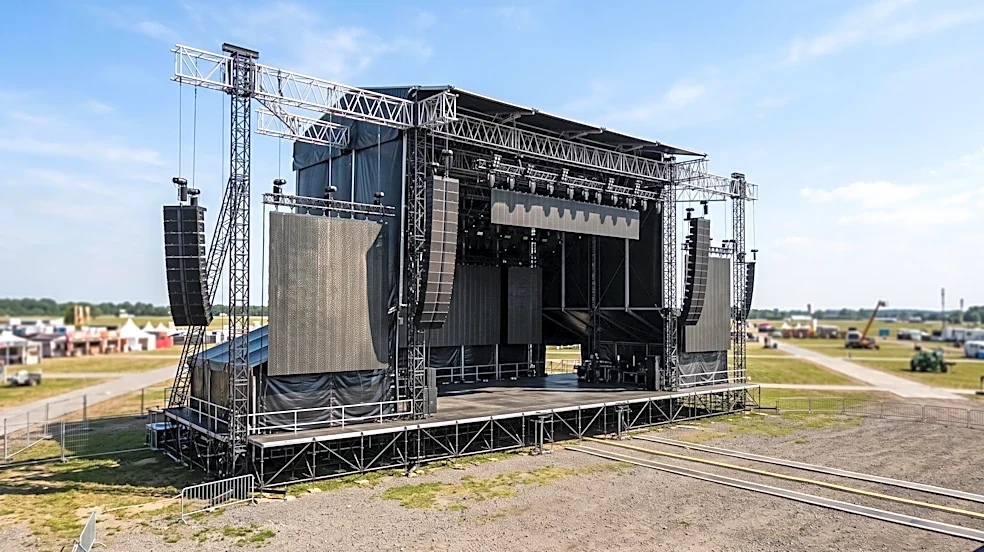
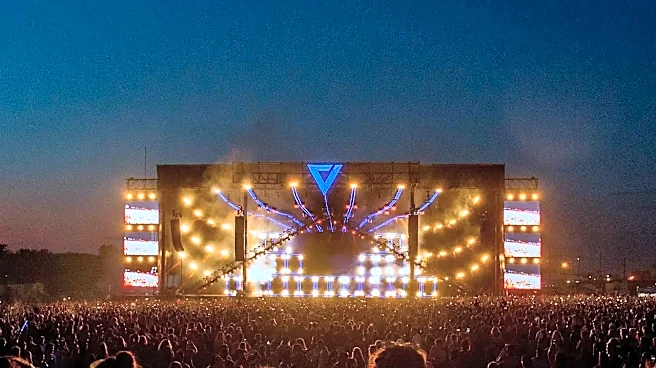
Planning the stages at a festival held in a space like the Dodger Stadium grounds is a complex puzzle. The primary goal is to minimize 'sound bleed', where audio from one stage interferes with another. This requires careful positioning and orientation of the stages, often dictated by the venue's natural acoustics and geography. At Camp Flog Gnaw, which typically features at least three stages, this means ensuring a hardcore band like Turnstile doesn't sonically overpower a more mellow R&B set by an artist like Steve Lacy happening simultaneously. Furthermore, stage location dictates crowd capacity and flow. Main stages need vast open areas to accommodate the largest crowds, while smaller stages can be tucked into more intimate corners to foster a different energy. The path between these stages is just as critical. Organizers must create clear, wide walkways to prevent dangerous bottlenecks as tens of thousands of people move from one performance to the next.
The High-Stakes World of Vendor Placement
For the dozens of food and merchandise vendors, the festival layout is a matter of profit and loss. Placement is everything. A booth located on a main artery between two popular stages is prime real estate, guaranteed to see heavy foot traffic. A spot tucked away in a low-traffic corner can be a financial disaster. Festival planners must balance vendor needs with the overall guest experience. Long queues for a popular food truck can't be allowed to block major walkways. That's why festivals often create designated 'zones' for food or merchandise to concentrate traffic and services. Camp Flog Gnaw also operates as a cashless event, which streamlines transactions but puts even more emphasis on getting into high-visibility locations where impulse buys are more likely. The layout dictates which vendors thrive, making booth mapping a crucial, high-stakes part of the planning process.
Shaping the Attendee's Journey
Ultimately, all layout decisions funnel down to the fan experience. The move to Dodger Stadium provided a massive canvas, but also logistical challenges like parking and entry that have to be managed. Organizers have addressed this with options like free shuttles from Union Station to dedicated drop-off lots, turning the journey to the festival into part of the planned experience. Inside the grounds, the layout directly influences how attendees spend their time and money. Do they camp out at one stage all day, or does the map encourage them to explore? Are restrooms and water stations easy to find? Is there enough space to relax away from the massive crowds? At Camp Flog Gnaw, the integration of free carnival rides and games throughout the space serves as another strategic layer, breaking up the traditional festival grid and creating pockets of activity that disperse crowds and offer an experience beyond just the music.