


The Festival's No-Encore Reality
First, let's get the logistics out of the way. At a massive, multi-stage event like Austin City Limits Music Festival, traditional encores are a logistical nightmare. With set times scheduled back-to-back, often down to the minute, there’s simply no time for
a headliner to walk off, wait for applause, and return. A ten-minute encore delay on one stage could cause a cascading effect, disrupting the entire festival's tight schedule and creating sound bleed issues for the next artist. Furthermore, with tens of thousands of people needing to exit Zilker Park and find transportation, abrupt, hard endings are a crowd management necessity. Artists and organizers know this, so instead of fighting the clock, they've engineered a new kind of finale.
Hacking Your Memory with the Peak-End Rule
The secret to the encore-less encore lies in a psychological principle called the "peak-end rule." Coined by Nobel laureate Daniel Kahneman, it suggests that our memory of an event isn't an average of every moment, but a snapshot of its most intense point (the "peak") and its conclusion (the "end"). Everything in the middle, good or bad, tends to fade. Artists performing at festivals have become experts at manipulating this. They know that a two-hour set with a few lulls will be remembered as epic if the peak is high enough and the ending is strong enough. They don’t need the fake-out of a traditional encore; they just need to ensure the last thing you experience is powerful and definitive.
Crafting the Perfect Artificial Finale
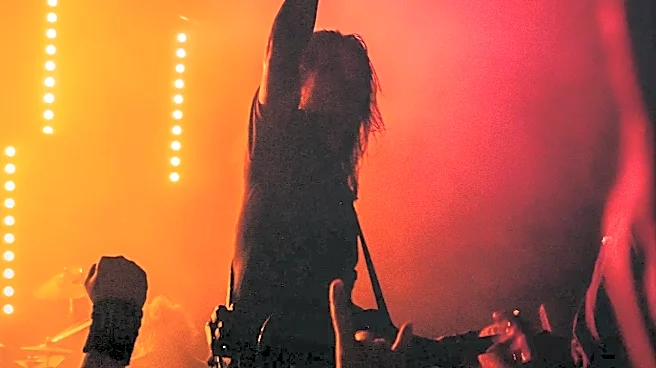
So how do they do it? Artists stack the deck, creating a manufactured climax that serves the same purpose as an encore. The most common technique is saving the biggest, most anthemic hit for last. This guarantees a massive singalong, a moment of intense collective energy that functions as the show's emotional peak. You’re not just watching a performance; you're an active participant in the finale. Other methods include a powerful, extended instrumental outro, a heartfelt and personal speech to the crowd, or a dazzling light show synchronized to the final crashing chords. These actions create a sense of finality and emotional release, signaling to our brains that this is the definitive end. It’s not an encore; it’s a grand, pre-planned punctuation mark.
The Chemistry of Collective Catharsis
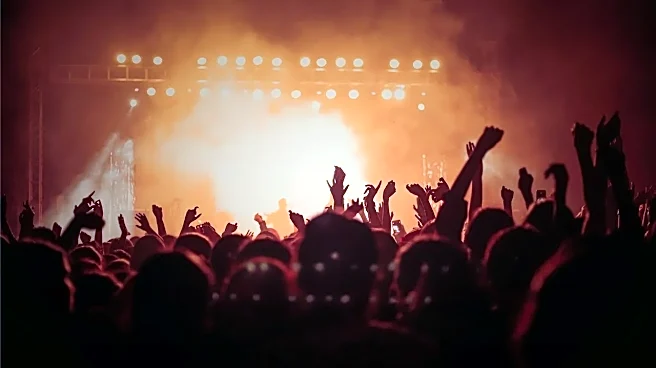
Beyond clever setlist design, there’s a powerful social chemistry at play. Live music, especially in a festival setting, triggers the release of hormones like dopamine (pleasure) and oxytocin (bonding). When thousands of people sing, dance, and experience the same emotional arc together, it creates a profound sense of connection and belonging. This shared experience, this feeling of being part of something larger than yourself, generates its own powerful catharsis. The communal release of energy during that final song provides the closure and emotional high that an encore traditionally offers. The feeling of unity with the crowd becomes the true final act, making the stage ritual of an encore feel almost redundant.