




The short jacket—a bomber, a cropped blazer, a tidy denim number—is a modern wardrobe hero. Yet its simple look is deceptive. A long coat can hide a multitude of sins, but a short jacket leaves no room for error. Here’s the deal.
The Hem Is a High-Stakes Game
With a long coat, the
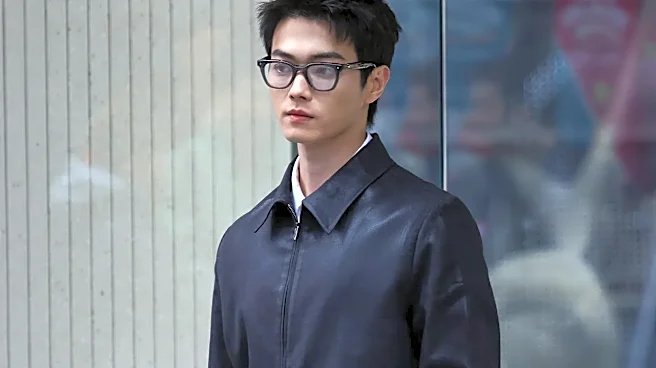
hemline is a finishing thought. With a short jacket, it’s the entire plot. Where the jacket ends dictates your body’s entire proportion. A long coat creates its own silhouette, falling from the shoulders to the mid-thigh or knee. A short jacket, by contrast, creates a stark horizontal line across your torso. If that line hits at the wrong spot, the effect can be jarring. End a jacket at the widest part of your hips, and it will visually broaden that area. But when the hem lands at your natural waist, it can create an elongating effect for your legs, especially when paired with high-waisted pants. This pairing raises the body's perceived waistline, creating a flattering 1/3 top to 2/3 bottom ratio. A long jacket doesn’t need this synergy; it exists on its own terms. A short jacket is part of a team, and its most valuable player is the hem.
There's No Hiding a Bad Fit
Think of a long coat as a soft-focus filter. Its length and volume can gracefully conceal a slightly off-shoulder seam or a bit of extra room in the chest. A short jacket is high-definition; every detail is exposed. Because there’s less fabric, any imperfection is magnified. The shoulder seam must sit perfectly on the edge of your shoulder. The sleeves must end precisely at the wrist bone, as sleeves that are too short or too long make the entire garment look shrunken or sloppy. There’s no drape to distract the eye. A boxy, ill-fitting short jacket can make you look wider than you are, creating what some stylists call a 'football linebacker' effect, especially when paired with slim pants. With less material, the tailoring has to be twice as good.
The Underlayer Becomes the Main Event
When you wear a trench or overcoat, the shirt or sweater underneath is often just a supporting actor. But with a short jacket, the underlayer is a co-star. A cropped jacket frames whatever is beneath it, meaning the length, fit, and texture of your top are suddenly critical. Stylists generally advise pairing cropped jackets with fitted tops that can be tucked in. An untucked, oversized shirt hanging below the hem of a short jacket creates multiple horizontal lines that can visually break up the body and shorten the legs. A tucked-in top creates a clean, continuous line from the waistband of the pants up to the jacket's hem, enhancing the leg-lengthening illusion. A long coat gives you the freedom to wear almost anything underneath, but a short jacket demands a more curated and intentional approach.
It Redefines Your Proportions
A long coat imposes its own proportions on your frame, creating a strong vertical line. A short jacket, however, works with the proportions you already have—and can radically alter them. This makes it a powerful tool, but one that requires careful handling. For someone with a long torso and shorter legs, the wrong short jacket can emphasize that ratio. For someone with a short torso, a cropped cut can create the illusion of a longer upper body. The key is understanding your own body shape. Traditional tailoring rules, like having a jacket cover the seat of your pants, don't apply here. Instead, the goal is balance. The short jacket's power lies in its ability to manipulate your perceived waistline and the ratio of your torso to your legs. It's less about following a single rule and more about creating a silhouette that feels harmonious and intentional.