

The Opposite of Arena Rock
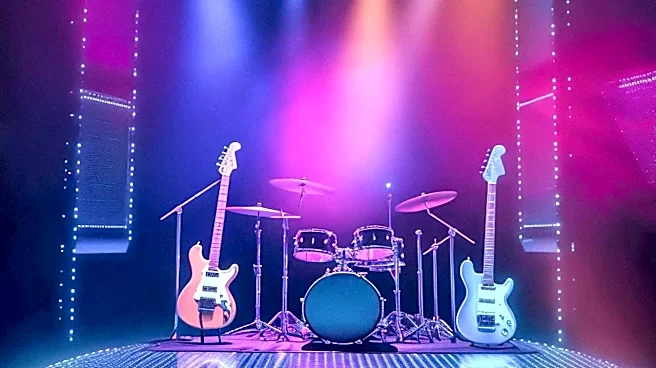
When you think of an overproduced song, what comes to mind? Often, it’s the drums: a massive, perfectly-timed, cannon-like beat that dominates the track. It’s a sound built for stadiums, designed for maximum impact. The Americana genre, and by extension
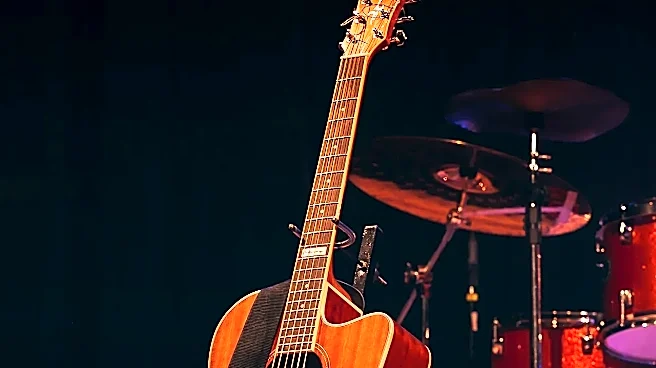
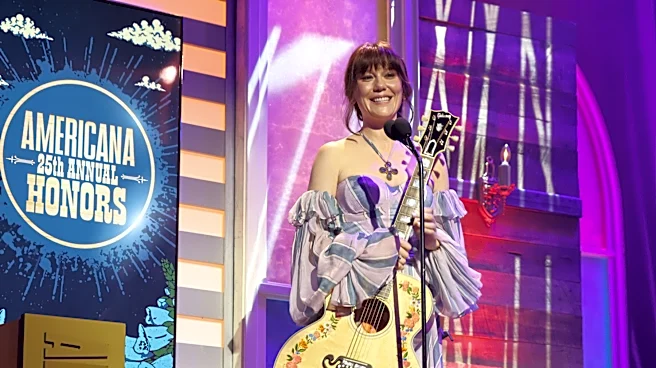
its annual awards show, is fundamentally a reaction against that. The 2026 ceremony was a masterclass in this philosophy. From the intimate stylings of Duo/Group of the Year winners Gillian Welch & David Rawlings to the intricate guitar work of Artist of the Year Molly Tuttle, the arrangements were built to serve the song, not overwhelm it. The house band, led by the venerable Buddy Miller, is designed for flexibility and taste, not brute force. This isn't about a lack of resources; it's a conscious aesthetic choice that prioritizes storytelling and emotional connection over sheer volume.
The Power of the Unconventional Kit
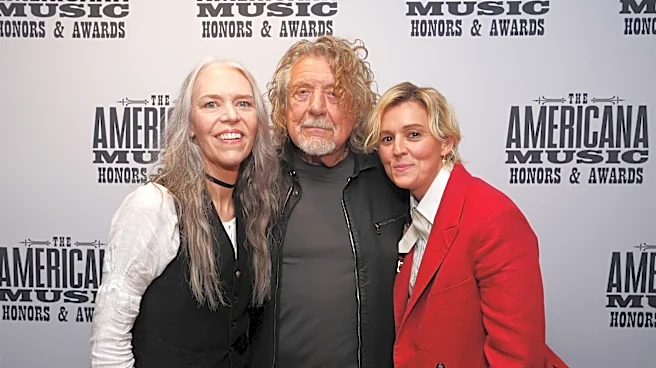
Instead of a booming kick drum and crashing cymbals, the pulse of Americana often comes from more organic sources. It might be a foot stomping on the Ryman Auditorium's historic stage, a set of brushes whispering across a single snare drum, or the subtle pulse of a Cajón, a box-like drum of Peruvian origin. These instruments provide rhythm without consuming the sonic landscape. Performers like Robert Plant, who received a Lifetime Achievement honor, demonstrated this perfectly with nuanced renditions of roots standards. His set, like many others during the night, relied on texture and groove rather than power. This approach has deep roots in folk, blues, and Appalachian traditions, where percussion often came from whatever was on hand: washboards, spoons, or the human body itself. That DNA is still present in today's Americana, creating a rhythmic feel that is felt as much as it is heard.
Making Room for the Story
At its core, Americana is a songwriter's genre. The lyrics and the vocal delivery are paramount. Brandi Carlile’s win for Song of the Year with “Returning to Myself” underscores this focus on narrative and personal expression. A busy or loud rhythm section would simply get in the way, burying the intricate details of the story being told. By stripping back the percussion, artists create a wide-open space in the middle of the mix. This allows the subtleties of a vocal performance, the woody resonance of an acoustic guitar, and the interplay of harmonies—like those in the tribute to Dolly Parton—to shine through. The percussive choices are, in essence, an act of deference. They bow to the song itself, ensuring the story remains the central character. The infectious beats in the genre, when they appear, are often driven by hand claps or a simple kick-snare pattern that invites participation without being distracting.
An Intentional Aesthetic, Not a Limitation
It would be a mistake to think this minimalist approach to percussion is due to a lack of skilled drummers or budgetary constraints. The house band's drummer, Fred Eltringham, is a world-class musician who has played with the likes of The Wallflowers and Sheryl Crow. The decision is purely artistic. It's a collective understanding that the music's power lies in its authenticity and its connection to a long lineage of American roots music. Even when The Heartbreakers reunited for a powerful tribute to Tom Petty, the drumming served the iconic songs with disciplined energy, never overshadowing them. This restraint is a form of confidence. The artists and producers in the Americana community trust that the songs are strong enough to connect with an audience without the need for studio gloss or arena-sized bombast. The result is a live show that feels less like a polished production and more like a shared, intimate experience.