




The Signal: An Awards Campaign Is Born
First, the good news for filmmakers. A thunderous reception on the Lido is the starting pistol for awards season. Venice has a strong track record as a launchpad for Oscar glory; films that premiere well here are immediately placed on the radar of critics,
voters, and guild members. Last year, several films translated their Venice ovations directly into Oscar nominations and even wins. This initial burst of positive press provides a powerful narrative that a studio’s marketing department can harness for months. It creates an aura of prestige and artistic importance that is crucial for a successful awards run, distinguishing a film from the pack and framing it as a must-see cultural event for discerning audiences.
The Noise: Ovation Length Is Mostly a Myth
Here’s where the analysis gets tricky. The media loves to report the exact length of an ovation, as if an 11-minute clap is quantifiably better than a 9-minute one. In reality, this is mostly noise. Festival ovations have become something of a self-perpetuating ritual, often performed out of politeness for the filmmakers present. There is no meaningful correlation between the duration of applause and a film's eventual box office haul or even its final critical score. Famously, films like "The Paperboy" and Kevin Costner's "Horizon: An American Saga" received long, emotional ovations at major festivals only to underperform commercially. The applause is real, but its predictive power regarding ticket sales is virtually non-existent.
The Signal: It Fuels the Marketing Machine
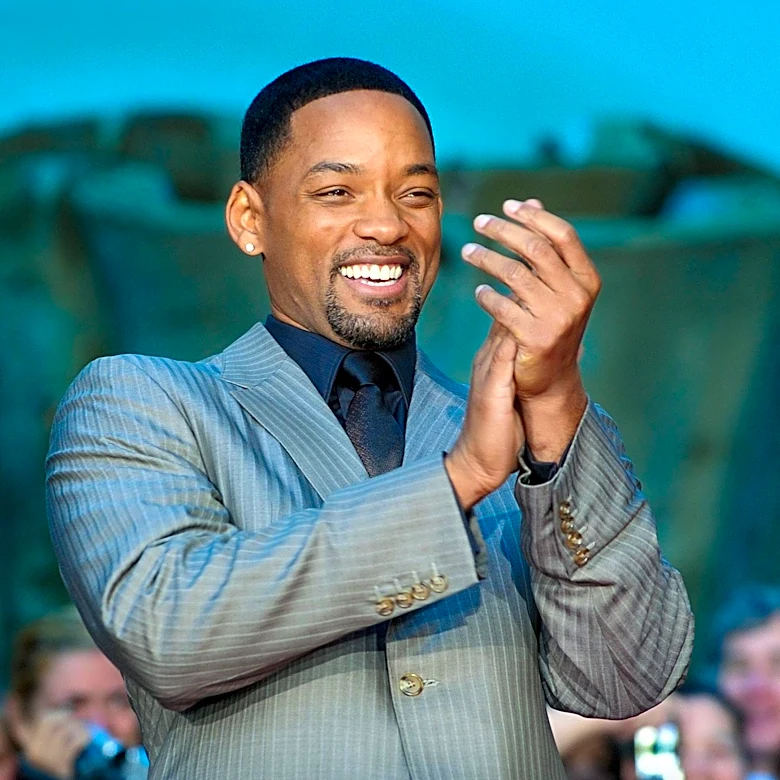
While the ovation itself doesn’t sell tickets, the story of the ovation does. Viral images of a tearful director or an emotional star soaking in the applause are marketing gold. They generate headlines and social media chatter, creating invaluable pre-release buzz. This isn't just about cinephiles; it’s about creating a sense of momentum that can capture the attention of the broader public. In an incredibly crowded media landscape, a huge festival moment helps a movie stand out. Analysts know that this initial wave of hype can be leveraged to build anticipation, secure distribution deals, and justify a larger marketing spend down the line.
The Noise: Festival Crowds Are Not Real Crowds
A key mistake is assuming a Venice premiere audience represents the general moviegoing public. They don’t. Festival attendees are a mix of dedicated cinephiles, industry insiders, and international press who are predisposed to appreciate art-house cinema and auteur-driven projects. Their tastes are often far from mainstream. A complex, challenging drama might receive a rapturous response on the Lido but struggle to find an audience in suburban multiplexes. Even boos at a festival aren't a death sentence; classics like "Taxi Driver" were initially met with jeers. Analysts look past the initial reception to consider the film's genre, star power, and overall accessibility before making any serious box-office projections.
The Ultimate Reality Check
So, what’s the real takeaway? A huge Venice reception is an indicator of potential, not a guarantee of success. It confirms that a film has, at minimum, connected with a passionate audience and likely has the goods to be an awards contender. It gives the film a powerful introductory chapter. However, seasoned analysts know that the true test comes later. The second wave of reviews from a wider pool of critics, audience scores from sites like Rotten Tomatoes, and early box office numbers from the opening weekend are far more reliable predictors. The Venice ovation is the glamorous launch party; the hard work of winning over the world starts the morning after.