
The Spark: The Professional Press
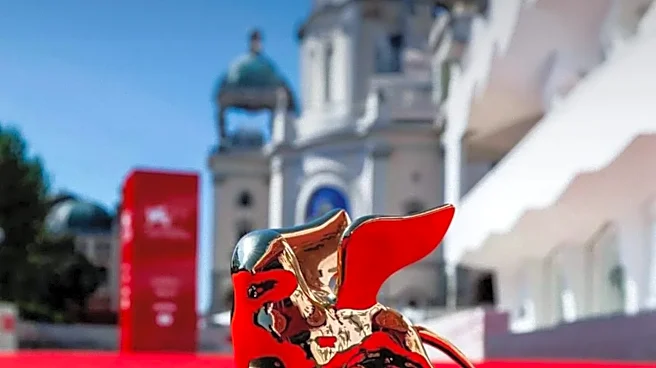
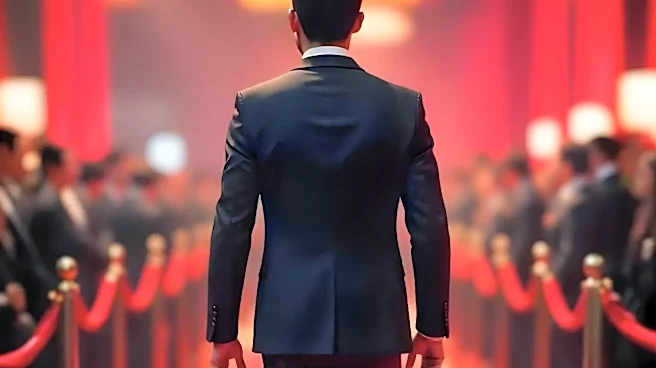
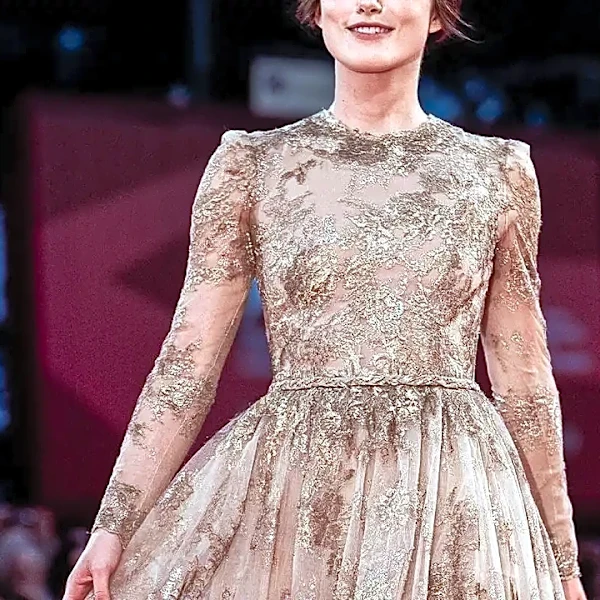
It begins on the red carpet of the Venice Lido. Hundreds of photographers are packed together, flashes firing in a relentless volley. They aren't just capturing glamour; they are hunting for narrative. They’re looking for the unscripted moment: a whispered
joke between co-stars, a tear during a standing ovation, or a defiant fashion statement. At the same time, accredited journalists inside the premieres are taking notes not just on the film, but on the atmosphere. They are timing the length of the applause and transcribing quotes from the post-screening Q&A. This is the raw material, the professional-grade kindling that the internet is waiting to ignite.
The First Wave: Instant Digital Reaction
Before the festival attendees have even left the theater, the first wave has already hit social media. Major trade publications like Variety and The Hollywood Reporter, along with global news wires, post the most striking images and video clips. Journalists live-tweet their initial, unfiltered reactions. These immediate posts from credible industry sources act as an accelerant. They provide the first official framing of the event. A seven-minute standing ovation is no longer just applause; it becomes a quantifiable metric of success that is immediately reported. This initial blast of content is what provides the primary source material for everything that follows.
The Inferno: Fan Armies and Meme Culture
This is where the story truly explodes. The images and reactions from the official press are seized upon by armies of dedicated fans. On platforms like X (formerly Twitter), Instagram, and TikTok, this content is remixed, recontextualized, and endlessly amplified. A single photo is dissected for meaning, turned into a GIF, or becomes the basis for a viral meme. Fan accounts, often with tens of thousands of followers, create a groundswell of conversation, driving hashtags to the top of trending lists. Their collective activity creates a powerful narrative, often centered on their favorite star. This stage is less about the film itself and more about the cultural conversation surrounding the personalities involved.
The Echo: Mainstream Media Reports on the Buzz
Once a moment has reached a certain velocity online, a new phase of media coverage begins. Digital publishers and entertainment news outlets start writing articles about the social media reaction. Headlines shift from "New Film Premieres at Venice" to "Fans are Losing Their Minds Over This Red Carpet Moment." The social media buzz itself becomes the news story. This legitimizes the fan-driven narrative, framing it as a significant cultural event. The conversation is no longer just happening among fans; it's being presented to a general audience as a story they need to know, creating an echo chamber where the initial spark is magnified into a roar.
Closing the Loop: When Stars and Studios Join In
The final step in the feedback loop occurs when the subjects of the viral moment—the actors and studios—publicly acknowledge it. An actor might repost a favorite fan meme on their Instagram story, or a director might comment on the online reaction in their next interview. Studios have even been known to incorporate Twitter praise into their marketing materials. This official recognition validates the entire cycle. It rewards the fan engagement, provides fresh fuel for the media, and solidifies the moment as part of the film's promotional history. The loop is closed, turning an Italian film premiere into a lasting piece of global pop culture lore.