



The Anatomy of a Curse
Imagine this: Your team just won the Super Bowl. Four years later, with the whole world watching, they don’t just fail to repeat—they get blown out in the first round of the playoffs and sent home in disgrace. That’s essentially the World Cup’s “Champion’s
Curse.” Specifically, it’s the baffling trend of the reigning world champion failing to even advance past the initial group stage of the next tournament. It’s not just about losing; it’s about a complete and utter collapse on the world’s biggest stage. For two decades, this wasn’t a spooky myth—it was a statistical nightmare that haunted some of the most dominant soccer nations on Earth.
A Century of Humiliation
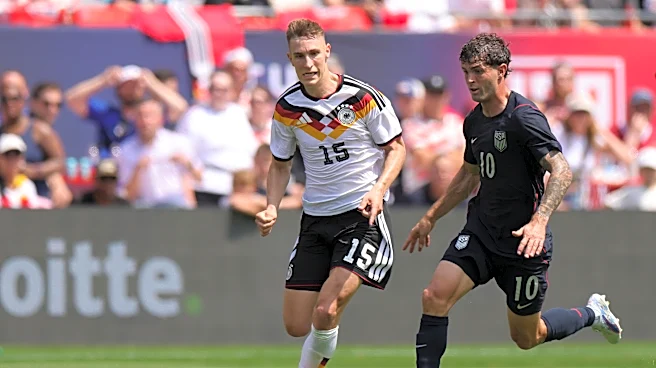
The pattern became terrifyingly consistent in the 2000s. It started with France. After winning their first-ever World Cup at home in 1998 with the legendary Zinedine Zidane, they arrived at the 2002 tournament as favorites. They proceeded to score zero goals and finished last in their group. Eight years later, Italy, the beloved 2006 champions, did the same, finishing bottom of a group containing Paraguay, Slovakia, and New Zealand. Then came Spain, whose revolutionary “tiki-taka” style had won them the 2010 World Cup and two European Championships. In 2014, they were humiliated 5-1 by the Netherlands in their opening match and were mathematically eliminated after just two games. The curse reached its zenith with Germany. The ruthlessly efficient 2014 champions entered the 2018 World Cup as a machine, only to lose to Mexico and South Korea, crashing out in their worst performance in 80 years. Four champions, three continents, one brutal outcome.
Why Does It Happen?
So, is it bad juju? Or is there a tactical explanation? Analysts point to a perfect storm of factors. First, there’s immense pressure. The target on a champion’s back is enormous, and every opponent plays the game of their lives against them. Second is complacency and tactical stagnation. A coach who found a winning formula is often reluctant to change it, allowing rivals four years to study and devise a counter-strategy. Third is the age factor. The heroic core of a championship team is four years older, often a step slower, and may have lost some of its hunger. The combination of being figured out, getting old, and struggling to find the same desperate motivation that fueled the initial victory creates a recipe for disaster. It’s less a curse and more a psychological and strategic trap.
The Curse Breakers
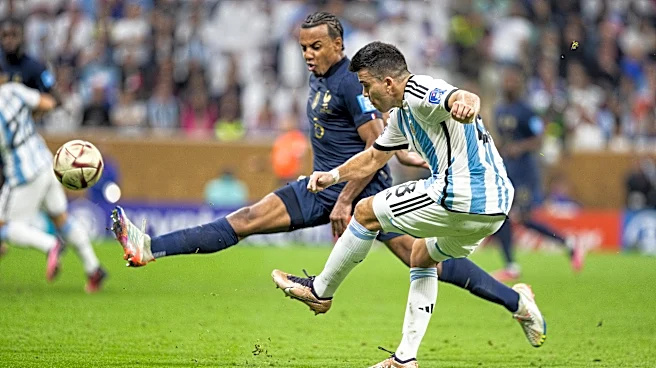
But the story has a twist. Not every champion has fallen. Brazil, the 2002 winners, bucked the trend in 2006, advancing to the quarterfinals before being narrowly knocked out by France. They stumbled, but they didn't collapse. The most significant exception, however, came in 2022. France, the reigning 2018 champions, entered the tournament in Qatar with an injury-plagued squad and all the historical baggage of the curse weighing them down. Instead of crumbling, they powered through the group stage, navigated the knockout rounds, and reached the final in a legendary showdown with Argentina. Though they lost on penalties, their performance shattered the modern curse narrative. They proved that a defending champion could not only survive but thrive.
The 2026 Test: Argentina’s Turn
This brings us to the 2026 World Cup, set to be co-hosted by the United States, Mexico, and Canada. The defending champion is Argentina, led by the iconic Lionel Messi. All eyes will be on them. Will they follow the path of Italy, Spain, and Germany, falling victim to the pressures of their own success? Or will they take inspiration from France’s 2022 run, proving that the curse is truly a thing of the past? Argentina’s title defense will be one of the tournament's central dramas. They have the talent, but the weight of history—and the ghosts of champions past—will be lurking in every match. For American viewers, it’s the ultimate storyline to track: not just a team trying to win, but a team trying to escape a legacy of failure.