







A Lure of False Comfort
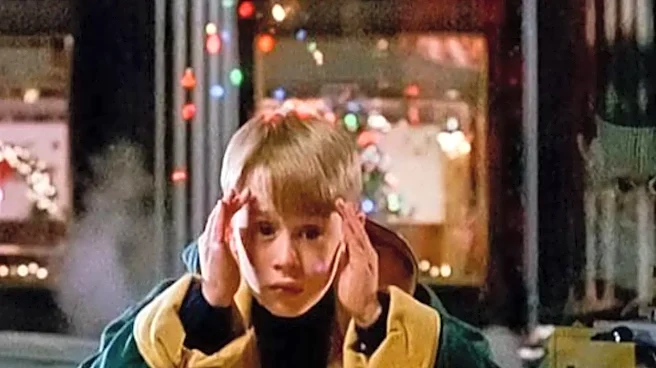
On the surface, a home aglow with Christmas lights is a beacon of warmth and safety. Cinematographers use this to their advantage, lulling the audience into a false sense of security. Consider 'Home Alone,' a film where the McCallister's idyllic, brightly
decorated house should be a sanctuary. Instead, it becomes a cartoonishly violent battleground. The festive lights adorning the home are the backdrop for blowtorches, flying paint cans, and shocking booby traps. This clash between the cozy visuals and the brutal action creates a powerful comedic and thematic dissonance. The warm lighting promises a traditional, safe Christmas, which makes the ensuing mayhem all the more surprising and memorable. It’s a visual joke that highlights the absurdity of the situation.
The Brighter the Light, the Darker the Shadow
Filmmakers understand a fundamental truth of lighting: you can’t have bright highlights without creating deep shadows. This applies thematically as well. In films like Tim Burton's 'Batman Returns,' the garish, glowing holiday decorations of Gotham City do nothing to erase its fundamental corruption and gloom. Instead, the festive lights amplify the darkness. The Penguin, a character born of tragedy and living in the sewer, is a stark contrast to the holiday cheer he seeks to destroy. Similarly, in 'Gremlins,' the picture-perfect town of Kingston Falls, decked out for Christmas, is thrown into terrifying chaos. The twinkling lights that initially signify small-town charm soon illuminate monstrous creatures causing mayhem. The light doesn't banish the darkness; it reveals how close it's been all along, turning symbols of joy into eerie set pieces for horror.
An Ironic Commentary on Holiday Pressure
Sometimes, the lights are just part of the satire. Movies like 'Scrooged' use the backdrop of an over-the-top, commercialized Christmas to critique modern holiday excess and cynicism. The bright lights and relentless cheer are presented as part of the problem—a gaudy, materialistic mask hiding moral decay. In these films, the warm glow of Christmas isn’t a symbol of genuine spirit but of the forced festivity and consumerism that many feel pressure to participate in. The lighting is part of a visual landscape that characters are rebelling against or overwhelmed by, making their eventual discovery of the 'true meaning' of Christmas feel that much more earned. It’s a way for filmmakers to acknowledge the complicated, and often stressful, reality of the holidays for many people.
A Glimmer of Hope in the Gloom
Even in the darkest stories, Christmas lights can serve their most traditional purpose: symbolizing hope. Frank Capra’s 'It’s a Wonderful Life' is a famously beloved Christmas classic, but it's built on a foundation of profound darkness. George Bailey is a man whose dreams have been systematically crushed, leading him to the brink of suicide on Christmas Eve. The film's depiction of Bedford Falls is steeped in struggle and personal sacrifice. Throughout his journey, the lights of his town represent the community and connections he has forged. In the end, when George chooses life, the warmth and glow of his family's Christmas tree is not a false comfort but a genuine representation of his redemption and the love that saved him. The light, in this case, doesn't just contrast with the darkness; it ultimately overcomes it.