

From Mood Board to Model
Every extreme beauty look begins not with a makeup brush, but with a conversation. Days or even weeks before the show, the lead makeup artist—think industry legends like Pat McGrath or Val Garland—meets with the designer. The goal is to translate the collection’s
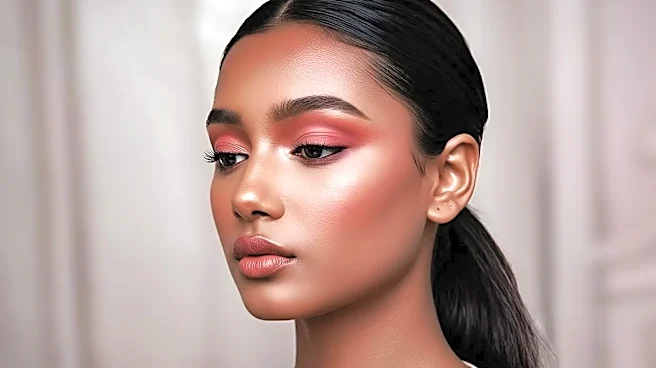
theme into a tangible makeup concept. Is the vibe romantic, rebellious, futuristic? The team gathers inspiration from art, history, or even a single scrap of fabric, compiling it all onto mood boards. This is where the initial spark of an idea, like feathered eyelashes or a face that looks like porcelain, is born. From there, the key artist and designer will often conduct a makeup test on a model a few days before the show. This is the first attempt to bring the vision to life, creating a look that’s photographed and documented on a face chart to serve as the blueprint for the entire team.
The Real-World Wear Test
Once a look is created, it has to survive reality. Backstage at a fashion show is a chaotic, high-energy environment—it's hot, cramped, and models are constantly moving. An idea that looks stunning in a calm studio might melt, smudge, or literally fall off under pressure. This is where testing becomes crucial. Makeup artists and their teams treat backstage as a laboratory. They are looking for durability, style relevance, and ease of application. For an extreme look, this might involve having an assistant wear the makeup for hours, simulating the heat of runway lights with a hairdryer, or even lightly spritzing the face with water to check for smudging. The goal is to identify and solve every potential problem before dozens of models are in the chair. If a new, unreleased product is being used, this is its ultimate trial by fire; if it can survive fashion week, it can survive anywhere.
Adhesives, Pigments, and Prayers
Making an extreme look last often comes down to technical skill and the right products. For looks involving prosthetics, jewels, or other non-makeup materials, artists rely on cosmetic-grade adhesives to ensure everything stays put without irritating the model's skin. The process can be meticulous. For Givenchy's Spring/Summer 2014 show, Pat McGrath's team used crystals and pearls, pushing the boundaries of traditional makeup application. The key is making something that appears delicate perform like armor. This involves layering products strategically. Setting sprays are used not just at the end, but between layers of foundation and powder to meld textures together and lock everything in place. Pigments might be custom-mixed to achieve the perfect shade, and artists often have a kit full of unexpected tools to achieve unique textures and effects.
Show Day and Final Checks
On the day of the show, the lead artist briefs their team, walking them through the face chart and demonstrating the look to ensure absolute consistency across every model. But even with meticulous planning, the testing isn't over. As models get dressed and line up, the lead artist does a final walkthrough, checking each face under lighting that simulates the runway. This is the last chance to catch any flaws. A team of artists stands by with small touch-up kits, ready for last-minute emergencies—a stray eyelash, a bit of shine on the nose, or a smudged lip. They watch for how the makeup reacts as models wait to walk, ensuring that the ethereal, jaw-dropping look that was conceived weeks ago remains perfect for its fleeting, high-impact moment in the spotlight.