








The Most Famous Film
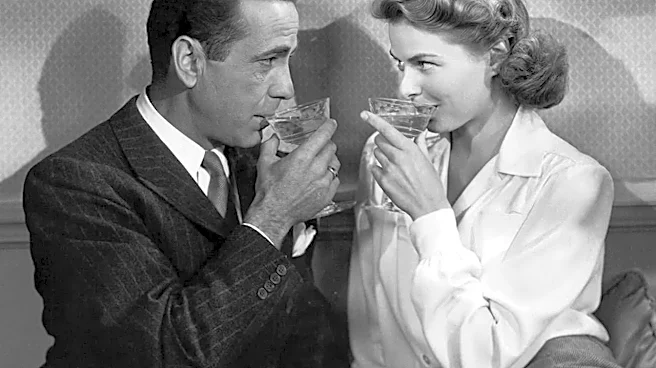
When you think of Humphrey Bogart, you think of Casablanca. It’s the film that transformed him from a reliable gangster actor into a true romantic leading man and cemented his status as a Hollywood immortal. The 1942 classic is consistently ranked among
the greatest movies ever made, celebrated for its sharp dialogue, emotional depth, and that legendary, bittersweet ending. But the serene, confident cool of Rick Blaine on screen was a world away from the turmoil Humphrey Bogart experienced making the film. The set was notoriously troubled, with a script that was being rewritten daily, a cast of actors who weren't sure how the story would end, and pressures mounting from all sides. It was a production that was anything but smooth, and it pushed its star to the absolute limit.
A Reluctant and Restless Star
Bogart arrived on the Casablanca set in a dark place, both personally and professionally. This was his first major romantic lead, a departure from the tough-guy roles he was known for, and he was reportedly anxious about his ability to pull it off. Adding to the pressure was his chaotic marriage to his third wife, actress Mayo Methot. Their relationship was so volatile they were nicknamed “the battling Bogarts” by the press. Methot was intensely jealous and constantly accused Bogart of having an affair with his luminous co-star, Ingrid Bergman, leading to furious arguments that followed him to the set. To cope, Bogart became withdrawn and isolated. He drank heavily in his dressing room, ignored Bergman between takes, and spent his downtime playing chess by himself rather than socializing, channeling the misery of his real life into his character.
Conflict with the Director
The atmosphere on set was made even more tense by Bogart's difficult relationship with director Michael Curtiz. Curtiz, a prolific and demanding filmmaker, was known for treating actors like props, and his style clashed with Bogart’s professionalism. One particular point of friction was a classic Hollywood vanity trick that became a source of daily humiliation. Ingrid Bergman stood two inches taller than Bogart's 5' 8" frame. To maintain the illusion of a commanding leading man, Curtiz forced Bogart to stand on blocks and sit on cushions in his scenes with Bergman. For an actor already feeling insecure and wrestling with his public image, this constant, visible reminder of his perceived shortcoming was a significant source of aggravation.
The Breaking Point
With the script in flux, his personal life in shambles, and a director he found difficult, the pressure cooker environment finally boiled over. The headline claim isn't far from the truth: Bogart did threaten to walk off the set of Casablanca. While he never actually abandoned the production, the threat itself speaks volumes about the immense strain he was under. It was the culmination of weeks of personal unhappiness, professional anxiety, and on-set friction. Bogart, the consummate professional, was known for showing up and getting the job done. For him to even consider walking away from a major Warner Bros. picture demonstrates the severity of the situation. He felt disrespected by Curtiz and overwhelmed by the chaos, and he was pushed to his breaking point.