

The Age of Ink and Anticipation
For much of the 20th century, a handful of broadcast networks dictated American viewing habits. The television season, a concept borrowed from the early days of radio, traditionally began in the fall after a summer of reruns. This created a natural hunger
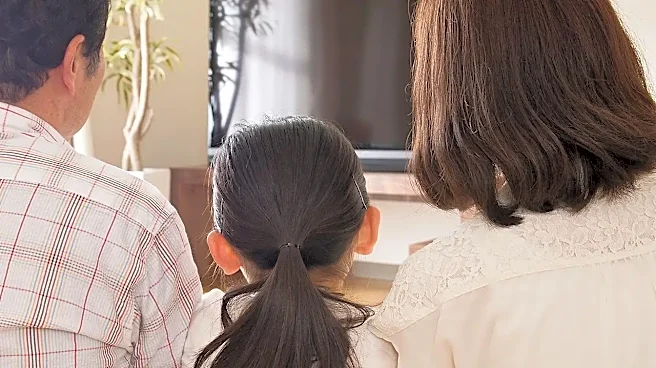
for new content. Into that void stepped TV Guide, whose annual Fall Preview issue became a sacred text for viewers. It wasn’t just a magazine; it was a tool for planning a household’s entire autumn. Families would gather to read about the new shows, debate which ones looked promising, and meticulously circle the premiere dates and times. This act of physically marking a schedule turned passive viewing into active participation. It gave audiences a sense of ownership and investment before a single episode aired, transforming a network marketing push into a cherished domestic tradition.
Prime Time Goes Meta: The Network Specials
By the 1970s and 80s, the networks realized they could turn the preview itself into its own form of entertainment. They began producing star-studded, prime-time preview specials, essentially creating TV shows about their upcoming TV shows. Often hosted by the network's biggest personalities, these specials featured cheesy skits, behind-the-scenes clips, and interviews with the casts of new series. ABC, CBS, and NBC would each air their own flashy presentation, trying to build buzz and convince viewers their network was the one to watch. This elevated the fall preview from a quiet, individual activity to a shared, televised event. It was a communal moment where the networks pulled back the curtain, however slightly, and invited the entire country to get excited together. The jingles and slogans from these campaigns became part of the cultural lexicon, cementing premiere week as a national observance.
The Great Unbundling: How Streaming Broke the Calendar
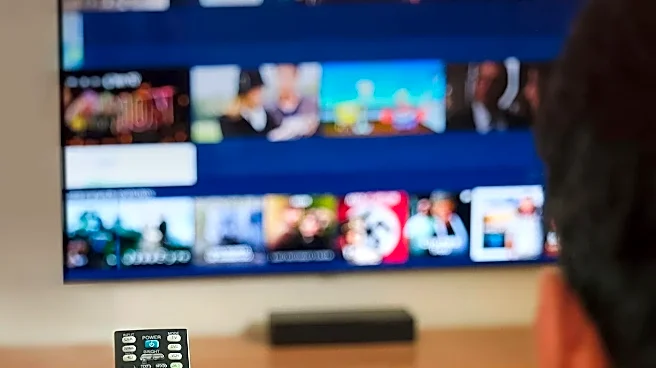
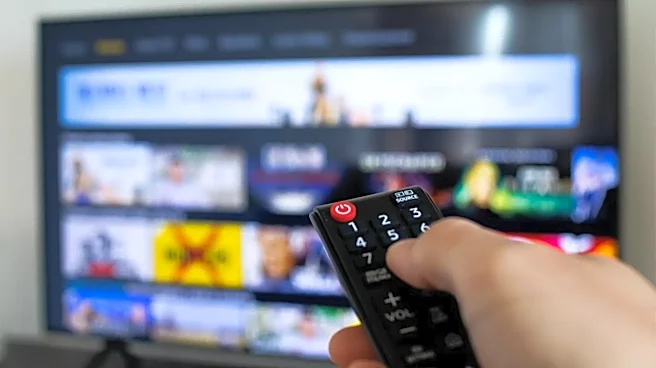
The internet, and more specifically streaming, fractured this decades-old ritual. Platforms like Netflix and Hulu eliminated the concept of a singular television season by dropping entire seasons at once, at any time of year. The idea of waiting weekly for an episode, let alone waiting for a designated premiere week in September, suddenly seemed quaint. The firehose of content available 24/7 means that a show's debut is no longer tied to a collective calendar date but to a platform's algorithm and a user's personal binge-watching schedule. While online communities, blogs, and social media now serve the preview function—offering trailers, reviews, and endless discussion—the experience is decentralized. The shared national moment has been replaced by a million personalized, on-demand discoveries. Media companies, in their rush to build streaming platforms, often began treating their broadcast channels as an afterthought, further diminishing the sense of a premiere week event.
An Echo of the Ritual
Today, the fall premiere week as a central cultural event is largely a memory. Viewership for traditional broadcast television has been in a steep decline for years, especially among younger audiences who have grown up with on-demand habits. However, some networks, like CBS, have occasionally attempted to revive the old-school, consolidated premiere week, recognizing the promotional power it once held. It serves as a potent platform to advertise their own shows and drive viewers to their corresponding streaming services, like Paramount+. These efforts are a nod to a time when a handful of channels could command the nation's attention simultaneously. While streaming's dominance has permanently altered the landscape, the lingering strategy shows that the core idea—creating a concentrated burst of excitement to launch new stories—still holds a powerful appeal in a crowded media world.