





1. Look for the Cross-Continental Consensus
A single, wild collection in Paris might just be a designer’s artistic statement. But when you start seeing the same idea—a specific color, a unique silhouette, a type of fabric—pop up in New York, London, Milan, and Paris, you've got a genuine signal.
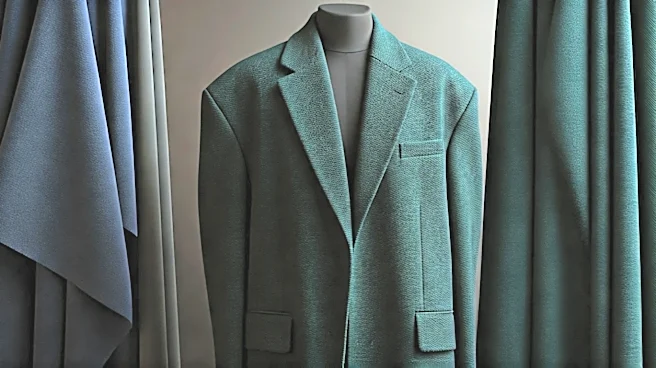
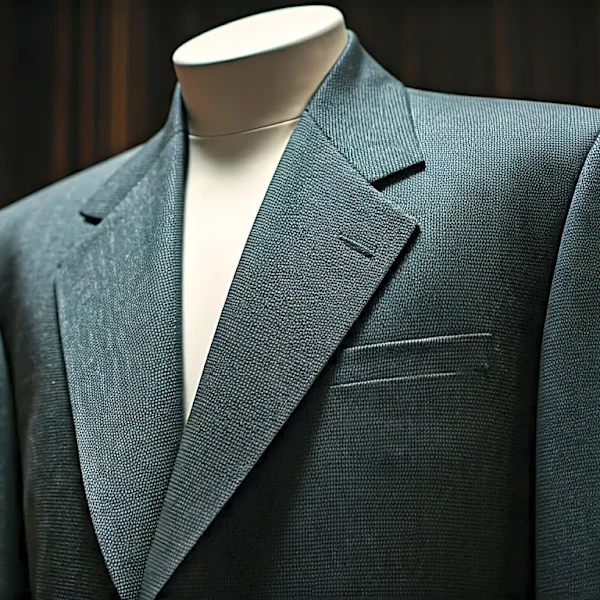
The world’s top designers don't collude, but they are all tapping into the same cultural currents. When their creative instincts independently align on a theme like, say, “Bottega green” or oversized blazers, it’s a powerful sign that the idea has global momentum. One show is a statement; four cities is a trend.
2. Pass the 'Stylist Translation' Test
Runway looks are often pure fantasy, styled for maximum editorial impact. The real test is what happens when a top-tier celebrity stylist gets their hands on it. Look at what stars are wearing for press tours, talk show appearances, or even high-profile errands—not just the Met Gala. Stylists are experts at “translating” a runway concept into something wearable and aspirational for their clients. If they're consistently pulling a certain type of dress or accessory and making it look effortless, it proves the trend can survive outside the rarefied air of the runway. This is the first step in the trend’s journey toward the real world.
3. Watch the Influencer Adaptation
While A-listers provide the initial stamp of approval, it’s the style influencers on TikTok and Instagram who figure out how a trend works for daily life. They are the bridge between high fashion and your closet. Pay attention to how they incorporate a new idea. Are they pairing the bright-colored tights with sneakers and a denim skirt? Are they wearing the cropped jacket with high-waisted jeans they already own? If influencers can seamlessly integrate a trend into an existing wardrobe, it signals a low barrier to entry for the average shopper. This is the ultimate democratic stress test.
4. Check the Commercial Math
Here's the secret sauce for mass-market retailers: Can the trend be simplified and produced affordably? An avant-garde Comme des Garçons sculpture-dress is art, not commerce. But the *idea* behind it—perhaps an exaggerated ruffle or a deconstructed element—can be tamed. A true retail-ready trend can be interpreted in cheaper fabrics (e.g., cotton instead of silk, vegan leather instead of calfskin) and adapted into forgiving silhouettes (an A-line skirt, a simple shift dress). If a trend relies on extremely complex construction or hyper-expensive materials, it will likely remain a niche, luxury-only item.
5. Is It a Remix or a Revolution?
Truly brand-new ideas in fashion are rare. Most successful trends are clever updates on timeless classics. Think about it: a trench coat with a new proportion, leopard print in an unexpected color, denim in a fresh cut. These trends have legs because they feel both familiar and new. They tap into our collective fashion memory, making them feel like a safe bet. Shoppers are far more likely to invest in a modern take on something they already love than in a completely alien concept. If you can trace a trend’s DNA back to a wardrobe staple, its chances of hitting the mainstream skyrocket.
6. See if It's Already in Stores
This might sound obvious, but the fastest fashion brands aren't waiting for Vogue to publish their trend reports. Companies like Zara and H&M have incredibly sophisticated trend-spotting systems and agile supply chains. They can take a look that appears on a Tuesday runway in Milan and have a version of it in development by Wednesday. Start browsing their “New In” sections a few weeks after the major fashion weeks conclude. If you see them betting heavily on a particular style—like ballet flats or cargo pants—it’s the market's most confident vote that a trend has commercial appeal.