


It’s More Than a Song, It’s a Personal Anthem
Let’s be honest, it was never just about the melody or the lyrics. That one specific track is deeply woven into the fabric of who you are. Music has a unique power to connect with our memories and emotions. That song might be the soundtrack to a pivotal
life moment—a first love, a tough breakup, a college road trip, or a period of self-discovery. When an artist plays it live, they aren’t just performing a hit; they’re validating a piece of your personal history. Missing it feels less like missing a tune and more like being absent for a moment that was supposed to be about you. Science backs this up, showing that music is incredibly effective at evoking what are called music-evoked autobiographical memories (MEAMs). These aren't just any memories; they are vivid, emotional, and self-defining.
The Fear of Missing the 'Peak'
Psychologists have a concept called the "peak-end rule," which says our memory of an event is disproportionately shaped by its most intense moment (the peak) and its end. A 20-song setlist isn't remembered as an average of all 20 songs. Instead, our brain creates a highlight reel. Your favorite song is almost always your anticipated emotional peak of the entire concert. If you experience the whole build-up but miss that one cathartic, hands-in-the-air moment, your brain's record of the event is fundamentally broken. The narrative is incomplete. Even if the finale is spectacular, the absence of that personal peak can retroactively cast a shadow over the entire experience, making the memory feel less satisfying than it otherwise would have been.
Losing a Moment of Collective Joy
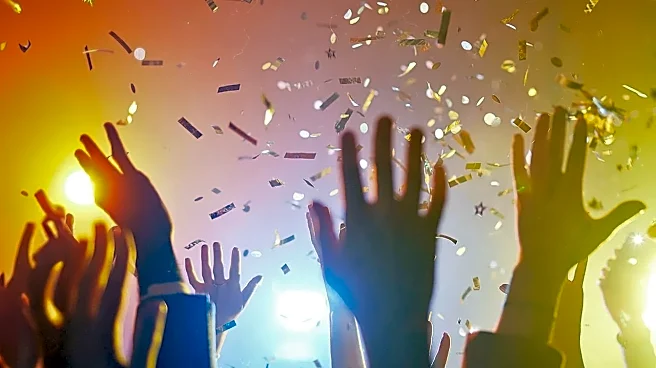
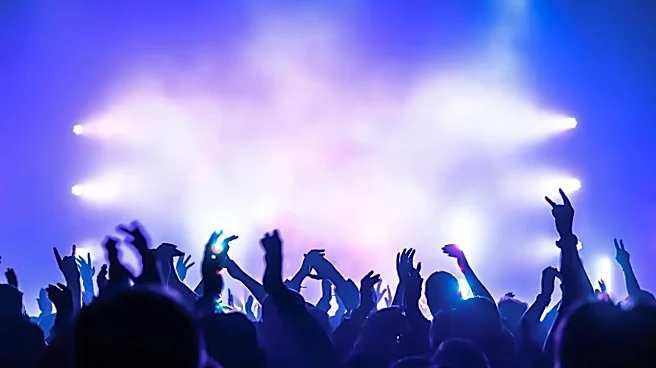
A concert is a deeply communal experience. You’re surrounded by thousands of people who share the same emotional connection to the music. While the whole show is a shared event, certain songs create a more potent sense of unity. When the opening chords of that one specific anthem hit, a unique energy ripples through the crowd. It’s the moment everyone has been waiting for, the second where every voice joins together. Missing that collective release isn't just a personal loss; it’s being excluded from the most powerful moment of community the night has to offer. In an era dominated by social media, this feeling is amplified by the Fear Of Missing Out, or FOMO. Seeing posts later of that exact moment you missed only twists the knife, confirming you were on the outside looking in.
The Cruel Math of Almost
There's a strange logic to our disappointment. Missing an entire show is a clear, binary outcome. You didn’t go. It's a bummer, but it's a simple fact. You can process it and move on. Missing one song while you are physically at the venue is a more complex form of psychological torture. You were so close. You did everything right—bought the ticket, traveled to the show, stood for hours—only to fail at the final, most important hurdle. This "near-miss" effect can feel more frustrating than complete failure because the desired outcome was within your grasp. It introduces a narrative of regret and self-blame—"If only I hadn't gone to the bar," or "If only I'd waited two more minutes"—that simply doesn't exist when you miss the event entirely.