
1. Translating the Designer's 2D Vision
The entire process begins not with fabric, but with a conversation. The pattern cutter takes a designer's sketch—a flat, two-dimensional drawing—and starts the work of translating it into a three-dimensional reality. This is a crucial interpretive phase
where they act as a bridge between pure creativity and technical execution. They analyze the proposed silhouette, style lines, and proportions, discussing with the designer how to achieve the intended look. They must also consider the chosen fabric from the outset; a fluid silk behaves entirely differently than a structured wool, and this choice dictates everything that follows. This initial check ensures that the technical plan aligns perfectly with the artistic vision before a single piece of paper is cut.
2. Creating and Perfecting the Toile
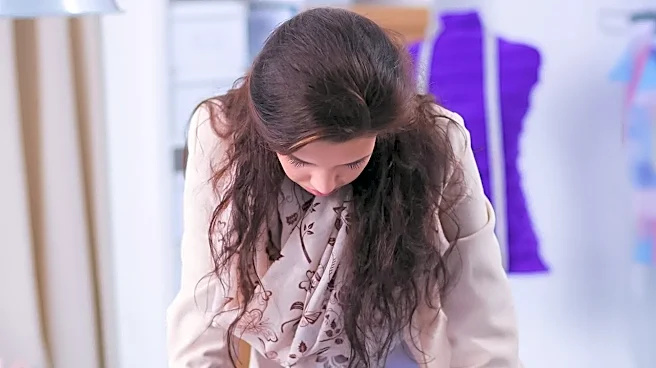
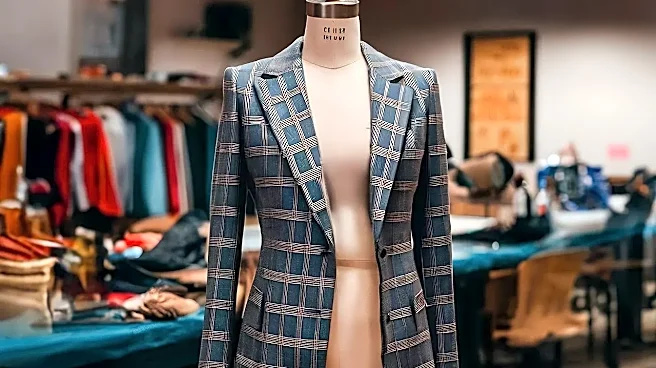
Next comes the first physical form of the garment: the toile (pronounced "twahl") or muslin. This is a prototype sewn from inexpensive fabric, allowing the pattern cutter and designer to assess the design's shape and fit without risking costly final materials. The pattern cutter drapes this fabric on a mannequin or a fit model, pinning, cutting, and shaping it to match the sketch. This is where the initial pattern is born and where the first major problems are solved. Is the shoulder line correct? Does the collar sit properly? Is the volume of the skirt as dramatic as envisioned? The toile is the first test of whether the idea works in the real world, and it will be adjusted again and again until the basic form is perfect.
3. Obsessing Over Fit and Proportions
Once the toile is approved, the focus shifts to microscopic details of fit. During fitting sessions with a model, the pattern cutter scrutinizes how the garment sits on the body. They check for any pulling, twisting, or uncomfortable tension in the seams. This is a process of millimeters. A dart might be moved slightly to better shape the waist, a shoulder seam adjusted for a cleaner line, or an armhole reshaped for better movement. This isn't just about making sure the garment fits; it's about ensuring it flatters and embodies the exact silhouette the designer intended. In high fashion, an almost-perfect fit is a failure, so this stage is repeated until it is flawless.
4. Ensuring Flawless Drape and Movement
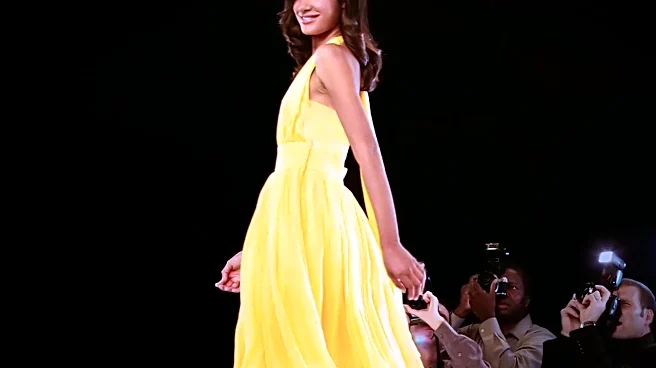
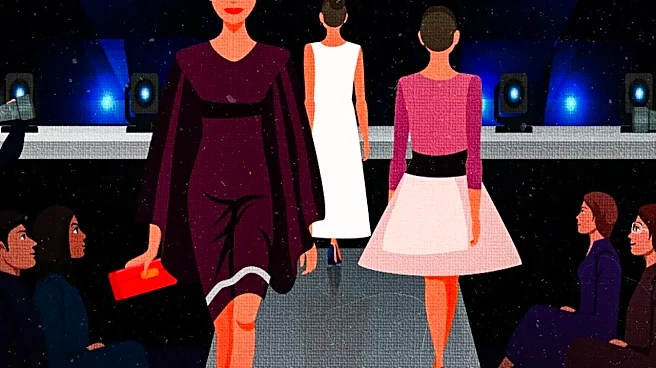
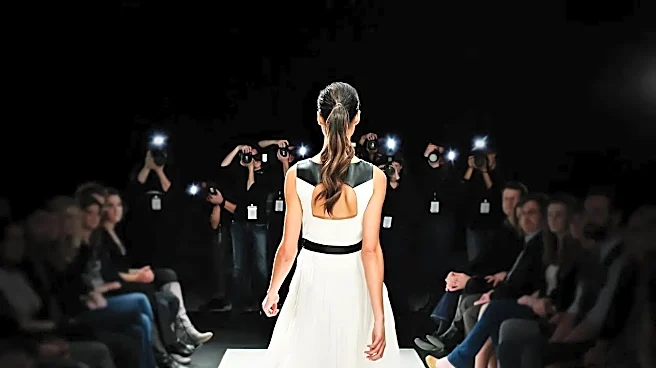
A garment on a static mannequin is one thing; a garment walking a runway is another entirely. A key check for the pattern cutter is how the fabric drapes and moves. They analyze the fabric's weight and properties to ensure it will flow, swing, or hold its shape as intended when the model is in motion. For a flowing gown, they check that the hem floats beautifully. For a tailored jacket, they ensure it maintains its structure without looking stiff. This check is about predicting the garment's performance under the runway lights, ensuring it comes to life and creates a memorable moment, not just a static picture.
5. Finalizing the Master Pattern
With all adjustments from the toile and fit sessions complete, the pattern cutter creates the master pattern. This is the definitive blueprint, usually made from card or thick paper, that will be used to cut the final, expensive fabric. Every detail must be perfect: seam allowances must be precise, notches for matching seams must align perfectly, and grainlines (which dictate how the pattern is placed on the fabric) must be exact to ensure proper drape. This master pattern is the culmination of all the previous checks and creative problem-solving. Any error here would be multiplied across the final garment, so precision is non-negotiable.
6. The Pre-Cutting Fabric and Layout Check
Before the scissors finally touch the runway fabric, one last series of checks occurs. First, the fabric itself is inspected for any flaws—stains, holes, or inconsistencies in color or texture. Then, the pattern cutter plans the layout, arranging all the pattern pieces on the fabric in the most efficient way to minimize waste, a process that is especially critical with expensive materials. They double-check that all pieces are aligned with the correct grainline and that any directional prints or naps (like velvet) are all facing the same way. This final check ensures that a costly mistake isn't made at the very last second before the garment is handed over to be sewn.