



Authenticity Over Assimilation
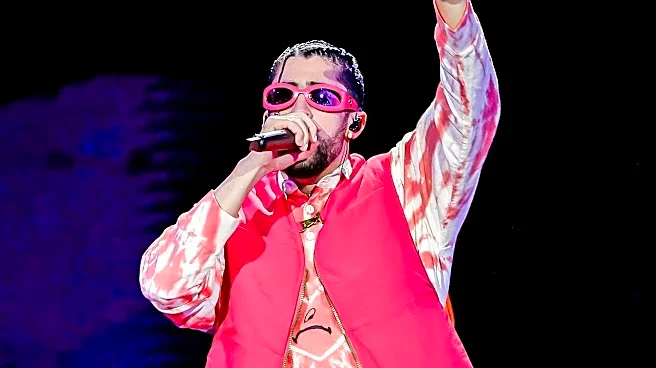
The old path to U.S. stardom for a Spanish-language artist involved a crossover: recording in English to reach the mainstream. Bad Bunny rejected this entirely. From the start, he has sung almost exclusively in Spanish, making his Puerto Rican identity,
slang, and cultural references the center of his art. Instead of being a limitation, this became his superpower. He proved that in a globally connected world, audiences don't need assimilation; they crave authenticity. His decision signaled a commitment to his community first, which in turn made his brand more, not less, attractive to a global audience. For sponsors, this is lesson number one: backing an artist who is unapologetically themselves creates a level of trust and loyalty that can't be manufactured. It’s a shift from targeting a demographic to joining a cultural movement.
The Genre-Fluid Fan Coalition
It's difficult to place Bad Bunny in a single musical category. He began in Latin trap but has since blended reggaeton with pop, hip-hop, and even traditional genres like plena and salsa. This musical fusion has attracted a uniquely diverse fanbase. His audience isn’t just one group; it’s a coalition of listeners who are themselves genre-fluid. They might love hip-hop, indie, and electronic music simultaneously. His audience has also evolved, with a significant increase in female listeners and an older demographic over the years, proving his appeal transcends typical age and gender boxes. This is the definition of “cross-market” appeal. It’s not just about crossing from Spanish to English markets, but about uniting fans across different tastes, backgrounds, and identities under one banner. Festival sponsors can learn that the most valuable audiences are no longer siloed by genre but are connected by a shared appreciation for artists who break boundaries.
A Walking, Talking Cultural Moment
Bad Bunny’s influence extends far beyond music. His bold fashion choices challenge gender norms, his vocal support for social issues in Puerto Rico creates a deep political connection, and his partnerships feel like genuine extensions of his personality. His collaborations, from Adidas and Gucci to Cheetos and Crocs, are rarely just an endorsement; they become cultural events. His Adidas partnership, for instance, is built on creative control, with every sneaker drop selling out instantly and generating millions in media value. Even his 2026 Super Bowl halftime performance was seen as a masterclass in branding, generating massive media impact. This illustrates that he isn’t just selling a product; he's inviting fans into his world. For brands, this means the most effective partnerships are ones that are deeply integrated into an artist's authentic story, not just slapped onto a stage banner.
The New Sponsorship Blueprint
So, what is the blueprint for festival sponsors? It's about shifting focus from demographics to cultural movements. Instead of seeing a “Latin artist” as a way to reach a “Hispanic market,” brands must recognize that artists like Bad Bunny represent a new, globalized youth culture. His audience values sustainability and has an urban mindset, interests that go beyond language. The playbook he offers is based on three core principles: 1. Prioritize authenticity over mass-market dilution. 2. Embrace the fluid, multi-faceted identities of modern fanbases. 3. Partner in a way that contributes to the artist's world, rather than just borrowing their cool. The rise of Latin music at festivals is undeniable, with Latino populations holding significant buying power and being more receptive to brands they encounter at live events. But the lesson from Bad Bunny is that the connection has to be real. It's not about checking a diversity box; it's about understanding what truly drives culture today.