


The Technique: What is a Bias-Cut?
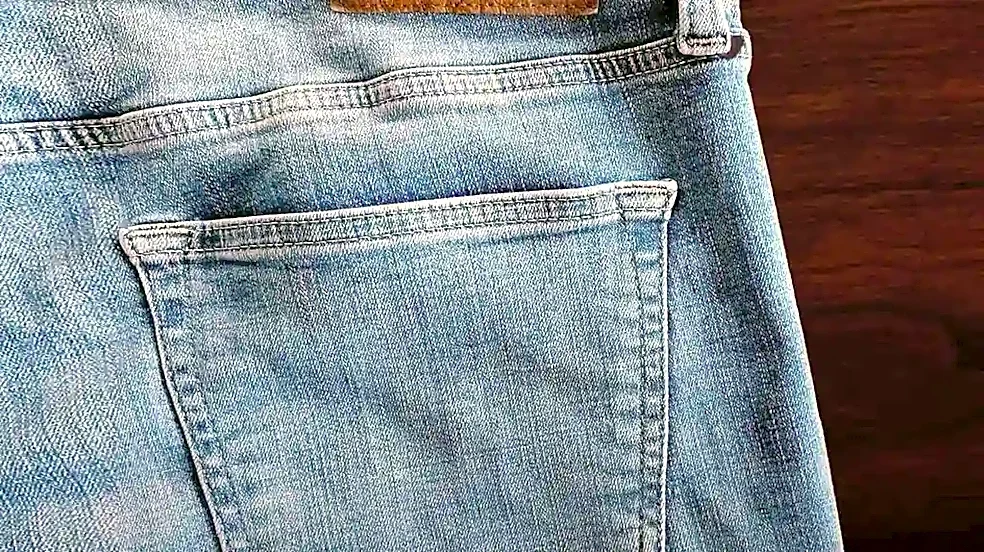
First, let's talk about the 'how'. A bias cut is a sewing technique, not a type of garment. Woven fabric has a grain, with threads running lengthwise (the warp) and crosswise (the weft). Most clothes are cut along these straight grains for stability.
To cut on the bias means to cut the fabric at a 45-degree angle to these grains. Why does this matter? This diagonal cut unlocks the fabric's hidden potential, giving it a natural stretch and a fluid, liquid-like drape that you can't achieve with a straight cut. It's a method famously mastered by French designer Madeleine Vionnet in the 1920s to create gowns that moved with the body.
The Style: What is a Slip Skirt?
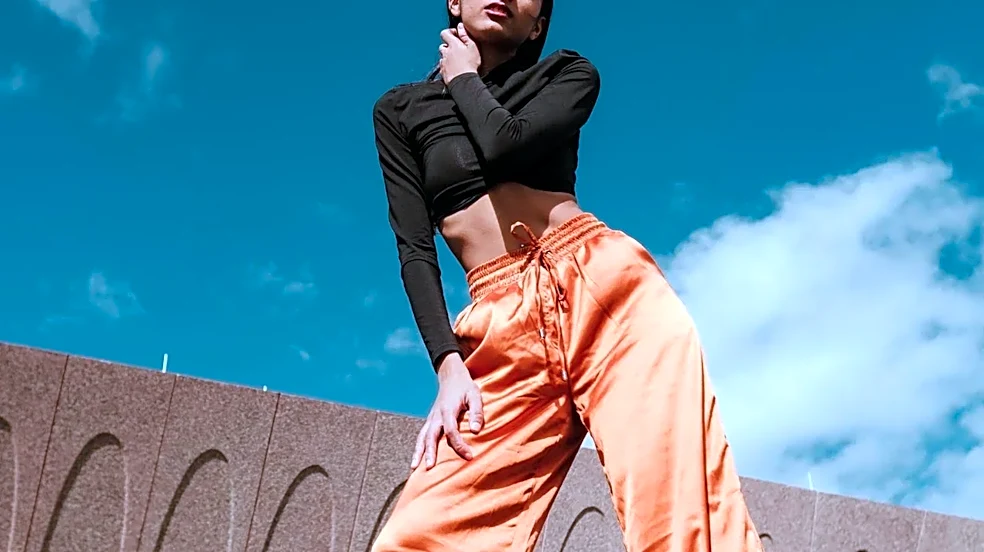
Now for the 'what'. A slip skirt is a style of skirt. Its design is borrowed from the simple undergarment or 'slip' that was historically worn under dresses and skirts for a smooth silhouette. As a standalone piece of outerwear, the slip skirt is typically minimalist, featuring an elastic or simple flat waistband and no bulky pockets or pleats. Usually made from a silky, lustrous fabric like satin, charmeuse, or silk, it became a 90s fashion staple, loved for its slinky, understated elegance that could be dressed up or down. Today, it remains a versatile wardrobe essential.
The Answer: One is How, The Other is What
Here’s where it all comes together: the two are not mutually exclusive. A slip skirt is the garment; a bias-cut is the method used to make it. The reason they're so often confused is that the most desirable slip skirts—the ones with that signature body-skimming drape and fluid movement—are almost always cut on the bias. The bias cut is what gives a simple slip skirt its famously flattering fit. However, you can have a bias-cut skirt that isn't a slip skirt (like a flared wool or plaid skirt), and you can technically have a slip skirt that isn't bias-cut—it just won't have the same elegant, flowing quality and might bunch or pull awkwardly.
Why the Cut Matters for Fit and Feel
Understanding this difference helps you become a smarter shopper. When a skirt is cut on the bias, it drapes and clings to your curves in a more forgiving way than a straight-cut garment. The inherent stretch allows for more movement and creates a silhouette that 'skims' the body rather than constricting it. This technique is why a simple piece of fabric can look so incredibly elegant and feel so comfortable. It hangs differently, it moves differently, and it catches the light in a way that accentuates its liquid-like flow. Garments cut on the bias often require more fabric and skill to produce, which can be reflected in the quality and price.
How to Style Your Go-To Skirt
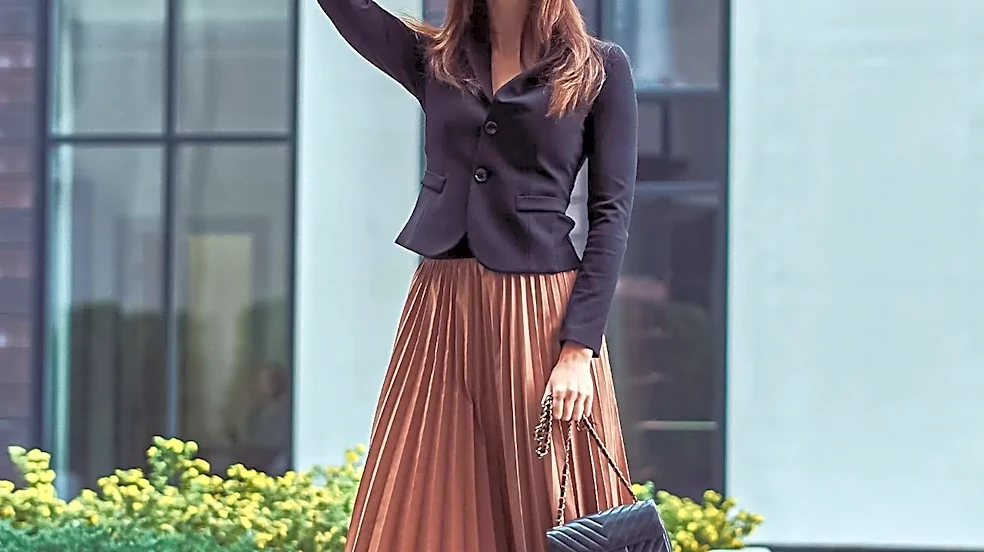
The beauty of the classic bias-cut slip skirt is its versatility. For a casual, everyday look, pair it with a simple white t-shirt or a chunky, oversized knit sweater and sneakers. This high-low combination feels effortlessly chic. To dress it up for the office or a dinner date, tuck in a crisp button-down shirt or a silky camisole and add a blazer. The skirt works with virtually any footwear, from ballet flats and sandals to ankle boots and heels. It's a foundational piece that can be toughened up with a leather jacket or kept soft and elegant with fine-knit tops and delicate jewelry.