




An Icon Born by Accident
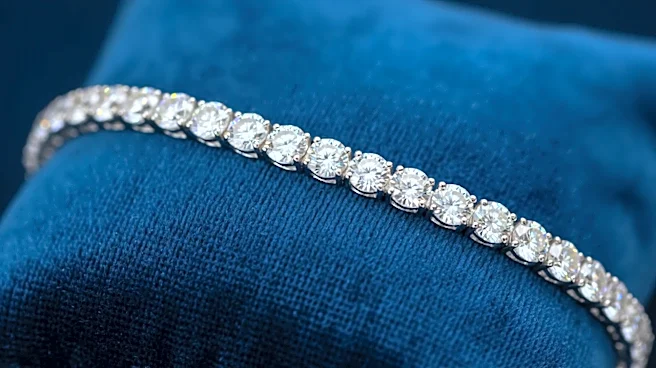
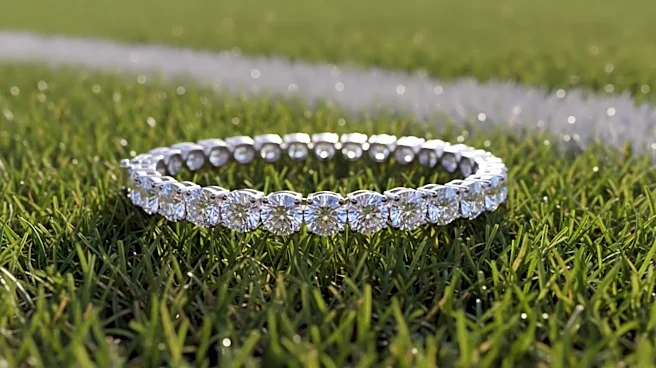
The story of the tennis bracelet begins not in a design studio, but on a tennis court. Before 1978, the piece was known by a more formal, if less exciting, name: the diamond line or eternity bracelet. It was a popular Art Deco style from the 1920s, a symbol
of unending love. That all changed during a match at the U.S. Open. American tennis champion Chris Evert, known for her on-court style, suddenly asked officials to pause the game. The clasp on her diamond bracelet had snapped, and the precious item was somewhere on the green court. The match stopped, a search ensued, and in that moment, a fashion legend was born. Evert began referring to it as her "tennis bracelet," the name stuck, and an entire category of jewelry was rebranded with a new, sporty glamour.
Decoding the Tenniscore Aesthetic
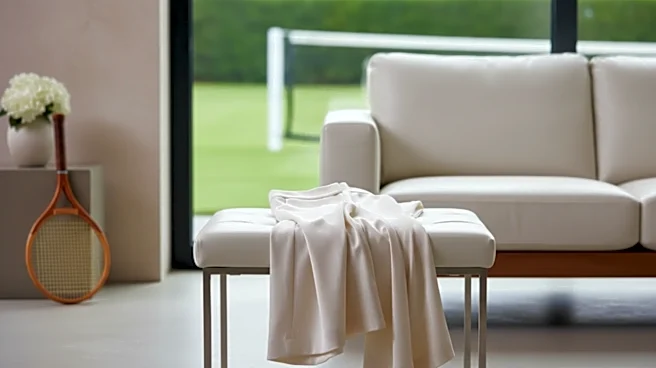
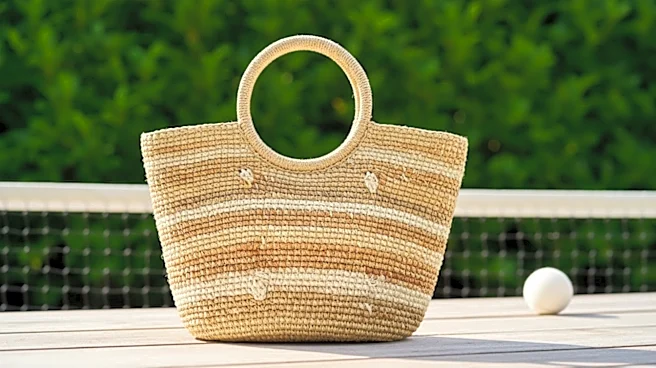
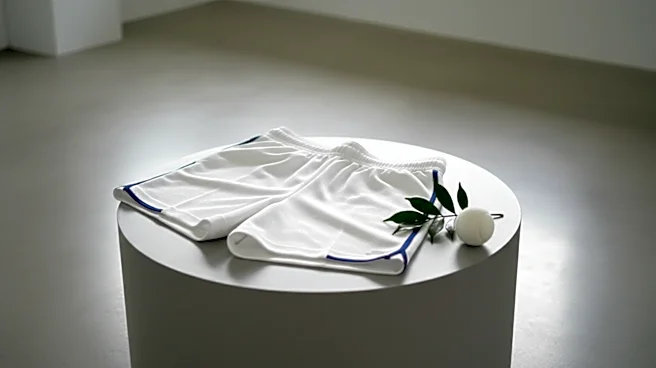
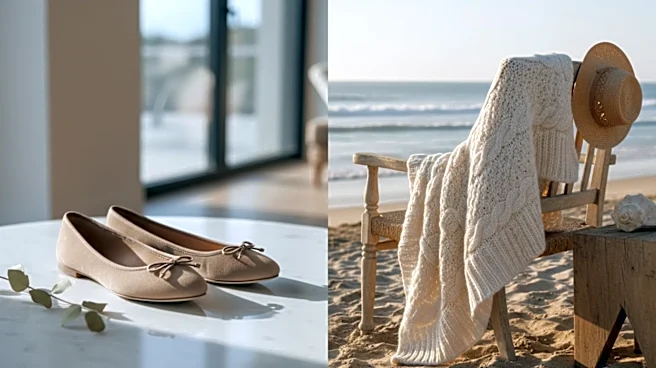
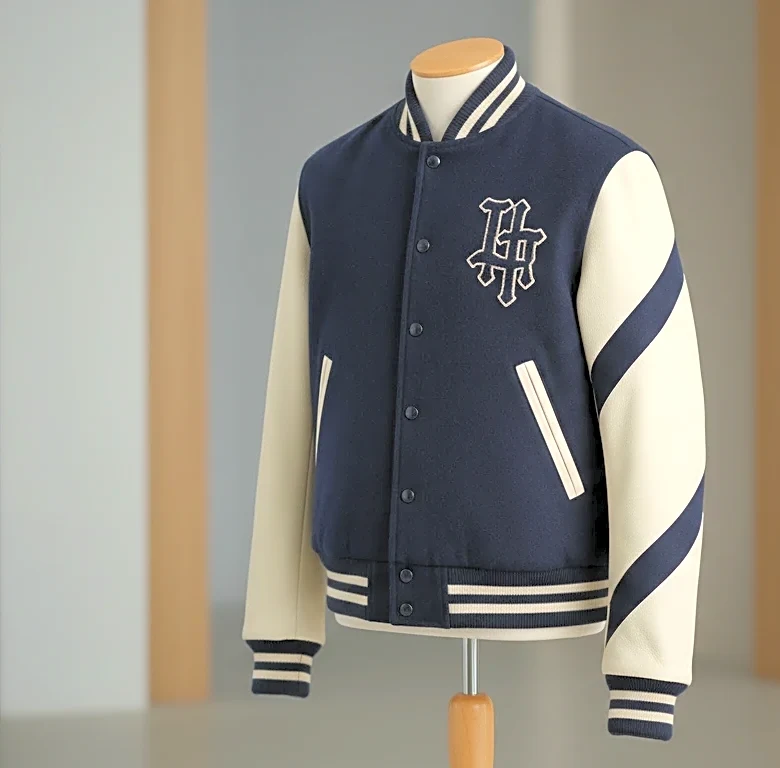
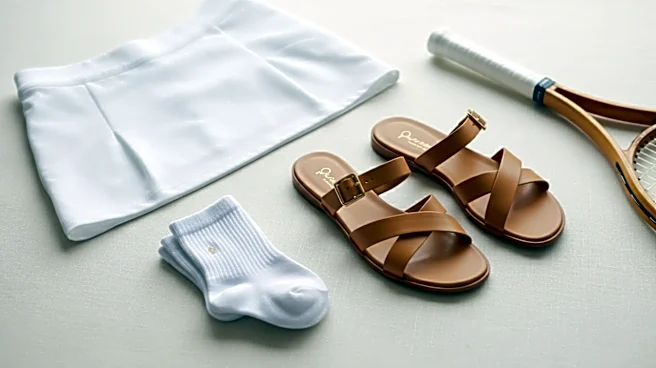
So, what exactly is "tenniscore"? It’s more than just wearing a pleated skirt. It’s a fashion movement that blends the polished, preppy heritage of country club style with the functionality of modern sportswear. Think clean lines, crisp fabrics, and a classic color palette of optic whites, creams, navy, and kelly green. Key pieces include polo shirts, cable-knit sweaters draped over the shoulders, classic court sneakers, and, of course, pleated skorts. The aesthetic taps directly into the current “quiet luxury” or “old money” trend, where quality and subtle refinement speak louder than logos. It’s not just about looking athletic; it’s about capturing a sense of easy, inherited elegance that feels both aspirational and timeless.
The Bracelet as the Ultimate Power Play
Within this uniform of understated classics, the tennis bracelet serves as the perfect anchor—the hero piece. Why? Because it embodies the central idea of tenniscore: the fusion of athleticism and luxury. A line of glittering diamonds is undeniably an object of high jewelry, yet its association with Chris Evert's mid-match mishap gives it a sporty, almost rebellious edge. It proved that fine jewelry didn't have to be saved for formal occasions; it could be worn with grit and sweat. The bracelet elevates a simple polo or a pair of white shorts, instantly making the look feel intentional and polished. It’s that single, transformative accessory that says you appreciate the finer things, but you’re not afraid to play. It bridges the gap between a casual outfit and a curated statement.
How to Style the Ace
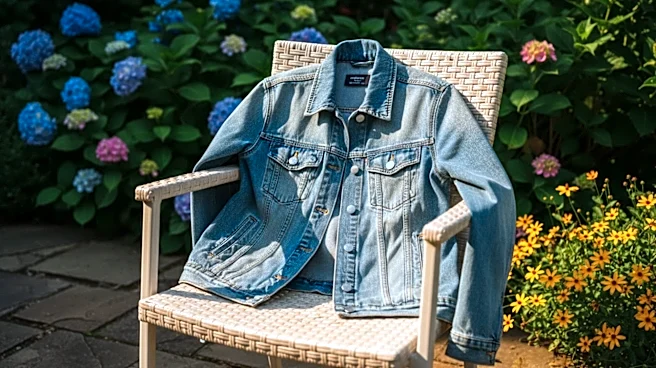
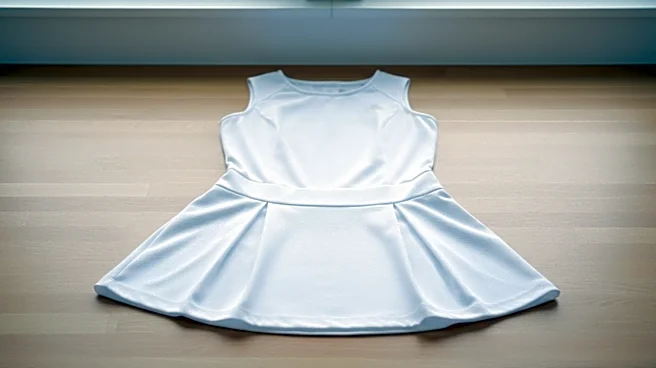
The beauty of the tennis bracelet is its versatility. It's one of the few pieces of fine jewelry that looks just as right with a t-shirt and jeans as it does with a black-tie gown. For a pure tenniscore look, let it be the solo star on your wrist, peeking out from the cuff of a crisp white shirt or paired with a simple workout dress. It also layers beautifully. You can stack it with a classic watch for a more substantial, powerful look—just ensure the metals complement each other and there's a slight gap to prevent scratching. Or, for a more modern take, mix and match a classic diamond bracelet with other styles, like beaded bracelets or a simple gold chain, to add texture and personality. The key is to wear it with the same effortless confidence Evert showed on the court; it’s a piece meant for living in, not just for looking at.