




The Curse of the Polished Paradise
When the first trailers for Disney's live-action 'Moana' remake hit the internet, the reaction was swift and, for many, deeply concerned. Instead of the lush, vibrant world they remembered from the 2016 animated classic, fans saw visuals they described
as desaturated, overly digital, and even compared to an "AI-generated parody." This backlash taps into a growing fatigue with Hollywood's blockbuster aesthetic, where the line between live-action and a high-end video game cutscene becomes increasingly blurred. The fear is that in the quest for photorealism, the soul of the story gets lost. For a film like 'Moana,' whose setting is as much a character as Moana or Maui, a Motunui that feels like a generic digital backdrop instead of a home would be a critical failure. This 'curse of the polished remake' is what the 'Moana' production team seems determined to break.
The Unspoken Rule: Prioritize Authenticity
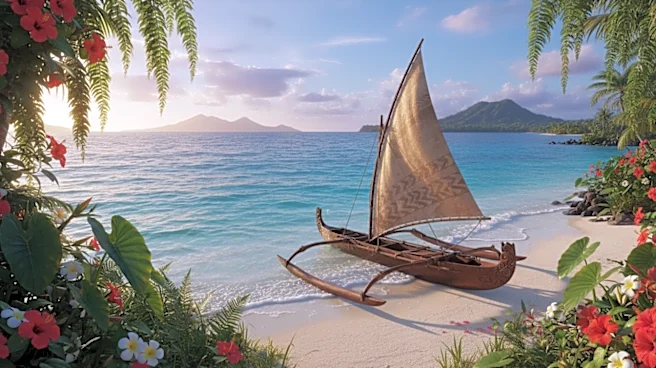
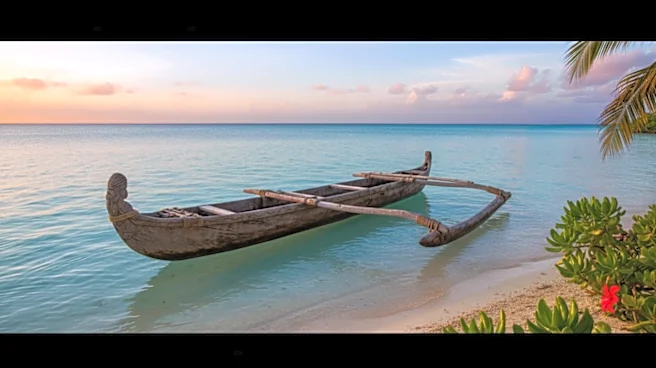
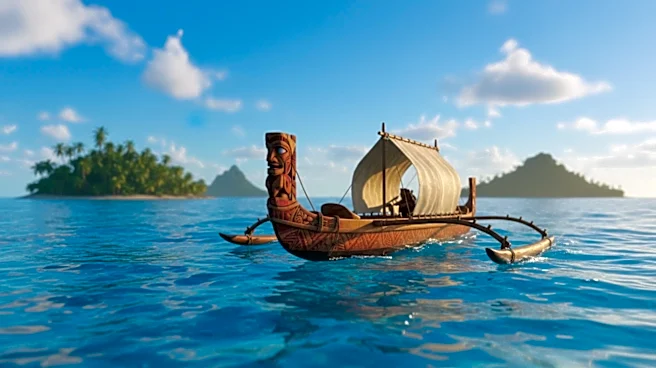
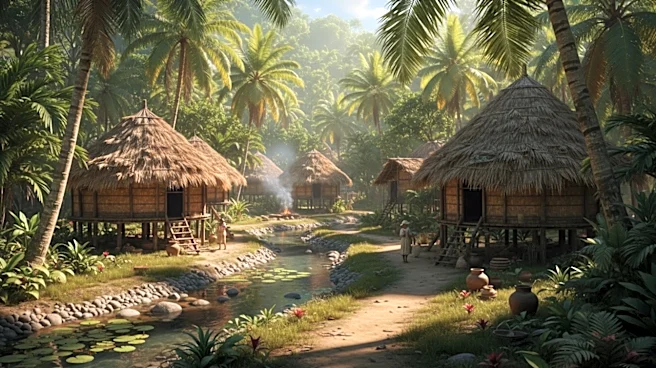
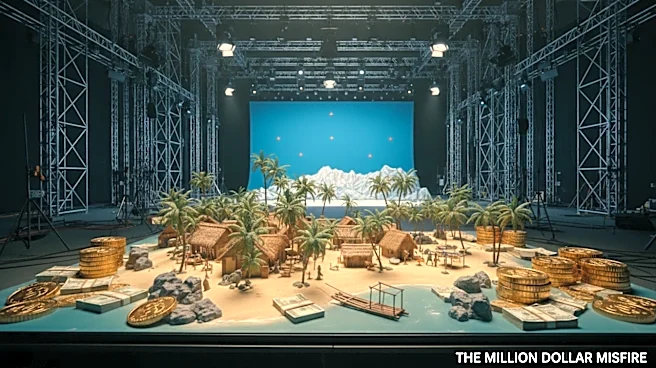
So, what’s the secret weapon? While there’s no official mandate written on a whiteboard, the production is governed by a powerful philosophy: prioritize tangible reality and cultural authenticity. Instead of relying entirely on green screens, the crew built a full-scale village for Motunui. This isn't just about creating a pretty set; it's about building a world that feels tangible for the actors and, by extension, the audience. Set photos have revealed life-size, practical voyaging canoes, known as wa'a kaulua, ready for action on the water. This commitment extends beyond physical objects to the very spirit of the film. Cultural advisors from the Oceanic Story Trust, who were integral to the original film's respectful portrayal of Polynesian culture, were brought back to guide the live-action version. This focus on getting the real-world details right is the core 'rule' designed to anchor the film's fantasy in something profoundly true.
Finding Magic in the Imperfections
A perfectly polished world is often a lifeless one. The real magic of making a place feel inhabited lies in its imperfections. This design philosophy means that instead of perfectly symmetrical huts, we should see structures that look hand-built and weathered over time. The pathways through the village shouldn't be pristine; they should be worn down by generations of footsteps. The tools, the boats, and the fabrics should all carry the subtle story of their use. This is the difference between a theme park and a home. The animated 'Moana' was a masterpiece of stylized beauty, but live-action demands a different kind of detail. One analyst noted that embracing "real-world environmental dirt" is what deepens character empathy and hardens the stakes. By focusing on this lived-in texture, the filmmakers aim to create an emotional connection to Motunui that a flawless CGI environment could never achieve.
A High-Stakes Balancing Act
Despite the commitment to practical sets, translating a story this fantastical is a monumental balancing act. The film must still rely on heavy visual effects for everything from the sentient Ocean to the monstrous Tamatoa and Maui's shape-shifting abilities. And early reactions show the risks of this hybrid approach. The online debate around Dwayne Johnson's wig and bodysuit for Maui highlights the challenge of the 'uncanny valley,' where something looks almost real, but just 'off' enough to be jarring. The success of 'Moana's' world-building will ultimately depend on how seamlessly the practical, textured sets blend with the ambitious digital effects. The production's grounding 'rule' provides a strong foundation, but it's a constant battle against the sterile pull of CGI. The goal is a world where the audience can't see the seams—where the real village and the magical ocean feel like they belong to the same story.