
First, What Is a Protein Treatment?
At its core, your hair is made of a tough protein called keratin. Factors like heat styling, chemical processing (coloring or relaxing), and even sun exposure can break down this protein, creating gaps in the hair shaft. This leads to weakness, frizz,
and breakage. A protein treatment works by depositing proteins—like hydrolyzed keratin, collagen, or silk amino acids—onto the hair to temporarily patch these gaps. This reinforces the hair's structure, making it stronger and more resilient from the outside in. It’s essentially a support system for your strands, helping to prevent further damage.
Who Actually Needs One?
Not everyone's hair needs a protein boost. In fact, using one unnecessarily can cause problems. You're a prime candidate for a protein treatment if your hair shows specific signs of distress. If your hair has high porosity, meaning it absorbs and loses water quickly leading to frizz, a protein treatment can help seal the cuticle. Other key indicators include hair that feels limp, mushy, or sticky when wet, has lost its natural curl or wave pattern, or snaps easily when gently stretched. If you frequently color, bleach, or heat style your hair, you are almost certainly a good candidate for regular, but not excessive, protein reinforcement.
The Process: At the Salon vs. At Home
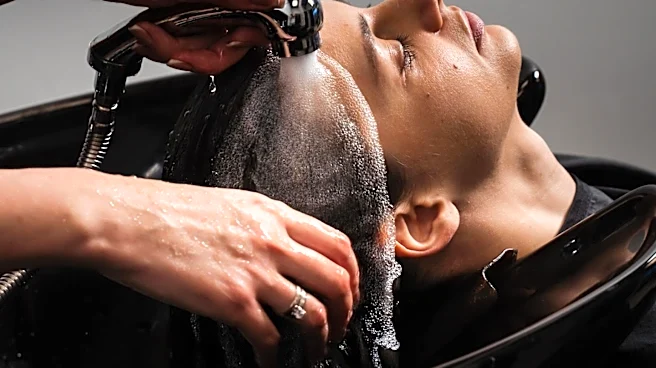
A professional treatment is often more potent and effective. A stylist will first assess your hair's specific needs. The process typically involves washing with a clarifying shampoo, applying the protein product meticulously, and often using heat or steam to help the formula penetrate the hair shaft deeply. At-home masks and treatments are great for maintenance but are generally less concentrated. They can help maintain your hair's strength between salon visits but may not produce the dramatic, long-lasting results of a professional service.
The Signs of a Job Well Done
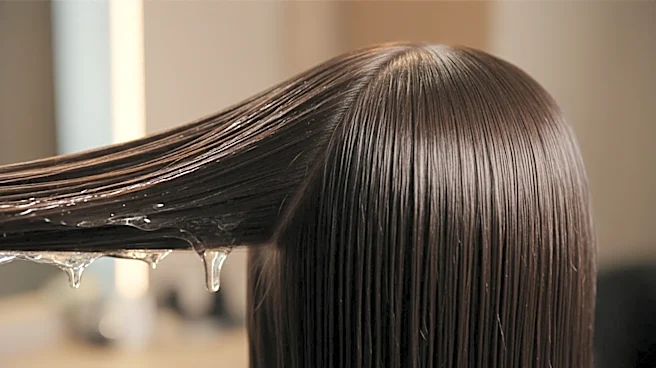
When a protein treatment is done right, the results are noticeable but balanced. Your hair should feel stronger and have improved elasticity—it will stretch slightly then bounce back when wet, not snap. You'll notice a reduction in breakage and shedding. Visually, hair appears smoother and shinier, as the treatment has helped flatten the cuticles. For those with curls, a proper treatment can make them more defined and bouncier. The key takeaway is that your hair feels fortified and healthy, not stiff, coated, or heavy.
Red Flags: When Good Protein Goes Bad
It is possible to have too much of a good thing. This is known as protein overload, and it happens when the protein-moisture balance in your hair is thrown off. Instead of feeling soft and strong, hair with too much protein becomes brittle, stiff, and straw-like. It loses its elasticity and will snap with very little tension. It may look dull, feel dry despite conditioning, and tangle easily. If your hair feels worse after a protein treatment—harder, rougher, and more prone to breaking—you've likely overdone it. The fix involves using a clarifying shampoo and focusing exclusively on moisturizing products until the balance is restored.