





The Legend of 'Rosebud'
The mythos of Citizen Kane is inseparable from its central mystery: the dying word of publishing tycoon Charles Foster Kane. As he breathes his last in the film's opening moments, he utters a single, cryptic word: "Rosebud." This kicks off a journalistic
investigation to uncover the word's meaning, forming the entire structure of the film. The legend goes that this pivotal moment, the key to the whole movie, wasn't in the script but was a stroke of spontaneous genius from Welles on set. The story fits perfectly with Welles's reputation as a mercurial artist who, as he put it, presided over "divine accidents" in his filmmaking. It’s a compelling tale that enhances the mystique of both the man and the movie.
The Myth: A Spontaneous Stroke of Genius
The version of the story that has circulated for decades suggests that during the filming of Kane's death scene, Welles, in a flash of inspiration, came up with "Rosebud" to give the scene its haunting power. This narrative paints a picture of a director so deeply in tune with his character that he could channel Kane's deepest secrets in the heat of the moment. This idea is bolstered by Welles's known clashes with the studio and his larger-than-life personality. He was an artist who broke rules, so it seems plausible that he would treat the screenplay as more of a suggestion than a blueprint. The idea that the film's most iconic element was an ad-lib makes for a fantastic piece of Hollywood lore.
The Reality: A Meticulously Crafted Script
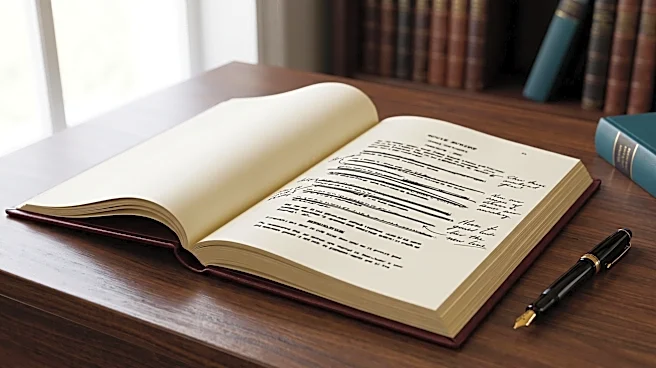
The truth, however, is far less spontaneous but no less fascinating. The word "Rosebud" was not an improvisation. It was the carefully chosen centerpiece of the screenplay, co-written by Herman J. Mankiewicz and Orson Welles. The script, which earned both men an Academy Award, was the result of a long and sometimes contentious process. Mankiewicz, a brilliant but troubled screenwriter, wrote the bulk of the initial drafts, with Welles making significant revisions and additions. The entire narrative—a reporter's search for the meaning of Kane's final word—was built around the "Rosebud" device. Far from being an accidental masterstroke, it was the very foundation of the story, conceived long before cameras started rolling.
So, What Was Improvised?
While Welles was a firm believer in preparation and would meticulously plan his shots, he also created an environment where actors could find their own interpretations. He famously allowed actors to bring their own ideas to rehearsals, which could then be incorporated into the script. However, the core narrative and dialogue of Citizen Kane were tightly scripted, largely due to the film's complex, non-linear structure that relied on precise narrative cues. The authorship of the script itself became one of Hollywood's most famous controversies, with Mankiewicz fighting for credit after initially being hired to write it without attribution. This battle over a meticulously written screenplay is the strongest evidence against the improvisation of its most crucial line.
Why the Myth Endures
The legend of an improvised "Rosebud" persists because it speaks to our romantic idea of creative genius. We want to believe that great art can be conjured from thin air, a product of pure, untamable inspiration. The myth also perfectly burnishes the image of Orson Welles as a maverick who could do no wrong, an artist whose instincts were so sharp they could rewrite cinematic history in a single take. In the end, the story of "Rosebud" is not about improvisation but about the power of a single, perfect word. It symbolizes lost innocence and the ultimate inability of anyone to truly understand another person's life—a theme underscored when the reporter gives up, concluding, "I don't think any word can explain a man's life."