





Your Brain on 'Just One More Episode'
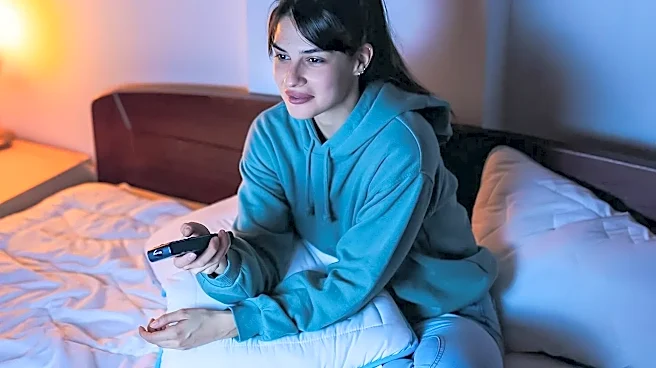
When you settle in for a late-night streaming session, you're kicking off a cascade of biological events. The main culprit is the blue light emitted from your TV, tablet, or laptop. This specific wavelength of light is particularly effective at tricking
your brain into thinking it's still daytime. It does this by suppressing the production of melatonin, the hormone your body releases to signal that it's time to wind down and feel sleepy. Research shows that just a couple of hours of screen time in the evening can significantly delay melatonin release, pushing your internal body clock, or circadian rhythm, later. Beyond the light itself, the content you're watching plays a huge role. Gripping plotlines, cliffhangers, and emotionally charged scenes create a state of 'pre-sleep arousal.' Instead of calming down, your brain becomes highly stimulated and alert, making it much harder to transition into sleep even after you turn the screen off.
The True Cost of a Lost Night
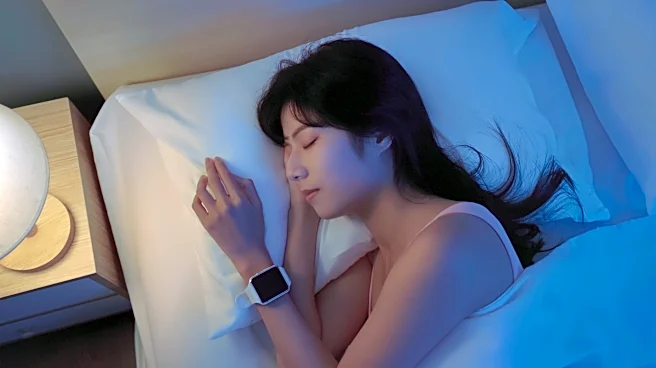
The morning after a binge often brings more than just spoilers; it brings the fog of sleep deprivation. Losing even a few hours of quality rest can significantly impair cognitive function, affecting your concentration, memory, and decision-making skills the next day. Studies show that sleep-deprived individuals are more prone to mental lapses and have slower reaction times. Emotionally, a lack of sleep can leave you irritable, anxious, and with a shorter fuse. That feeling of being groggy and 'off' isn't just in your head; your body's essential repair processes, which happen during deep and REM sleep, have been cut short. Chronic sleep loss is even linked to more serious long-term health issues, including weight gain and a higher risk for cardiovascular problems. So while one late night might seem harmless, consistently trading sleep for screen time accumulates a 'sleep debt' that's hard to repay.
How to Binge Smarter, Not Harder
Let's be realistic: sometimes, you're going to watch that premiere. The key is to do it strategically. First, plan your binge. Decide in advance how many episodes you'll watch and stick to it. Don't let the autoplay feature make the decision for you. Second, create a 'sleep runway' by stopping all screens at least 30 to 60 minutes before you intend to sleep. This gives your brain time to start producing melatonin and wind down naturally. During your binge, reduce the screen's brightness and enable any 'night mode' or blue-light-filtering settings. While not a perfect solution, it can help lessen the impact. It’s also wise to avoid watching in your bedroom. Your brain should associate your bed with sleep, not with the suspense of a season finale. Keeping tech out of the bedroom is a core tenet of good sleep hygiene.
Damage Control for the Day After
So you did it. You stayed up way too late. Don't panic; the next day is about recovery. When your alarm goes off, resist the urge to hit snooze. Those extra few minutes of fragmented sleep can actually make you feel groggier. Instead, get up and expose yourself to bright, natural sunlight as soon as possible. This helps reset your internal clock and signals to your body that the day has begun. Hydration is also key, as fatigue can be worsened by dehydration. While it's tempting to mainline coffee, try to avoid caffeine overload, especially in the afternoon, as it can disrupt the following night's sleep. If you have the chance to nap, keep it short—around 20 minutes is ideal. This can provide a quick boost of alertness without making it harder to fall asleep later. The main goal is to get back to your regular sleep schedule as quickly as possible.