
The Smirking Start
When The Daily Show premiered on Comedy Central in 1996, it was a different beast entirely. Hosted by the suave and sardonic Craig Kilborn, the original incarnation was more concerned with pop culture
absurdities than political hypocrisy. With segments like "Five Questions" and its signature "Your Moment of Zen," the show established a beachhead in late-night with a tone that was more smirking than biting. It was a parody of local news, a lighthearted jab at the format itself. It was funny, it was fresh, but it wasn't yet the force it would become. The show was finding its footing, proving that a fake news broadcast could attract an audience, but the political and cultural earthquake was still to come.
The Stewart Revolution
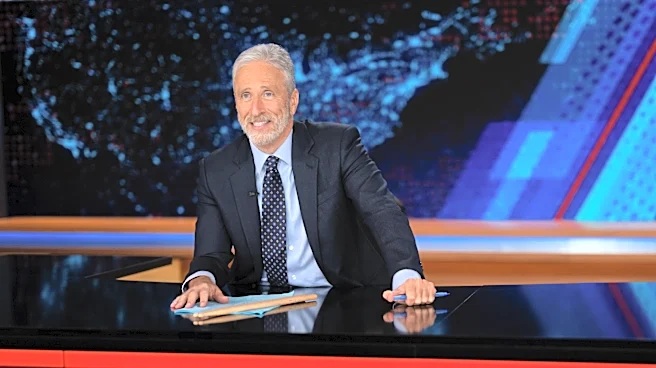
Everything changed in 1999 when Jon Stewart took over the anchor’s desk. Where Kilborn was detached and cool, Stewart was passionate and exasperated. He turned the show’s focus squarely toward politics and the media that covered it. The timing was perfect. In an era of increasing cable news polarization and post-9/11 uncertainty, Stewart’s “fake news” became, for many, a more trusted source than the real thing. He wasn’t just telling jokes; he was performing a public service by calling out hypocrisy and misinformation, regardless of party lines. His special coverage of the 2000 election, dubbed "Indecision 2000," earned the show its first Peabody Award and cemented its new identity. Viewers, particularly younger ones, flocked to the show not just for entertainment, but for clarity. Stewart’s greatest weapon was his refusal to accept spin, famously telling the hosts of CNN’s Crossfire they were "hurting America" by engaging in partisan theater instead of honest debate.
A New Kind of Newsroom
Under Stewart, The Daily Show became an unlikely but formidable journalism-adjacent institution. It deconstructed news clips, exposed political spin, and held powerful figures accountable in ways traditional news outlets often seemed unable or unwilling to do. Studies from the 2000s showed a remarkable trend: a growing percentage of people under 30 were getting their campaign news from comedy shows like The Daily Show. It wasn't just about laughter; one analysis found that the show contained as much substantive information as network newscasts, just framed with humor instead of sensationalism. The show also became a launchpad for an entire generation of comedic talent, with correspondents like Stephen Colbert, Steve Carell, John Oliver, Samantha Bee, and Hasan Minhaj going on to become major stars in their own right. It created an entire ecosystem of satire, spawning direct spin-offs like The Colbert Report and influencing the DNA of shows like Last Week Tonight.
The Legacy and The Next Chapter
When Trevor Noah took the helm in 2015, he brought a necessary evolution. As a younger, South African comedian, Noah offered a more global, millennial perspective, adapting the show's voice for a new era of social media and global interconnectedness. He steered the ship through another tumultuous period in American politics, earning two Emmys before his departure in 2022. Today, with Stewart back on Monday nights and a rotating cast of talented guest hosts, the show continues to adapt. Its ultimate legacy, however, is clear. The Daily Show didn’t just make fun of the news; it changed our relationship with it. It proved that satire wasn't just a diversion but a vital tool for civic engagement. It demonstrated that a comedy show could have a serious, lasting impact on the national conversation, reshaping what television—and comedy itself—could aspire to be.