




The Golden Rule of Editing
There's a famous piece of style advice, often attributed to Coco Chanel: 'Before you leave the house, look in the mirror and take one thing off.' While its exact origin is debated, the wisdom is timeless. This isn't a strict command to embrace minimalism,
but rather a call to practice the art of refinement. Think of it as the final edit. Just as a writer cuts an unnecessary word to make a sentence stronger, removing one accessory can make an entire look more powerful and intentional. Over-accessorizing can make an outfit look cluttered or like you're trying too hard. The goal is to create a look that feels polished and confident, and sometimes, that means knowing when to stop.
Let Your Statement Piece Shine
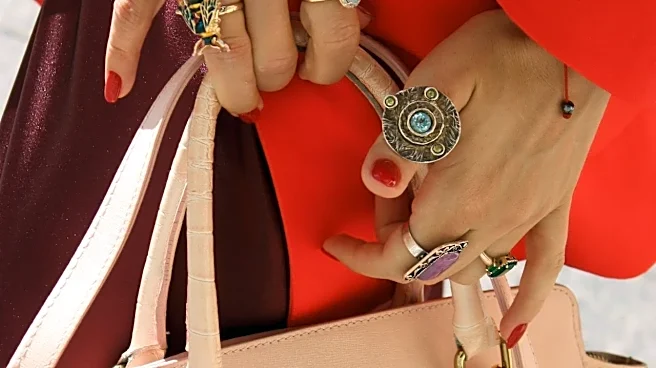
Great style is about creating a focal point, not a competition. When you wear a bold necklace, statement earrings, a vibrant bag, and a chunky watch all at once, no single item gets the attention it deserves. They end up competing with each other, creating visual noise that can overwhelm your outfit. The solution is to choose one 'hero' accessory and let it be the star. If you're wearing a pair of dramatic earrings, consider skipping the necklace. If a colorful, structured handbag is your main focus, keep the rest of your jewelry simple and understated. This doesn't mean you can only wear one accessory; it means you should allow one piece to take the lead while the others play a supporting role. This creates balance and ensures your look feels cohesive, not chaotic.
The Psychology of 'More'
The impulse to add just one more thing is common. Often, it stems from a lack of confidence in the outfit itself, a feeling that it's too plain or boring without more adornment. We might also pile on accessories because we love all our things and want to wear them at once. But style isn't about accumulation; it's about curation. An outfit overloaded with accessories can sometimes signal insecurity rather than style savvy. By consciously deciding to remove an item, you're making a choice for clarity and impact. It’s a move that says, 'I am confident in my choices, and this outfit is complete.' True style comes from feeling authentic and comfortable, not from displaying every trend or treasured item you own.
A Practical Guide to Subtraction
So, how do you decide what goes? Stand in front of the mirror and take a quick assessment. What was the last thing you put on? Often, it's the one you can live without. Consider the balance of your outfit. If your clothing is heavily patterned or textured, simpler accessories work best. If you're wearing a high-necked top, a necklace might be redundant; let statement earrings or a cool belt do the work instead. Pay attention to proportion. A delicate outfit can be overpowered by heavy, chunky jewelry. The goal is to create a look where every piece serves a purpose. If an accessory doesn't add to the story or actively competes with another element, it's likely the one to remove. This final, deliberate act of subtraction is what separates a good outfit from a great one.