



1. The High-Waisted, Wide-Leg Trouser
For the better part of two decades, menswear was dominated by the slim-fit, low-rise pant. That era is definitively over. Across the Paris runways, the most persistent and powerful statement was the high-waisted, wide-leg trouser. At Loewe, Jonathan Anderson
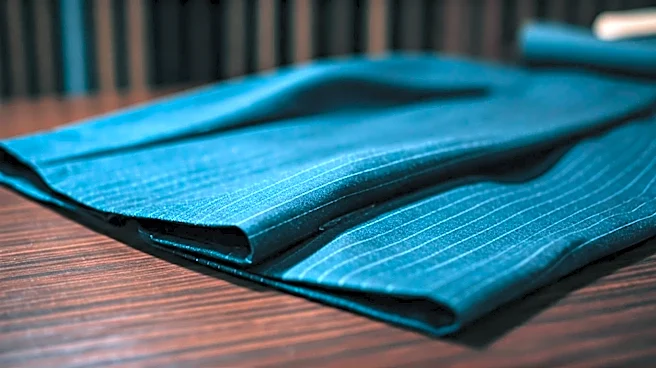
sent out pants so high they were practically ribcage-grazers, creating an elongated, almost surreal leg line. Dries Van Noten offered a softer, more fluid version that pooled elegantly around the ankle, while Dior Men showed crisp, pleated styles that felt both classic and utterly modern. This isn't just a nostalgic nod to the '40s or '70s; it’s a fundamental shift in the male form. The silhouette prioritizes comfort, movement, and a new kind of elegance that feels less restrictive and more confident. It’s a quiet rebellion against the constricting norms of the recent past, suggesting a man who is comfortable taking up space.
2. The Soft, Deconstructed Blazer
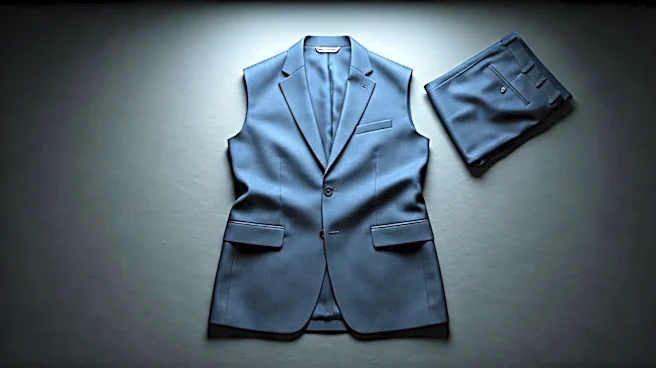
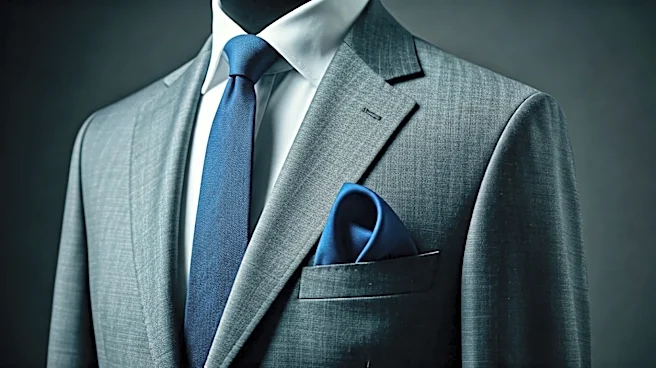
If the pants went wide, the tailoring on top went soft. The dominant blazer of the season was anything but the sharp, padded-shoulder power suit of Wall Street yore. Instead, designers favored an unlined, unstructured jacket that draped like a cardigan. Think of it as the 'anti-blazer.' At labels like Ami and Officine Générale, these jackets were crafted from lightweight wools and linens, designed to be thrown on over a simple tee or knit polo. They lacked the rigid internal structure (goodbye, heavy canvas and shoulder pads) that defined traditional suiting, giving them a relaxed, lived-in quality. This silhouette matters because it perfectly captures our hybrid work-life reality. It’s a piece that signals professionalism without sacrificing the comfort we’ve all grown accustomed to. It’s tailoring that moves with you, not against you, reflecting a modern masculinity that values ease and approachability over stiffness and authority.
3. The Long, Flowing Coat
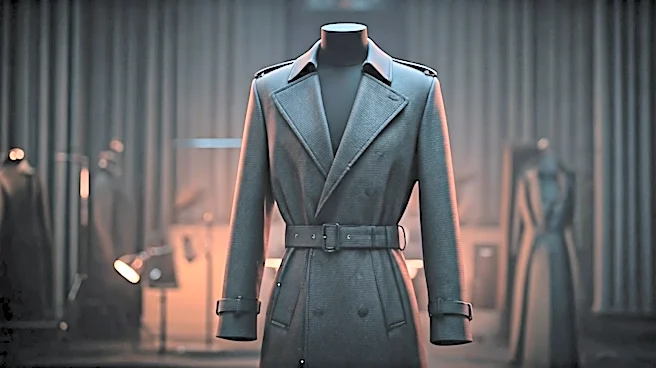
Drama was delivered in length. Whether it was a trench, an overcoat, or a duster, the mandate from Paris was clear: make it long. Rick Owens, the master of dark romance, presented sweeping, floor-dusting coats that felt both protective and monastic. At Valentino, beautifully cut coats in serene colors fell well below the knee, creating a graceful, columnar shape. Even at Louis Vuitton, under Pharrell Williams' pop-inflected vision, longline jackets added a sense of gravitas to more casual looks. This silhouette is about creating a powerful, mobile frame. A long coat billows and moves as you walk, creating a cinematic presence. It’s a statement of intent, a piece of wearable architecture that commands attention not through aggressive details but through its sheer, elegant volume. It suggests a man who is thoughtful and deliberate, whose style is about quiet impact rather than loud pronouncements.
4. The Refined Workwear Uniform
Utilitarianism has been a menswear staple for years, but the Parisian take was less about rugged Americana and more about a sophisticated, almost minimalist uniform. Designers elevated classic workwear shapes—the chore coat, the cargo pant, the field jacket—with luxurious fabrics and precise tailoring. Kim Jones at Dior Men was a master of this, showing multi-pocketed vests and jackets in subtle, stony hues that felt more like high-concept design objects than functional gear. Similarly, brands like Kenzo explored the workwear archetype but stripped it back, focusing on clean lines and a monochromatic palette. This matters because it reflects a desire for practicality and longevity in a post-trend world. Consumers want clothes that are both beautiful and useful. This refined workwear silhouette offers a solution: the timeless functionality of a uniform, but executed with the craft and consideration of high fashion. It's an investment in style that works.