





Your TV Screen and the Billions Behind It
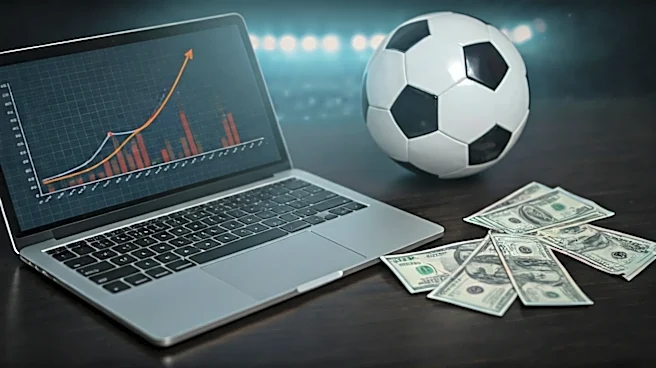
The single biggest reason the World Cup is a global phenomenon is because you can watch it. That access, however, is the result of colossal business deals. FIFA’s largest revenue stream comes from selling broadcasting rights. For the 2019-2022 cycle,
which included the men’s World Cup in Qatar, television rights alone accounted for over $3.4 billion. Networks in the U.S. like Fox and Telemundo pay staggering sums for exclusivity. This money is the engine of everything. It dictates kickoff times—often adjusted to maximize viewership in lucrative European and American markets. It determines the quality of the production, from the number of camera angles to the sharpness of the 4K picture. And it decides whether you can watch for free on network TV or need a premium cable or streaming subscription. Every time you tune in, you’re interacting with a decision made in a boardroom years earlier.
The Price of Your Passion
Look around the stadium or your local sports bar during a match. You’ll see a sea of jerseys, scarves, and official tournament merchandise. This isn’t just fan spirit; it’s a critical pillar of the World Cup’s business model. Corporate sponsors like Adidas, Coca-Cola, and Visa pay hundreds of millions to be the “official” partners of the tournament. Their logos are plastered on everything from the perimeter boards to the referees’ uniforms. This partnership gives them the exclusive right to use tournament branding, driving sales of their products. When you buy an official team jersey for $100+, a portion of that money flows back through a complex chain to the manufacturer, the national federation, and indirectly, to FIFA. This revenue stream is meant to fund the event's massive operational costs and support soccer development programs worldwide. So, that jersey isn't just a piece of clothing; it's a fan's direct, if small, investment into the game's financial ecosystem.
Why the Cup Goes Where It Goes
Perhaps the most controversial business decision of all is where the tournament is held. The selection of a host nation is a geopolitical and economic firestorm. Countries spend tens of millions on their bids alone, promising state-of-the-art stadiums, massive infrastructure upgrades (airports, hotels, public transit), and flawless security. Why? For the host, it's a chance to project soft power on the world stage and, they hope, reap a tourism and investment windfall. For fans, this decision has immediate consequences. The choice of Qatar for 2022, for example, meant a first-ever winter World Cup to avoid the extreme summer heat, fundamentally disrupting league schedules across Europe. It also brought intense scrutiny over labor rights and logistical challenges for traveling fans. The location dictates travel costs, cultural experiences, and the very atmosphere of the tournament. The host city isn't chosen for the fans' convenience; it's chosen for strategic and financial reasons that fans simply have to live with.
How Money Shapes the Team on the Field
Ultimately, fans care most about the quality of the soccer. And here, too, the money trail leads directly to the pitch. A significant portion of FIFA's revenue is distributed back to its 211 member associations. This is called the FIFA Forward program, and it allocates millions of dollars to each country to fund the game's growth. For a smaller nation, this funding can be a lifeline. It pays for coaching certifications, youth academies, national training centers, and travel for youth national teams. A well-managed federation can use these funds to build a competitive program from the ground up, identifying and nurturing talent that might otherwise be missed. A federation flush with World Cup qualification money can afford better coaches, sports scientists, and preparation for its senior team. While money can't buy chemistry or heart, it absolutely buys the infrastructure that gives talent a chance to succeed. The underdog story you love to watch might have been made possible by a wire transfer from Zurich.