


It’s All in the Ribs
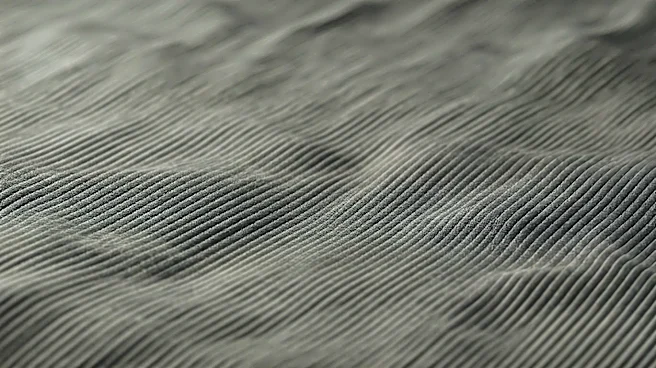
The secret to the ribbed top’s success begins with its very structure. Unlike a standard flat-knit t-shirt, a ribbed knit is created with alternating vertical columns of knit and purl stitches. This simple variation creates a fabric with remarkable properties.
The “ribs” give the material a natural, accordion-like elasticity that allows it to stretch significantly without needing a high percentage of synthetic fibers like spandex. More importantly, it has excellent “recovery,” meaning it snaps back into shape after being stretched. This built-in give is what makes the top so universally flattering. It hugs the body’s contours without constricting, creating a smooth silhouette that’s neither baggy nor uncomfortably tight. While a cheap, thin t-shirt can cling in all the wrong places, a quality ribbed knit offers structure and texture, skimming the body in a way that feels both secure and comfortable. It’s a small feat of textile engineering that provides a superior fit right off the rack.
The Ultimate Style Chameleon
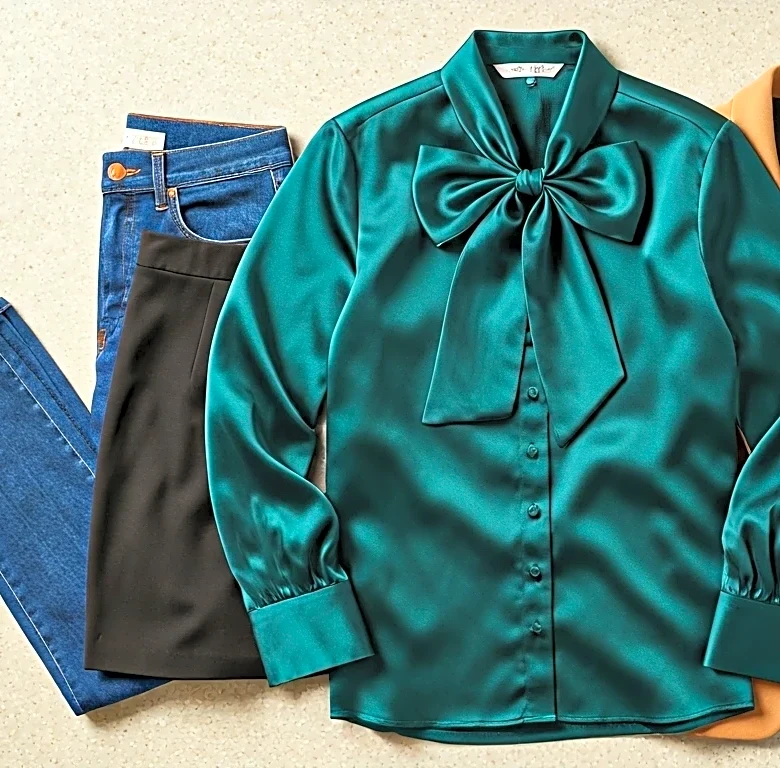
Few items in a modern wardrobe work as hard as the ribbed knit top. Its genius lies in its inherent neutrality. On its own, it’s a simple, unassuming basic. But this simplicity is its superpower, turning it into a blank canvas for almost any style imaginable. Tucked into high-waisted trousers with a blazer, it’s instantly office-appropriate. Paired with worn-in denim jeans, it channels a timeless, all-American cool. Worn under a silk slip dress, it adds a touch of 90s grunge and makes a formal piece feel more grounded for daytime wear. This adaptability extends across seasons and aesthetics. A white ribbed tank is the quintessential summer staple, while a long-sleeved turtleneck version in black or camel becomes an essential layering piece for fall and winter. It can be preppy, minimalist, bohemian, or edgy depending entirely on what it’s paired with. It doesn't scream for attention; it quietly supports every other piece in an outfit, making it the ultimate sartorial team player.
A Century of Enduring Cool
The ribbed top didn’t just appear on store shelves; it has a rich history that adds to its authentic appeal. Its origins lie in utilitarian men's undergarments from the early 20th century, designed for laborers and soldiers who needed thermal layers that allowed for a full range of motion. This association with rugged, functional workwear gave it an air of effortless authenticity from the start. By the 1970s, it had broken free from its utilitarian roots and was adopted by the counter-culture as a simple, body-conscious statement of rebellion. It was the antithesis of fussy, structured fashion. The 1990s cemented its status as a minimalist icon, championed by designers like Calvin Klein and Helmut Lang who prized its clean lines and unpretentious form. When we wear a ribbed top today, we’re tapping into a long lineage of cool—from the factory floor to the fashion runway—that gives it a depth and substance that trendy, fleeting items can never replicate.
How to Spot True Quality
While the ribbed knit is a democratic staple, not all versions are created equal. The difference between a top that lasts a few washes and one that becomes a wardrobe cornerstone comes down to a few key details. First, examine the material blend. Look for high-quality natural fibers like Pima or Supima cotton, which are softer and more durable. A small amount of elastane or modal (around 5%) is a good thing, as it enhances the fabric’s natural recovery and helps it keep its shape over time. Avoid 100% synthetic versions, which can pill easily and lack breathability. Next, check the density of the knit. A well-made top will feel substantial, not flimsy or see-through when stretched slightly. The ribs should be uniform and tightly constructed. Finally, inspect the seams. On a quality garment, the seams along the sides, shoulders, and neckline will be flat, neat, and secure, ensuring the top hangs correctly and withstands repeated wear and washing. Investing in a version with these hallmarks is the difference between buying a trend and owning a classic.