




The Buyer’s Long-Term Bet
When a buyer for a high-end department store or boutique selects a piece, they aren’t just picking something pretty. They're making a calculated bet on value. They think in terms of ‘cost-per-wear,’ a metric that divides an item's price by the number
of times you’ll realistically wear it. A $50 sweater that pills, shrinks, or loses its shape after five wears has a cost-per-wear of $10. A beautifully made $400 Italian cashmere sweater worn 100 times over a decade has a cost-per-wear of just $4. The initial sticker shock fades when you reframe the purchase as a long-term service provider for your wardrobe. Buyers look for pieces that will not only sell this season but will also build a customer’s trust in the store's quality, encouraging them to return. Italian knitwear is a cornerstone of this strategy because it consistently delivers on its promise of longevity and timeless style.
It Begins with the Fiber
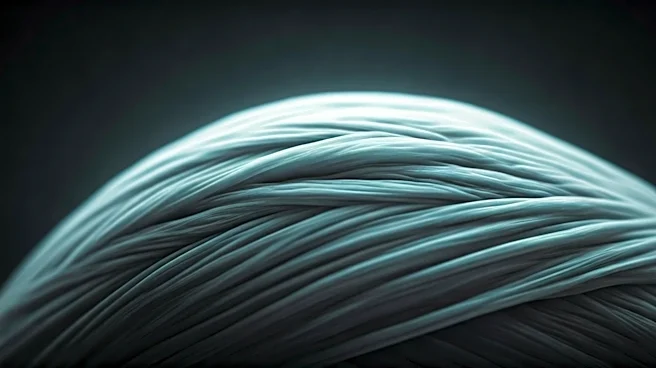
The magic of Italian knitwear isn't just a label; it’s a tangible quality that starts at the molecular level. Italy’s most renowned knitwear regions, like Biella in the north and Umbria, the ‘cashmere valley,’ are home to mills that have perfected the art of sourcing and spinning the world’s finest fibers. They don’t just buy wool; they cultivate relationships with specific farms to get the longest, finest cashmere fibers or the softest extra-fine merino wool. Lesser manufacturers might use shorter, coarser fibers that are more prone to breaking and pilling. Italian spinners, however, create yarns that are exceptionally soft, strong, and resilient. This superior raw material is the non-negotiable first step. It’s why an Italian knit feels different from the moment you touch it—it’s lighter yet warmer, softer yet more durable.
The Art of the ‘Maglificio’
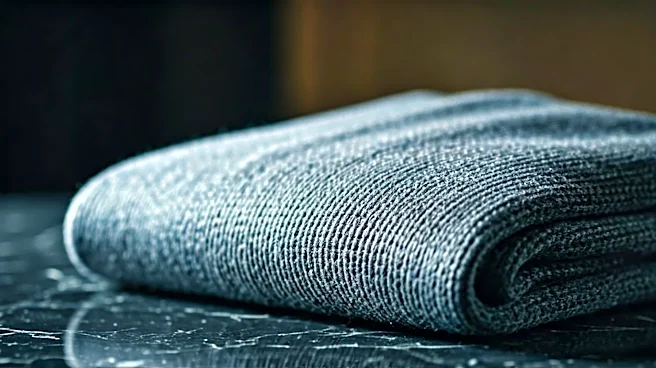
Once the yarn is spun, it goes to a ‘maglificio’—the Italian term for a knitwear workshop or factory. Many are family-run businesses, passing down techniques through generations. This is where craftsmanship separates the exceptional from the merely expensive. Instead of being rapidly cut and sewn like a t-shirt, the different parts of a high-quality sweater—the sleeves, the front, the back—are often fully fashioned, meaning they are knitted into their final shape. Then, they are meticulously linked together by hand, a process that creates a more flexible and durable seam than a machine stitch. Finally, the sweaters are washed in local water, which often has a unique mineral content that helps soften the fibers even further, and then carefully finished. This slow, deliberate process is the opposite of mass production, and it results in a garment that drapes better, holds its shape, and feels like a second skin.
Beyond the Trend Cycle
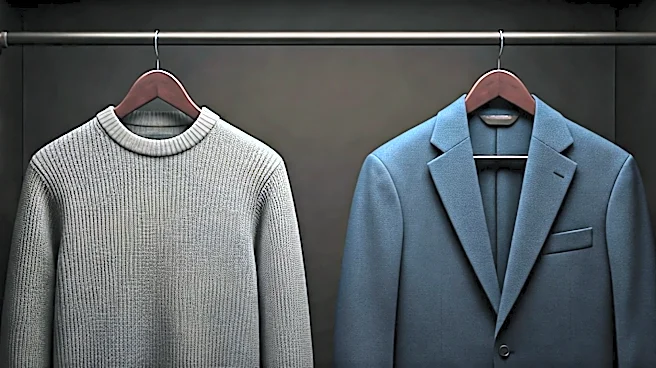
Perhaps the most compelling part of the investment case is the aesthetic staying power. Italian knitwear excels at the classics: the perfect navy crewneck, the elegant camel turtleneck, the versatile gray V-neck. These aren’t items designed to grab attention for a single season. They are quiet, confident staples that form the backbone of a sophisticated wardrobe. A buyer knows that while a loud, trendy item might have a short, bright life on the sales floor, these timeless pieces sell consistently, year after year. By investing in one, you are buying yourself out of the exhausting trend cycle. An Italian knit won't look dated in two years or even ten. It pairs effortlessly with jeans, trousers, or skirts, becoming a reliable friend you reach for again and again, which is the ultimate definition of a successful purchase.