



First, What Is Soft Tailoring?
Before we get into the pairing, let's define the key player. For most of the 2000s and 2010s, the dominant look in men's tailoring was sharp, structured, and severe. Think heavily padded shoulders, stiff chest canvases, and a nipped waist designed to create
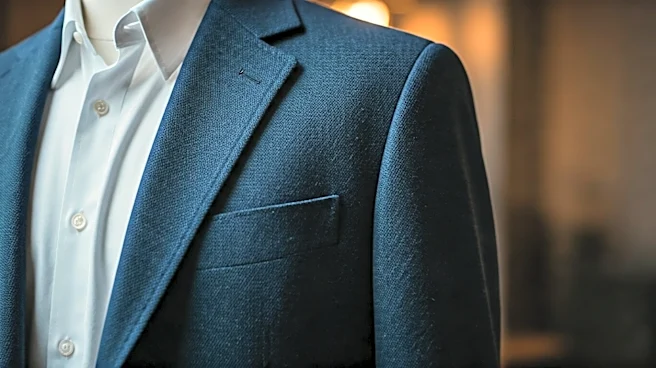
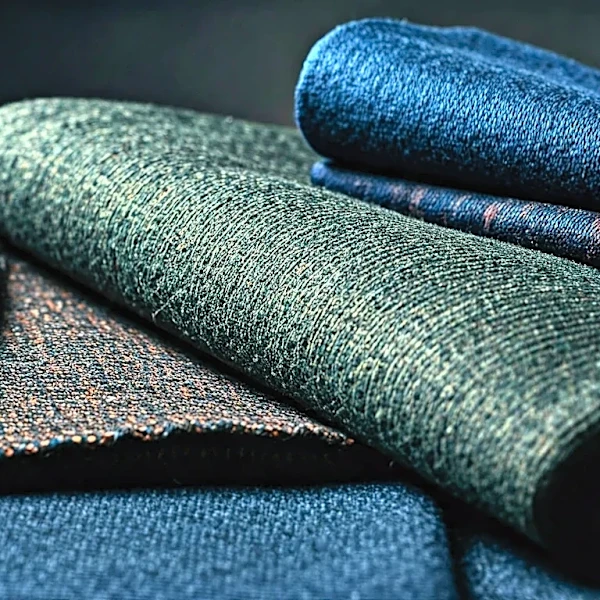
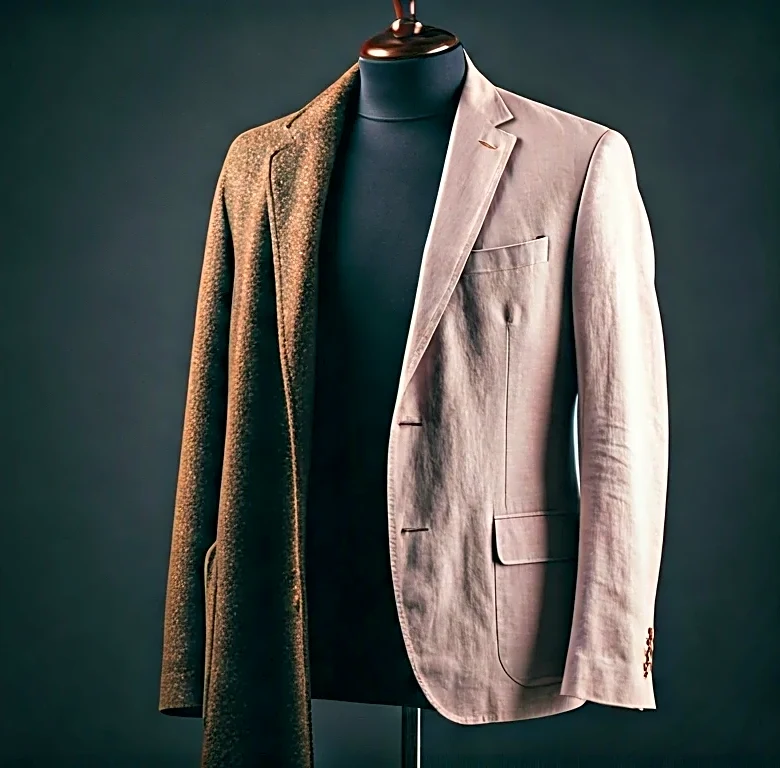
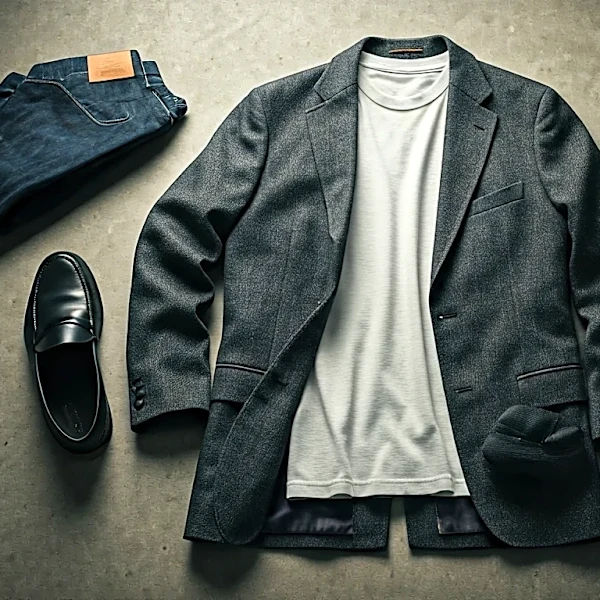
an aggressive V-shape. It was sartorial armor. Soft tailoring is the antithesis of that. It's about deconstruction and comfort. Jackets have little to no shoulder padding, allowing them to follow the natural line of your body. They use lightweight or non-existent canvassing, making them feel more like a heavy shirt than a formal blazer. The fabrics themselves—wrinkly linen, washed cotton, breezy high-twist wool—are chosen for their drape and movement. The goal isn't to impose a shape on the wearer, but to move with them. It’s tailoring that feels less like a uniform and more like a second skin.
The Old Pairing: A Visual Mismatch
So, why doesn't your old reliable slim-fit shirt work with this new silhouette? It comes down to a conflict of intent. That ultra-trim shirt, with its high armholes and darts running down the back, was designed to disappear under a structured jacket. It was meant to be a smooth, taut layer that wouldn't bunch up inside a rigid suit. But when you pair that same restrictive shirt with a soft, unstructured jacket, the harmony is broken. The fluid, flowing fabric of the jacket is suddenly anchored by a stiff, motionless layer underneath. The shirt pulls and strains against the jacket's relaxed lines, creating awkward tension points. It’s like putting brand-new, low-profile performance tires on a vintage convertible; the two components are fighting each other's fundamental nature.
The Power of Proportional Harmony
This is where the fuller shirt enters the picture. We’re not talking about a comically oversized, baggy mess from the '90s. This is about intentional volume. A shirt with a more generous cut through the body and sleeves has room to breathe, move, and drape. When placed under a soft jacket, it works in concert with it. The fabrics flow together. The silhouette becomes a cohesive, elegant whole, rather than two separate pieces at war. A fuller shirt allows for a gentle billow at the waist when you move, or a soft fold at the elbow—details that echo the relaxed nature of the jacket itself. This concept, often called “volume on volume,” is about creating a unified profile that’s comfortable, confident, and visually interesting from every angle. The result is a look that feels both more relaxed and paradoxically, more put-together.
It’s All About Effortless Sprezzatura
The soft-tailoring-and-full-shirt combination is the physical embodiment of *sprezzatura*, the cherished Italian art of studied carelessness. A man in a skin-tight suit and a restrictive shirt looks like he’s trying very hard. His movements are guarded; his comfort is secondary to presenting a perfect, rigid image. Conversely, a man in a breezy linen jacket with a full shirt billowing gently underneath looks utterly at ease. He appears unconcerned with perfection, which is the secret to achieving it. The fuller shirt allows for a casually unbuttoned collar to sit with a perfect roll, or for sleeves to be pushed up the forearm without cutting off circulation. It communicates a sense of confidence that doesn't rely on constriction. This is the look of someone who wears his clothes, rather than letting his clothes wear him.