





The Original Deal That Started It All
When John Carpenter and Debra Hill created 'Halloween' in 1978, it was a low-budget independent shocker. To get it made, they signed a deal with producer Moustapha Akkad that would become legendary. In exchange for crucial financing, Akkad's company,
Compass International Pictures, retained the rights to the franchise name and its characters for any potential sequels. Carpenter, who famously didn't believe a sequel was even a good idea, agreed. This single decision set the stage for the next four decades. It created a unique power dynamic: while Carpenter was the creative father, Akkad became the franchise's legal guardian, holding the keys to Michael Myers' future.
The Akkad Dynasty and Trancas International
Moustapha Akkad, through his production company Trancas International Films, became the one constant in the 'Halloween' universe. While studios came and went, Trancas held the core production and sequel rights. This meant that any studio wanting to make a 'Halloween' movie had to make a deal with Akkad. After Moustapha's tragic death in 2005, his son Malek Akkad stepped in to manage the franchise, continuing his father's work. The Akkads weren't just gatekeepers; they were stewards. They understood the value of the IP and built a business model around licensing it out, ensuring Michael Myers never stayed dormant for too long, even when critical or commercial success waned.
A Franchise for Rent
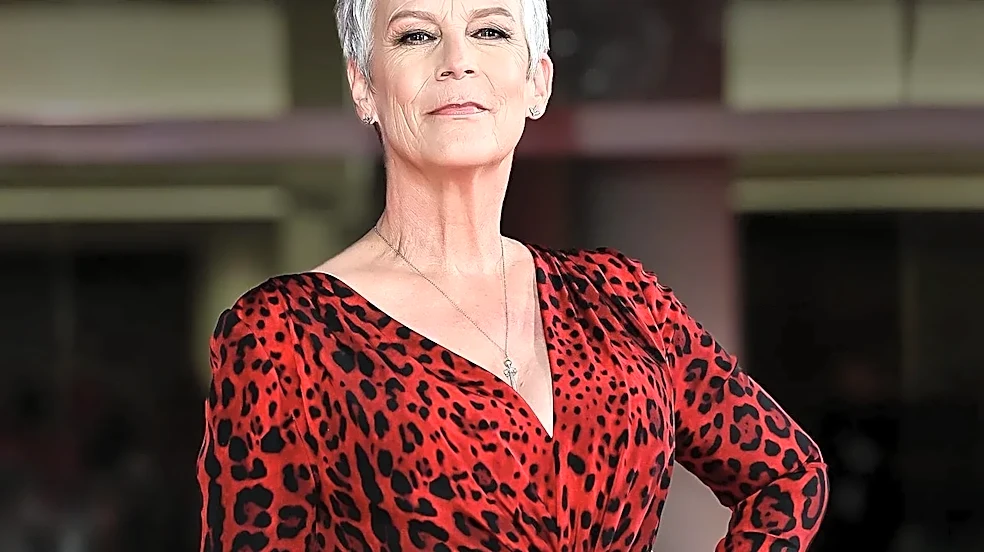
The result of Trancas's ownership was a 'franchise-for-rent' model. In the 1990s and early 2000s, Dimension Films (then a division of Miramax) licensed the rights, producing a string of films from 'Halloween: The Curse of Michael Myers' through 'Halloween: Resurrection'. This era revived the series with 'Halloween H20', which brought back Jamie Lee Curtis, but ended with the widely panned 'Resurrection'. When Dimension's rights eventually expired, it opened the door for another filmmaker to take a shot. Rob Zombie stepped in for two divisive but distinct entries in the late 2000s, again under a licensing deal with Trancas and Dimension. Each time a studio's deal ended, the rights reverted back to Trancas, ready to be shopped to a new creative team.
The Blumhouse Renaissance
After the Zombie films, the franchise went quiet. Then, in a significant shift, the rights landed with Blumhouse Productions and Universal Pictures. This partnership proved uniquely successful. Malek Akkad made a crucial call to John Carpenter, bringing him back as an executive producer, creative consultant, and composer for the first time in decades. This move, combined with the return of Jamie Lee Curtis, lent a new layer of legitimacy. The resulting 2018 film ignored every sequel since the original, a creative reset made possible by the franchise's fragmented history. The Blumhouse trilogy became a massive commercial success, demonstrating that the licensing model could not only sustain the franchise but also enable bold, revisionist storytelling.
The Future Is a Bidding War
Even with the conclusion of the latest trilogy, the licensing machine keeps churning. In 2023, a bidding war erupted for the television rights to 'Halloween'. Miramax emerged as the winner, securing a deal with Trancas to develop a new TV series and potentially build a cinematic universe spanning both film and television. This new chapter proves the enduring strength of the 'Halloween' IP. The fact that companies like A24 were reportedly in the mix shows just how valuable the property remains. The franchise's entire history is a cycle of creation, expiration, and renewal, driven by the core rights held by Trancas.