

A License to Break the Rules
For one night a year, the established rules of a television show can be gleefully thrown out the window. Halloween provides a unique, built-in excuse for writers to break format, genre, and even canon. A typically grounded sitcom can suddenly feature
a full-blown zombie apocalypse, like in Community's beloved "Epidemiology" episode, without viewers batting an eye. Why? Because it’s Halloween. The holiday itself acts as a free pass, allowing for absurd, supernatural, or horror-tinged plots that would feel out of place in any other episode. This gives writers a chance to experiment with anthology-style storytelling, where non-canon scary stories can be told without affecting the main plot, a tradition perfected by The Simpsons' annual "Treehouse of Horror" specials. This freedom allows for a creative reset, injecting a burst of novelty into a long-running series.
The Ultimate Character Study
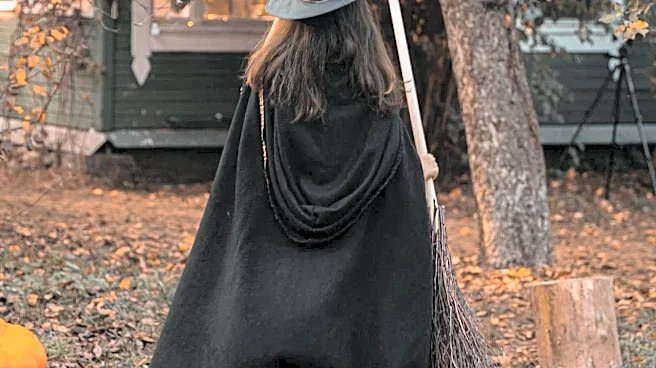
What are your favorite characters truly afraid of? What are their secret selves? Halloween is the perfect excuse to find out. The holiday’s traditions—costumes and confronting fears—provide a natural framework for deep character exploration. A character’s choice of costume can speak volumes, revealing aspirations, insecurities, or a hidden goofy side, as seen in the annual costume gags on The Office. More than just dress-up, these episodes often force characters into situations that expose their core anxieties. A haunted house in a Modern Family episode becomes a stage for Claire’s obsessive need for control, while an episode of Buffy the Vampire Slayer magically turns the cast into their literal costumes, exploring the gap between who they are and who they pretend to be. This makes for richer characters and gives the audience a new layer of appreciation for them.
A Playground for Homage and Parody
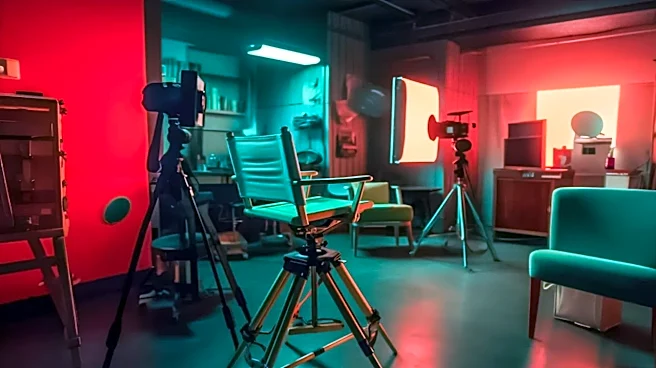
Showrunners and writers are, first and foremost, fans. Halloween episodes offer them a golden opportunity to pay tribute to the horror, sci-fi, and fantasy classics that inspired them. These episodes are often dense with loving references and stylistic imitations. An episode of That '70s Show becomes a 30-minute homage to Alfred Hitchcock, complete with nods to Psycho and The Birds. Stranger Things used its Halloween episode to drench itself in 1980s nostalgia, dressing the main characters as the Ghostbusters. This isn't just about dropping a few Easter eggs; it allows the entire creative team—from directors to cinematographers to set designers—to play in a different sandbox. They can experiment with spooky lighting, suspenseful camera angles, and a completely different tone, flexing creative muscles that the show's normal format doesn't allow.
The Perfect Standalone Story
In an era of complex, serialized television, the Halloween special often serves as a welcoming, standalone installment. While it might contain character moments that reward loyal fans, the central plot is usually self-contained. You don’t need to know the intricate backstory of Brooklyn Nine-Nine's season-long arcs to enjoy the sheer chaos and brilliant plotting of one of their annual Halloween Heist episodes. These episodes are designed to be fun, accessible, and memorable on their own terms. This makes them a great entry point for new viewers and a refreshing, low-stakes treat for longtime fans who just want to see their favorite characters have a bit of spooky fun without worrying about the season's overarching drama. They are, in essence, a perfect, bite-sized piece of television.