


The Thrill of the Physical Hunt
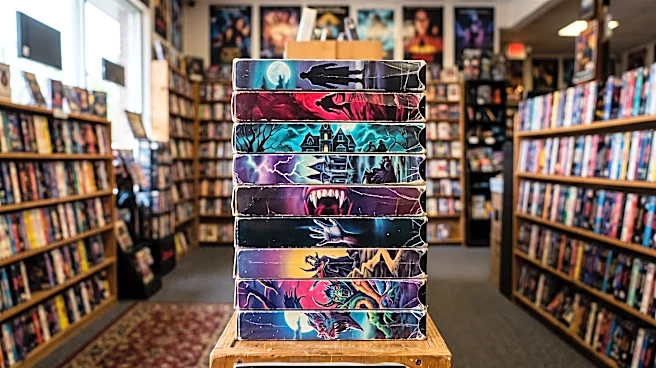
Before algorithms served up endless, personalized suggestions, movie night was an active pursuit. The experience began with a trip, a destination. Walking into a Blockbuster or a mom-and-pop rental shop was a sensory experience—the blue-and-yellow branding,
the slightly worn carpets, and, most importantly, the aisles. You didn't scroll; you browsed. You could hold the movie in your hand, turning over the hefty VHS box to read the synopsis and study the curated screenshots. This tangible connection to media created a sense of ownership, even if just for a few nights. The act of choosing was a deliberate, almost ceremonial process. It wasn't about finding something perfect in a sea of infinity, but about finding the best available treasure on the shelf. That scarcity made the reward feel earned and the movie itself feel more special.
A Shared Canon of Cozy Scares
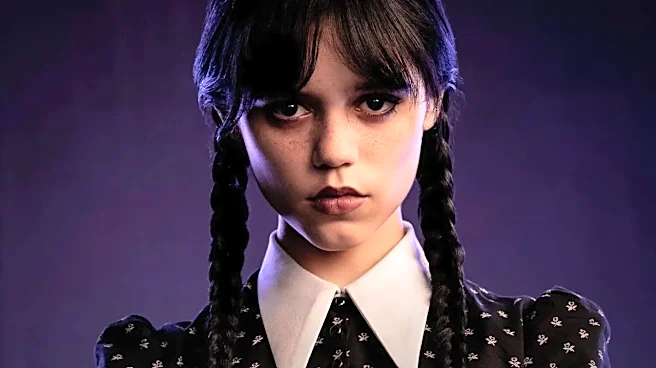
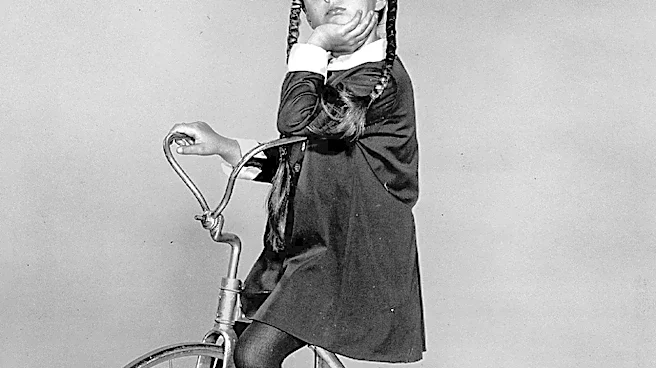
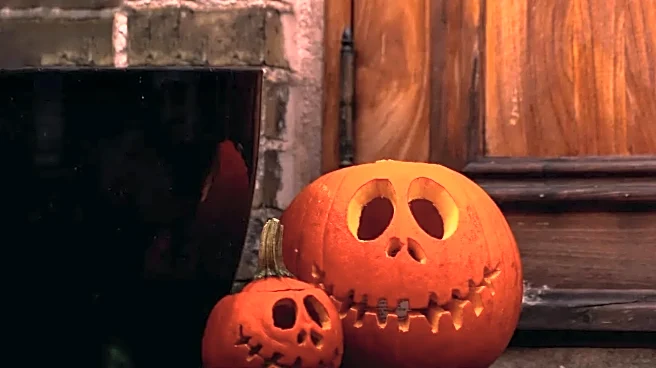
The limited selection on video store shelves had an unintended, powerful side effect: it created a shared cultural language. Every October, the 'New Releases' wall would make way for a curated 'Halloween' section. There, you'd reliably find the same familiar faces: the quirky charm of 'The Addams Family,' the witchy fun of 'Hocus Pocus,' the friendly ghost antics of 'Casper,' and the stop-motion magic of 'The Nightmare Before Christmas.' Because everyone was choosing from a similar pool, these movies became seasonal staples. Watching them wasn't just a personal choice; it was a communal ritual. This wasn't the atomized experience of everyone streaming something different, but a collective return to a handful of beloved classics that defined the season for a generation.
Gateway Horror and Low-Stakes Frights
Many of the most enduring 90s Halloween films occupy a perfect middle ground: spooky but not traumatizing. They were 'gateway horror,' offering a taste of the macabre without the nightmares. Think of the bumbling Sanderson sisters, the gothic but gentle 'Edward Scissorhands,' or the campy adventure of 'Halloweentown.' These films were perfect for a family movie night, allowing kids to feel brave and edgy while parents felt secure. This tonal sweet spot is a huge component of the nostalgia. It's a longing for a time when scares felt manageable and fun, a cozy feeling of being safely spooked that is harder to find in today's more polarized landscape of either intense horror or pure children's animation.
An Antidote to the Endless Scroll
Psychologically, nostalgia often serves as a comfort during times of stress, connecting us to periods we remember as simpler or more meaningful. The video store era represents a pre-digital, 'analog' world that many now romanticize. The Friday night rental was a planned event, a finite experience with a clear beginning (renting) and end (returning the tape, hopefully rewound). Today's streaming landscape, by contrast, is a paradox of choice—an infinite library that can feel more like a chore to navigate than a treat. The nostalgia for the video store isn't just about the movies themselves; it's a longing for a time when our entertainment choices felt more intentional, tangible, and communal, before the algorithm took over and movie night became just another scroll.