




In 1982, audiences flocked to see 'Halloween III' and were met with a shocking twist: no Michael Myers. The Shape was gone, replaced by Celtic curses and killer masks. So what was the big idea, and how did this daring experiment actually perform?
The Anthology Gamble
After
killing Michael Myers (for the first time) at the end of 'Halloween II' in 1981, creators John Carpenter and Debra Hill were done with the Haddonfield slasher. They believed the story was complete. However, the franchise name was too valuable to abandon. Their solution was a bold one: turn 'Halloween' into an anthology series, with each new film telling a completely different, self-contained story centered on the holiday. 'Halloween III: Season of the Witch' was meant to be the first of many, a way to explore the broader, ancient fears of Halloween beyond a single masked killer. Carpenter and Hill agreed to produce, but only if Michael Myers stayed out of it.
A New Kind of Evil: Robots and Stonehenge
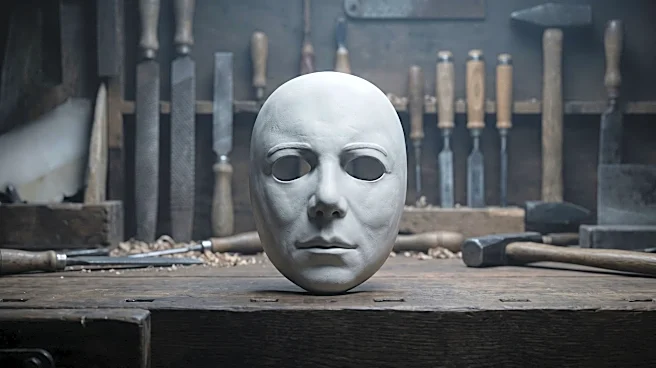
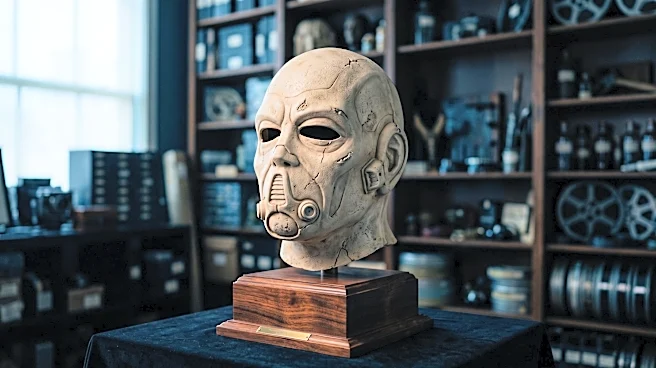
Directed by Tommy Lee Wallace, who had worked on the original film, 'Season of the Witch' pivoted from the slasher genre entirely. The plot followed Dr. Dan Challis (Tom Atkins) as he uncovers a sinister plot by Conal Cochran, the head of the Silver Shamrock novelty company. Cochran's plan involved selling millions of popular Halloween masks embedded with a microchip containing a fragment of Stonehenge. When a hypnotic TV signal aired on Halloween night, the masks would activate, killing the children wearing them in a mass pagan sacrifice. It was a high-concept blend of science fiction, corporate conspiracy, and ancient witchcraft—a far cry from the simple, terrifying presence of The Shape.
The Box Office Reality
The title 'Halloween III' set an expectation that the film itself refused to meet. Audiences arrived expecting to see Michael Myers and felt betrayed when he never appeared, save for a brief clip of the original 'Halloween' playing on a TV screen in one scene. The box office numbers reflected this confusion and disappointment. While 'Halloween II' (1981) had grossed a healthy $25.5 million on a $2.5 million budget, 'Season of the Witch' brought in a much lower $14.4 million on a similar budget. While it still turned a profit, it was the worst-performing film in the series at the time and was vastly out-earned by other 1982 horror releases like 'Poltergeist' and 'Friday the 13th Part III'. The experiment, from a commercial standpoint, was deemed a failure.
A Legacy Reborn
Initial reviews were largely negative, with critics like Roger Ebert calling the plot a 'hopelessly jumbled mess'. The audience backlash was even stronger, and the disappointing financial returns prompted the studio to abandon the anthology concept immediately. For the next installment, 'Halloween 4' (1988), Michael Myers was brought back, and the franchise returned to its slasher roots. For years, 'Season of the Witch' was seen as the black sheep of the family. But over the decades, a funny thing happened. The very things that made it a failure in 1982—its unique story, its weirdness, its ambition—became the foundation of its cult following. Fans now celebrate it for being a bold, standalone '80s horror film with a killer synth score by Carpenter and a memorable, nihilistic ending.