



A Curator in the Content Tsunami
Remember when you only had a few dozen channels? Now, you have a seemingly infinite library of content across Netflix, Apple TV+, HBO Max, and more. This is the central problem of the streaming era: endless choice often leads to decision paralysis. This is where
the Emmys step in. An Emmy nomination, let alone a win, serves as a powerful signal through the noise. It’s a curated list of what the industry itself deems the best of the best. For viewers drowning in options, the Emmys offer a much-needed guide, pointing them toward shows like the much-nominated “Hacks” or the breakout hit “Widow’s Bay” that are worth their time and subscription dollars. It transforms a vague desire to “watch something good” into a concrete, vetted recommendation.
The Industry’s Internal Scoreboard
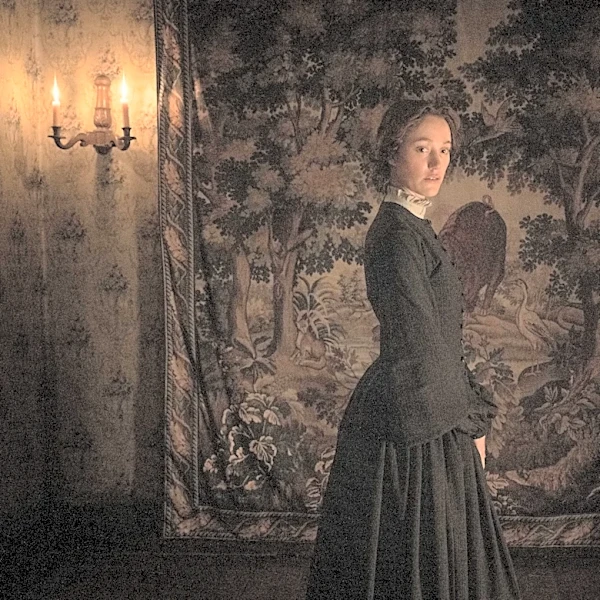
While the public sees a glittering awards show, the industry sees a high-stakes career accelerator. An Emmy win is a powerful currency inside Hollywood. For actors, writers, and directors, it translates to better offers, bigger paychecks, and more creative freedom. For a streaming service, racking up nominations and wins is a direct investment in its brand. Just look at the 2026 landscape, where HBO and Apple TV+ are in a fierce battle for prestige. An Apple TV+ show like “Widow’s Bay” dominating at the Creative Arts Emmys isn't just a win for the series; it’s a validation of the platform’s entire content strategy. These awards help platforms attract and retain top-tier talent, which in turn leads to more high-quality shows. It's a self-perpetuating cycle of prestige that is invisible to most viewers but fundamental to how modern television gets made.
Redefining the 'Water Cooler' Moment
Critics are quick to point out that Emmy viewership has plummeted from its peak. The 78th Emmy Awards will even be broadcast simultaneously on NBC and Peacock, a clear nod to changing habits. But judging the Emmys by live broadcast ratings alone misses the point. The cultural conversation is no longer confined to the office the next morning. It now unfolds across social media platforms like TikTok, Instagram, and X (formerly Twitter) for days and weeks. Viral acceptance speeches, red carpet looks, and shocking snubs generate millions of impressions, creating a distributed, digital “water cooler” moment that extends far beyond the three-hour telecast. The show itself may be less of a monocultural event, but its ability to spark a global conversation about television remains potent.
A Battle for Brand Identity
In the streaming wars, the Emmys are a key battleground. Services aren't just selling content; they're selling an identity. HBO has long been synonymous with “prestige television.” Now, newer players like Apple TV+ and Netflix are using Emmy wins to build their own reputations. When a platform can market a show as an “Emmy-winning series,” it serves as a powerful justification for its subscription fee. It tells potential customers that this service is a home for quality, not just quantity. The Television Academy itself seems to recognize this evolving landscape, introducing a new “Legacy Award” in 2026 to honor shows with lasting cultural impact, a clear move to cement the idea of television as a vital art form. The fight for statuettes is a proxy war for which streamer will be seen as the definitive home for excellence.