





The Obvious Villain: Gridlock and Glow Sticks
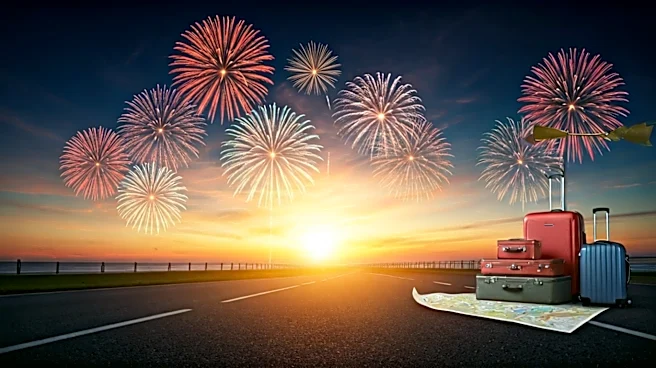
Let’s get the easy answer out of the way first: traffic. It’s the universal pain point of every major public event. For Fourth of July fireworks, it’s a special kind of torment. You spend an hour finding a parking spot a mile away, another hour defending
your small patch of grass, and then, after a 20-minute display, you face the automotive apocalypse. Police direct seas of cars into inexplicable patterns, and the journey home can take longer than the entire evening's excursion. This logistical nightmare is a powerful deterrent. Add in the cost of gas, the hassle of packing snacks and chairs, and the general stress of navigating huge crowds, and the decision to stay home starts to look less like giving up and more like a genius strategic move. It’s a predictable headache, and for many, the brief spectacle of colorful explosions simply isn't worth the guaranteed frustration.
The Real Reason: The Kingdom of the Couch
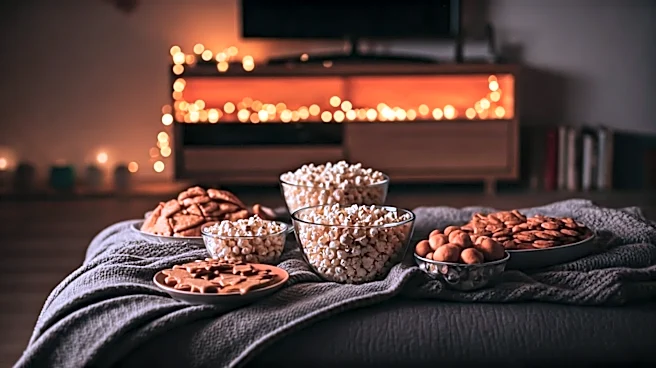
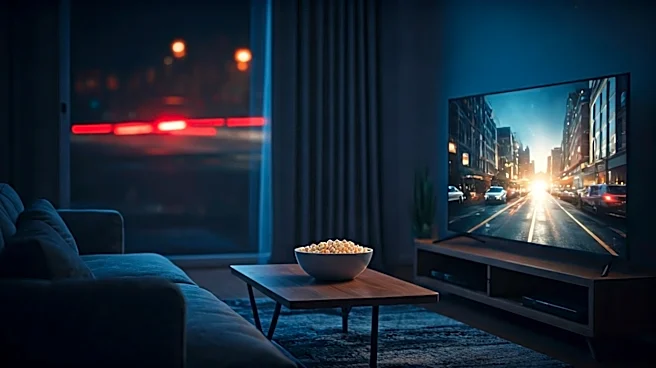
But traffic is just the symptom. The most relatable reason for skipping the public display isn’t just about avoiding a negative; it’s about embracing a profound positive: the unparalleled comfort and control of your own home. Psychologically, holidays can be draining, packed with unrealistic expectations and social obligations. Opting out of the public chaos is an act of self-care. It’s choosing a controlled environment where the bathroom is clean, the snacks are exactly what you want, and the temperature is perfect. You aren't jostling for a view or worrying about a stray sparkler. Instead, you're curating a sanctuary. This choice is a quiet rebellion against the pressure to perform “holiday fun” in a prescribed way. It's an acknowledgment that true relaxation comes not from participating in every tradition, but from protecting your own peace and well-being.
Curating Your Own Blockbuster Experience
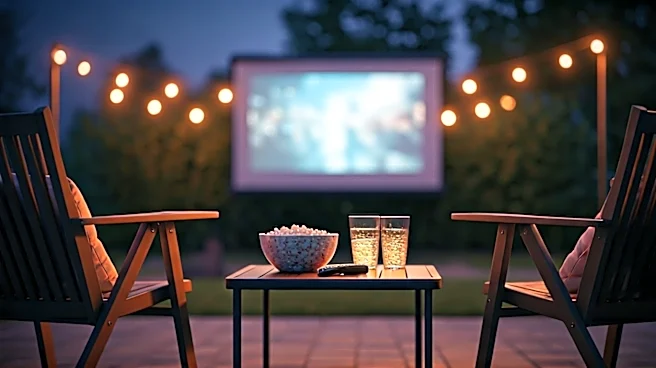
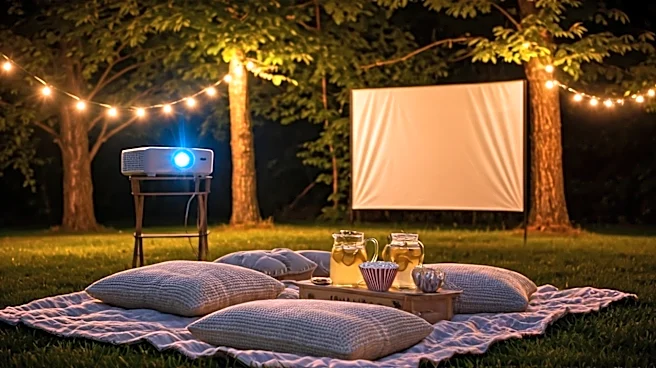
This is where movies truly shine. A fireworks display is a fleeting, passive experience. It’s beautiful, but it’s over quickly, and the quality can vary. A movie, on the other hand, is a guaranteed two-hour emotional journey. You are the master programmer. Feeling nostalgic? Fire up a classic summer blockbuster. Need a laugh? Stream the latest comedy. Want to introduce your kids to a film you loved? The floor is yours. This level of curation provides a reliable payoff that a public event can't match. You’re not just avoiding traffic; you’re choosing a specific, tailored form of happiness. You're creating your own private film festival, complete with intermission for ice cream and the ability to pause for a heartfelt conversation. In a world of endless variables, a great film is a dependable source of joy, story, and connection.
Redefining a ‘Shared’ Experience
But what about the sense of community, the shared awe of watching the sky light up with thousands of strangers? It’s a valid point. However, the modern definition of a shared experience is evolving. Choosing a movie night at home isn’t an anti-social act; it’s a pro-intimacy one. Instead of sharing a moment with a faceless crowd, you're sharing it deeply with a few chosen people—your family, your partner, your closest friends. The laughter, the gasps, the post-movie debrief… these create strong, lasting bonds. It’s a shift from a broad, shallow connection with a crowd to a narrow, deep connection with your inner circle. It acknowledges that the most meaningful holiday moments often happen not in a public park, but in the quiet comfort of a living room, where the focus is on each other, not just the sky.