





The Conversational Co-Host Show
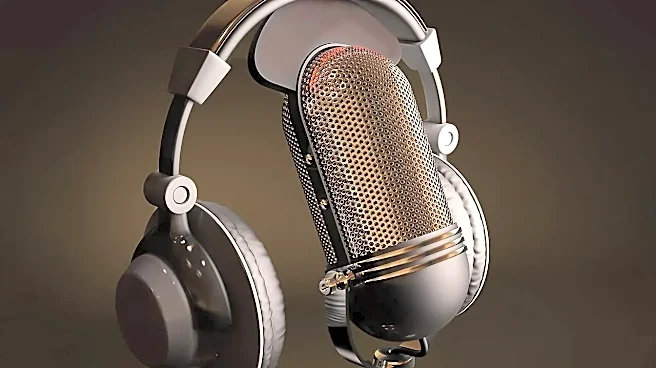
This is the original podcast format: two or more people, a microphone, and a topic they love. Think of shows like "Giggly Squad," which took home Podcast of the Year at the 2026 iHeartPodcast Awards, or the long-running comedy chat of "My Favorite Murder."
The appeal is pure chemistry. It’s not about slick production; it’s about the listener feeling like they’re sitting in on a conversation with friends. In an age of scripted content, the unscripted, spontaneous nature of a great co-hosted show feels refreshingly real. It’s a format built on personality and rapport, proving that engaging conversation is still king. The low barrier to entry means anyone can start one, but true success hinges on the intangible magic between the hosts.
The Solo Host Monologue
One person, one microphone, one point of view. The solo host format is one of the simplest yet hardest to pull off. There are no guests to lean on or co-hosts to share the load. It lives and dies by the host's ability to command an audience's attention entirely on their own. Yet, this format fosters a unique intimacy. Shows like Dan Carlin's "Hardcore History" or Bill Burr's "Monday Morning Podcast" create a deep, one-on-one connection with the listener. The host speaks directly to you, creating a powerful sense of authority and personal connection. This format works because it offers a pure, unfiltered perspective, making listeners feel like they're getting insights from a trusted expert or confidant.
The Classic Interview
Before podcasts were dominated by sprawling narratives, the interview was a cornerstone of the medium. While it has evolved, the core concept remains one of the most popular formats. Shows like "WTF with Marc Maron" or "The Tim Ferriss Show" demonstrate its enduring power. Unlike celebrity-filled panel shows, the classic one-on-one interview allows for deep, nuanced conversation. A skilled host can guide the discussion beyond talking points, revealing surprising insights about the guest. Its success lies in its simplicity and potential for depth. Every episode offers a fresh perspective through a new guest, keeping the content interesting and giving listeners a reason to return week after week.
Why These Formats Endure
The common thread among these throwback formats is authenticity. In what's been dubbed the "iHeartPodcast Awards Era," where production value is high and celebrity names are common, these simpler styles offer a compelling alternative. They provide a sense of connection and community that can sometimes get lost in more produced shows. Listeners tune in not for the sound design or scripted drama, but for the genuine human element—the chemistry, the singular voice, or the probing conversation. They prove that while the industry evolves with multi-million dollar deals and splashy award shows, the fundamental appeal of podcasting remains the same: a direct, intimate connection between the host and the listener.