






Your Hands Have a Skin Type, Too
We spend countless hours and dollars determining if the skin on our face is oily, dry, or sensitive, but we often forget the skin on our hands needs the same consideration. The skin here is biologically different—thinner on the back, thicker on the palms—and
it’s your primary tool for interacting with the world. This constant exposure to water, soap, sun, and friction means your hands have their own unique needs that can’t be met with a one-size-fits-all approach. Your genetics, age, and hormones all play a role in determining your skin's baseline, whether it naturally produces more or less oil. Understanding your hand's specific skin type is the first step toward finding a routine that actually works.
For Dry, Cracked, or Mature Skin
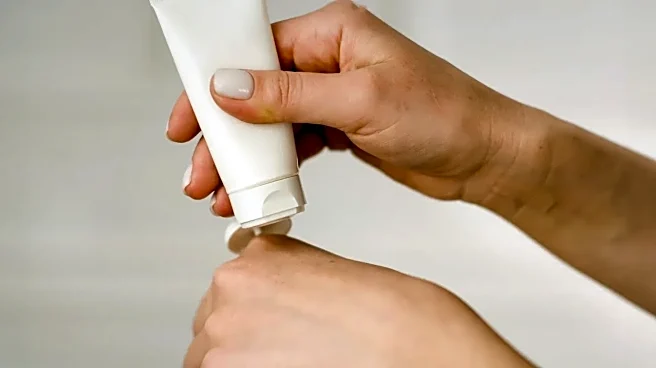
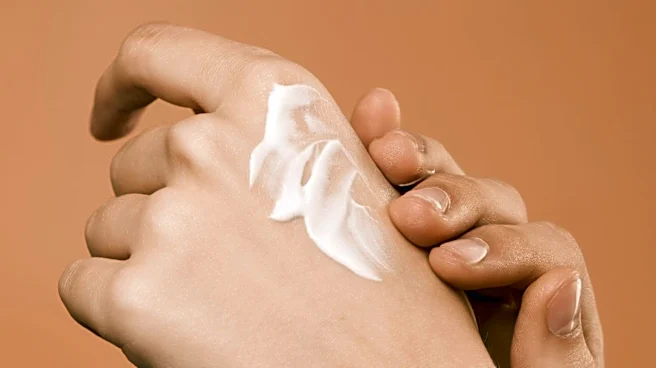
If your hands often feel tight, rough, or show fine, papery lines, you likely have a dry skin type. This condition is often worsened by frequent washing, sanitizers, and cold, dry air. Your goal is to replenish moisture and lock it in. Look for creams and ointments with a combination of humectants, which draw moisture into the skin, and emollients or occlusives, which form a protective barrier. Key ingredients to seek out include hyaluronic acid, glycerin, ceramides, shea butter, and petrolatum. For an intensive treatment, apply a thick layer of a rich cream at night and wear cotton gloves to bed. This traps the moisture and allows the ingredients to deeply penetrate while you sleep.
For Oily or Blemish-Prone Skin
While less common than dryness, some people do experience oily skin on their hands, which can sometimes lead to clogged pores or blemishes. If your hands feel greasy shortly after washing or you notice shine, this is likely your type. Heavy, occlusive creams will only make the situation worse, leaving an uncomfortable, slick residue. Instead, opt for lightweight, fast-absorbing, and non-comedogenic lotions. Gel-based or water-based formulas with ingredients like aloe vera or a light touch of hyaluronic acid can provide hydration without adding excess oil. Gentle exfoliation once or twice a week can also help manage oil and keep pores clear, but avoid harsh scrubs.
For Sensitive and Reactive Skin
Redness, itching, stinging, or rashes are classic signs of sensitive skin. This type reacts easily to environmental triggers and common ingredients. Hand dermatitis or eczema can also fall into this category, often triggered by irritants like harsh soaps, cleaning chemicals, or even water itself. The key to managing sensitive hands is to be gentle and protective. Choose products that are fragrance-free, dye-free, and hypoallergenic. Ingredients like colloidal oatmeal can soothe itchiness, while barrier-repairing ceramides help strengthen the skin's defenses. Always wear gloves when doing household chores or gardening to protect your hands from potential irritants.
Lifestyle and Environment Matter, Too
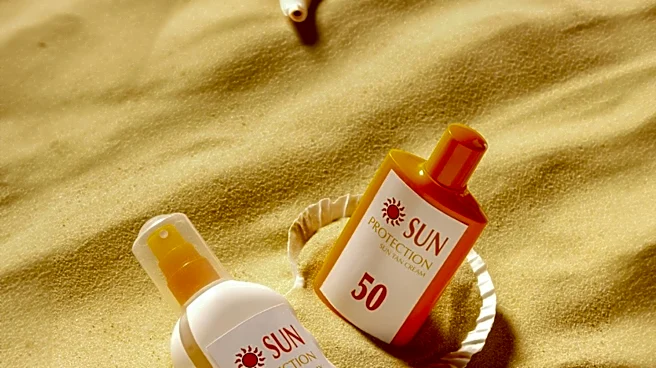
Beyond your inherent skin type, your daily habits and environment have a massive impact on your hands' health. Occupations that require frequent hand washing, exposure to chemicals, or repetitive friction can break down the skin's protective barrier regardless of your skin type. Similarly, living in a dry, cold climate will require more intensive moisturizing than living in a humid one. Sun exposure is another major factor, leading to premature aging, dark spots, and loss of elasticity on the back of the hands. A truly effective routine accounts for these external factors by incorporating consistent moisturizing after every wash and applying a broad-spectrum sunscreen daily.