


More Than Just a Memory
You can hear a throwback song in your car and feel a pleasant pang of nostalgia. But hearing it at Austin City Limits, surrounded by tens of thousands of people, is a different experience entirely. It’s a full-body event. Neuroscientists and psychologists
have a good handle on why music is such a potent trigger for memory. Our brains are wired to link melody with emotion and experience, with the auditory network directly connecting to the parts of our brain that handle long-term memory and feelings, like the hippocampus and limbic system. A song doesn’t just remind you of the past; it can emotionally transport you there. But the festival environment adds a powerful multiplier to this effect. It’s the difference between remembering a great meal and being served it again, but this time at a massive banquet where everyone loves the same dish.
The Science of a Shared Vibe
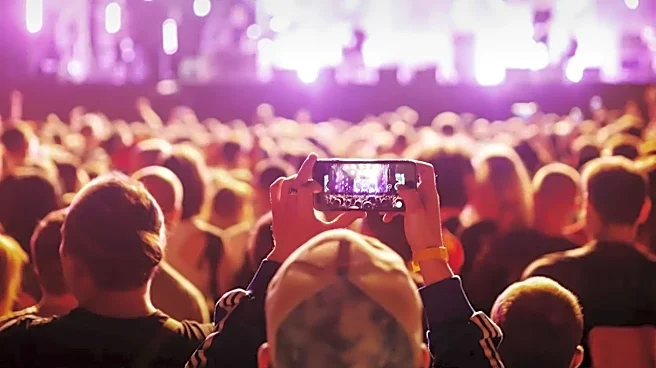
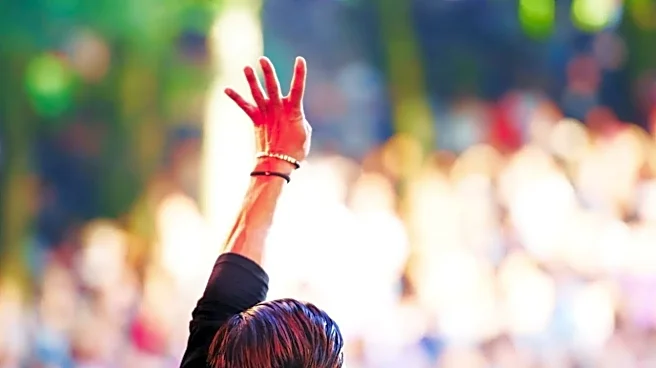
Sociologists have a term for the electric energy you feel when a crowd moves and sings as one: 'collective effervescence'. Coined over a century ago by Émile Durkheim, it describes a moment when a group shares the same focus and emotion, creating a feeling of intense unity and connection. At a festival, this happens constantly. When a headliner launches into a beloved anthem, thousands of individual experiences converge. Everyone sings along, not just to the band, but with each other. This shared action triggers a release of hormones like oxytocin, often called the 'social bonding' hormone, reinforcing a feeling of belonging. You feel connected not just to your own past, but to the strangers next to you, who are all tapping into their own histories at the exact same moment. It’s a powerful, unifying force that makes your personal nostalgia feel validated and amplified by the group.
A Full-Body Sensory Attack
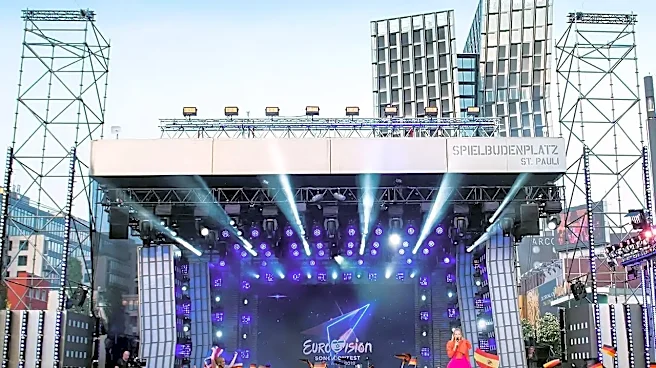
A festival is a planned assault on the senses, and that’s a key part of its magic. Your brain isn’t just processing the sound of the music; it's encoding a rich tapestry of sensory data. Think about it: there’s the physical thump of the bass in your chest, the sight of the elaborate stage lights cutting through the hazy Texas evening, the smell of food trucks, and the feeling of being pressed in a moving, dancing crowd. According to cognitive psychologists, the more sensory input an experience has, the more deeply it gets encoded into our memory. Your brain doesn't just file the song away; it files away the entire scene. Years later, hearing that song might not just bring back the melody, but a flash of the visual, the feeling of the energy, and maybe even a phantom whiff of tacos. This multisensory immersion is what makes the memory so vivid and potent.
Telling a New Story About an Old You
Ultimately, the power of festival nostalgia lies in its ability to connect your past and present selves in a communal setting. Singing along to a song from your teenage years isn’t just about remembering who you were; it’s about celebrating the fact that you survived and evolved. Doing it alongside thousands of others—from older fans who’ve loved the band for decades to younger ones discovering them for the first time—places your personal story within a larger cultural timeline. This experience can increase feelings of self-esteem and optimism. The music confirms that your past is still a part of you, but the shared joy of the crowd grounds you firmly in the present, creating a brand new, powerful memory of that old feeling. It’s emotional time travel, but with a better sound system and thousands of your closest friends you haven’t met yet.