
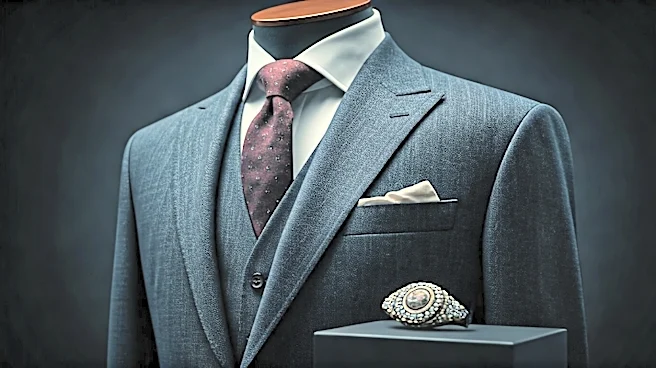


The Anatomy of an Investment Piece
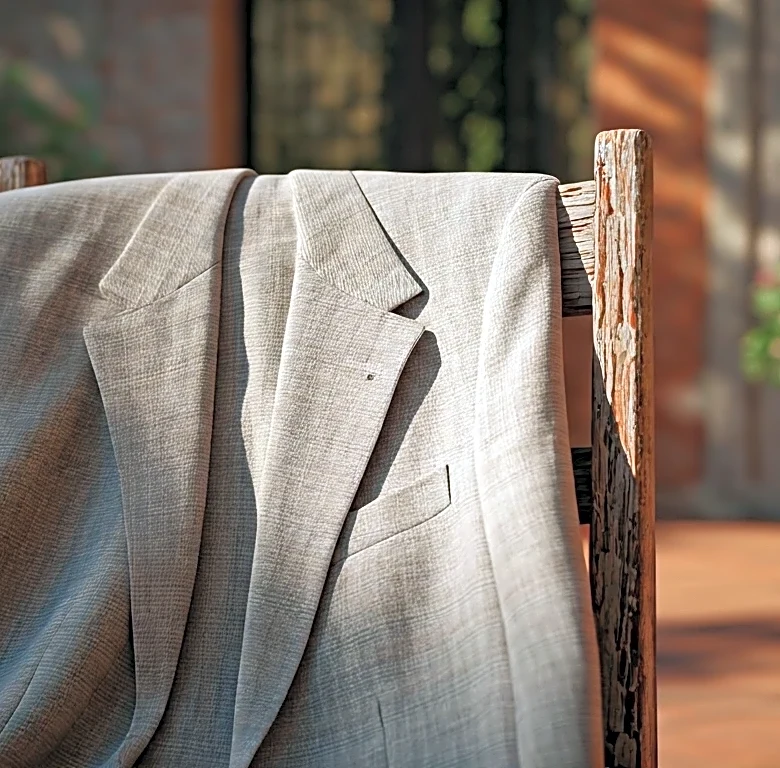
When you hear “Pitti Uomo,” you might picture impeccably dressed Italian men—the so-called “Pitti Peacocks”—in stunning tailoring. But look past the spectacle and you’ll find the real story: craftsmanship. The ‘investment piece,’ whether it’s a soft-shouldered
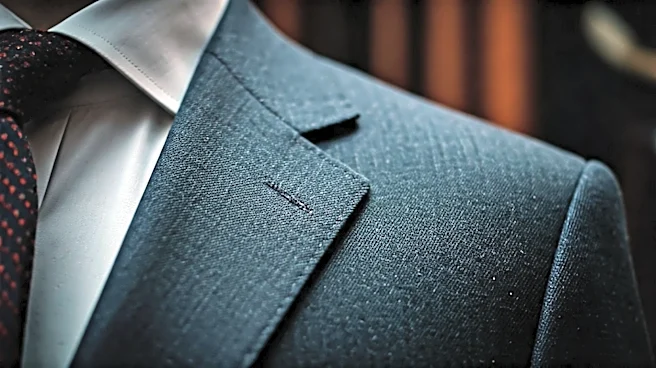
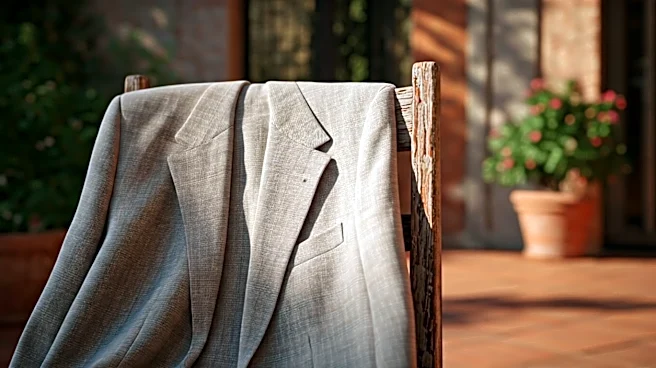
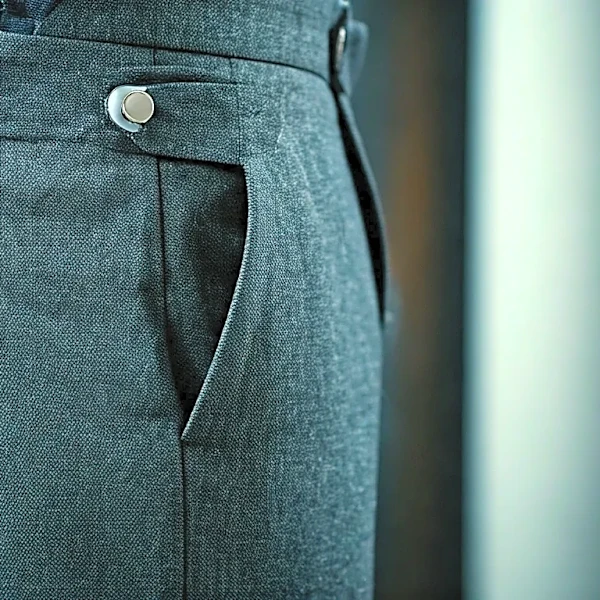
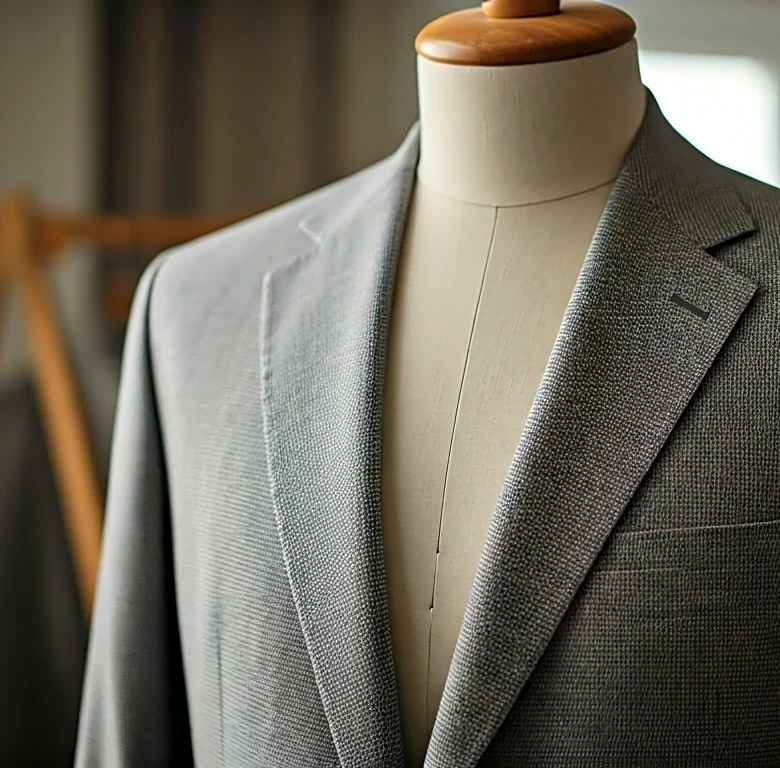
Neapolitan jacket, a pair of full-cut trousers, or a heavy-gauge knit, is defined by its substance. We’re talking about high-twist wools that resist wrinkles, full-canvas construction that allows a suit jacket to mold to your body over time, and hand-sewn details that provide durability and character. These garments are designed not for a single season, but for a decade or more. The philosophy is simple: buy something exceptional and wear it for a lifetime. This isn't about luxury for its own sake; it’s about appreciating materials and construction that are built to last, to soften, and to become uniquely yours with every wear.
The Short, Sad Life of a Trend Suit
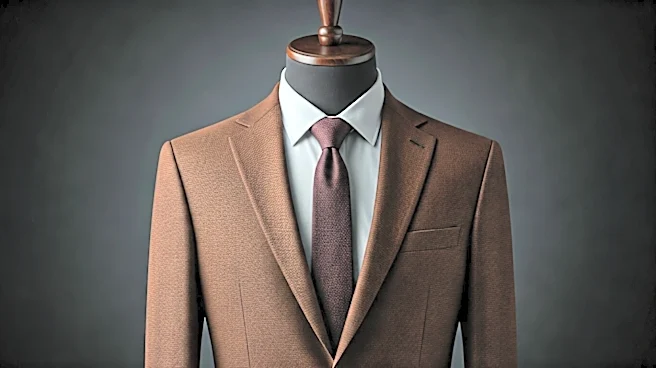
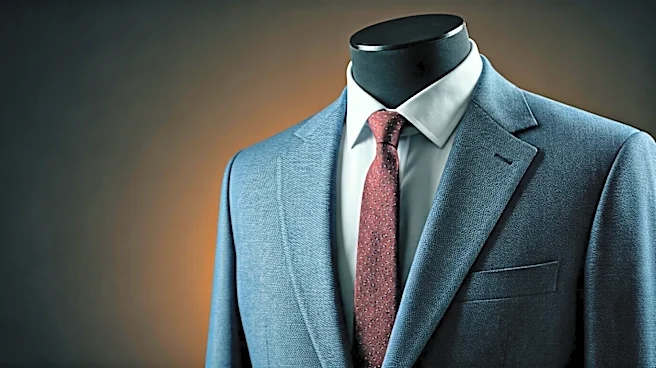
Now, consider its foil: the trend suit. You know the one. It’s hanging on the rack at a fast-fashion retailer, maybe in an aggressively slim cut or a color-of-the-moment like sage green or dusty rose. It costs a fraction of a Pitti-level garment, and for good reason. It’s likely made of a polyester-viscose blend that will pill and shine after a few wears and a trip to the dry cleaner. The jacket is probably “fused,” meaning the layers are glued together, creating a stiff, lifeless drape that is prone to bubbling. This suit was never meant to be a long-term relationship. It was designed to capture a fleeting runway look, manufactured at lightning speed to be sold for a handful of occasions before it looks tired, dated, or simply falls apart. It’s a piece of clothing designed for the Instagram grid, not for your actual life.
Doing the Math: Cost-Per-Wear
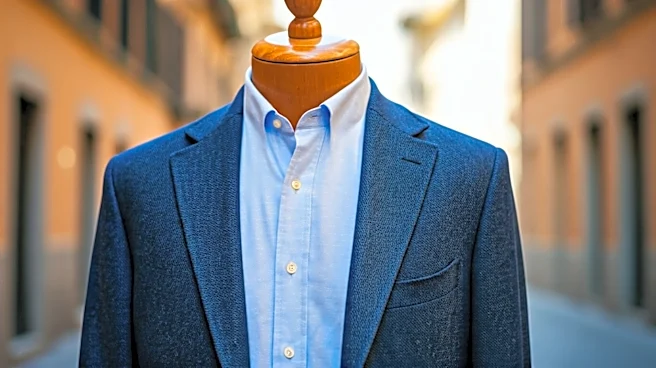
Here’s where the “works harder” part comes in, and it’s a matter of simple arithmetic. Let’s say the trendy suit costs $250. You wear it three times to specific events before the lapels start to look dated and the fabric loses its shape. Your cost-per-wear is over $80. Now, consider a classic, well-made navy blazer that costs $1,500. The price seems astronomical in comparison. But you wear it twice a month, every month, for five years. You wear it with grey trousers to the office, with jeans on a date, and with chinos to a family brunch. After 120 wears, its cost-per-wear is just $12.50—and it’s probably just starting to look its best. The investment piece works harder because its value isn’t just in its initial purchase, but in its longevity and versatility. It earns its keep every time you put it on.
The Unbeatable ROI of Versatility
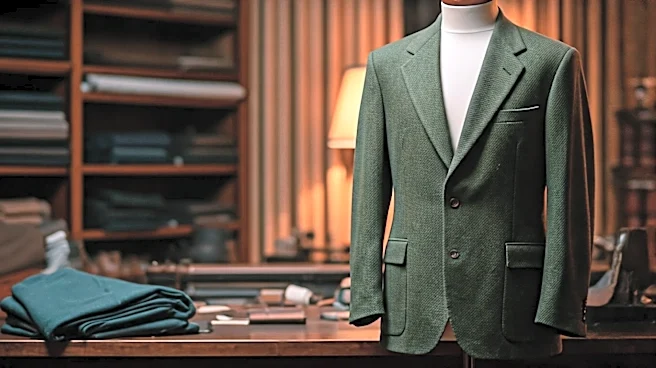
Beyond the numbers, the investment piece delivers a return on style that the trend suit can’t touch. A classic sport coat in a neutral color is a wardrobe multiplier. It makes a t-shirt and jeans look deliberate. It can stand in for a suit jacket in a pinch. It travels well and looks good even when a little rumpled—a quality the Italians call *sprezzatura*, or studied nonchalance. In contrast, the trend suit is a one-trick pony. The bold pattern or extreme cut makes it memorable for the wrong reasons, limiting how often you can wear it without feeling self-conscious. It can’t be easily broken up into separates, and it shouts “I bought this in the spring of 2024.” A true investment piece whispers. It doesn’t wear you; you wear it. This quiet confidence allows you to build a cohesive wardrobe where pieces work together, rather than a collection of disparate trends that fight for attention.